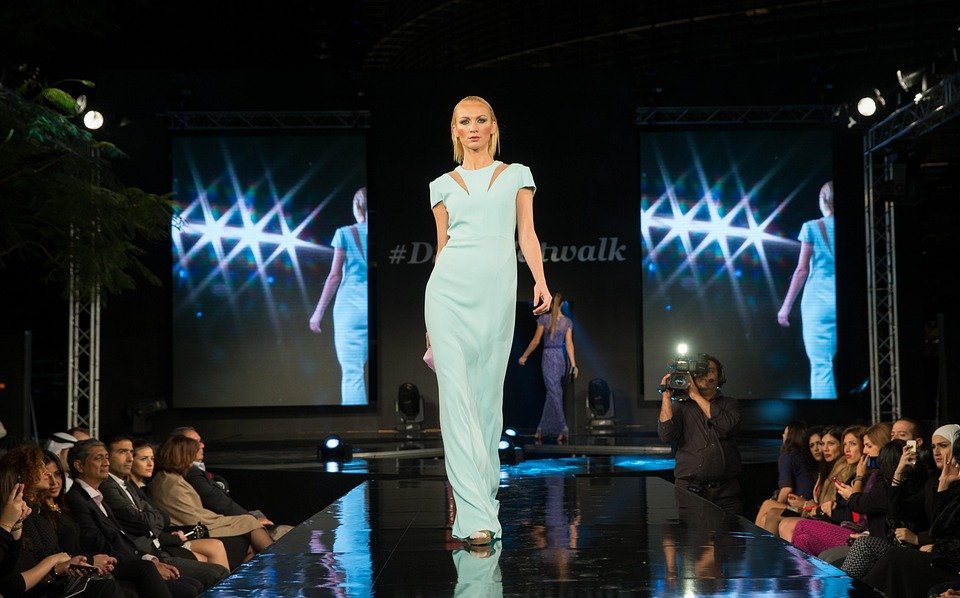
Fashion is more than just ephemeral trends; it is an intricate tapestry woven from historical techniques, cultural influences, and timeless concepts. Designers curate their collections by drawing on a rich legacy of methods that have stood the test of time. This article explores the historical methods fashion designers use, offering insights into how these techniques continue to shape the fashion landscape.
Historical Context
The evolution of fashion is tightly linked to social and economic changes. From the opulence of the Renaissance to the utilitarianism of the World Wars, each era has imprinted its values onto the garments of the time. Designers often revisit these historical milestones to inspire their collections.
Textile Knowledge
Understanding textiles is crucial for any fashion designer. The choice of fabric can dramatically influence the aesthetic and functionality of a garment. Historically significant textiles include:
- Silk: Revered for its luxurious feel, silk has been a choice fabric since ancient China. Designers often incorporate silk for its drape and sheen.
- Linen: Known for its breathability, linen has been utilized since ancient Egypt. It is particularly favored in summer collections due to its cooling properties.
- Wool: Used across various cultures, wool remains a staple for warm clothing. Designers often use it to create timeless outerwear.
Silhouette and Structure
Historically, silhouettes have defined fashion trends. Designers like Christian Dior, whose “New Look” in the 1940s emphasized femininity with an accentuated waist, illustrate how shape can dictate the mood of a collection. Key techniques in silhouette creation include:
- Tailoring: Tailoring techniques, such as darts and tucks, provide structure to garments. Mastery in tailoring can elevate the fit and sophistication of a design.
- Draping: This technique involves arranging the fabric on a dress form to create shape. It allows designers to visualize the garment’s final form and test different styles.
Color Theory and Patterns
Color and patterns play a significant role in historical fashion collections. Designers utilize color theory and pattern-making techniques to evoke emotions and convey messages. Some timeless concepts include:
- Monochrome: The use of a single color palette can create a sophisticated and cohesive look. This technique has been explored by various designers throughout history.
- Prints: From floral to geometric designs, prints have been a popular technique since the 18th century. Each pattern tells a story and adds character to a collection.
Styling Concepts
Alongside technical expertise, styling concepts have evolved over time, influencing how collections are presented. Notable concepts include:
- Layering: The art of layering adds depth to an outfit. This technique can transform basic pieces into fashionable ensembles, rooted in historical practices.
- Accessorizing: Accessories like hats, bags, and jewelry were historically pivotal in completing a look. Designers often reference historical accessories to add narrative and context to their collections.
Conclusion
Fashion is a dialogue between past and present, informed by historical methods and time-honored techniques. By understanding these elements, designers continue to curate collections that resonate, inspire, and endure. As we explore the intersection of history and contemporary design, it becomes evident that the essence of fashion is rooted in its ability to evolve while respecting its rich legacy.