






















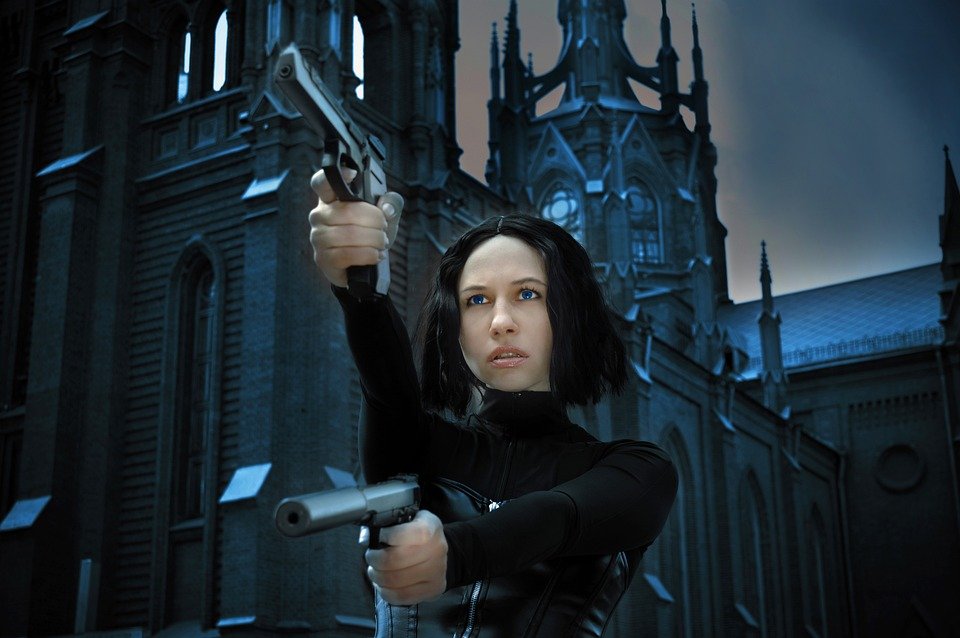
The Timeless Quality of Iconic Characters
Throughout cinematic history, certain characters have transcended their narratives to become cultural icons. These enduring figures embody traits and qualities that resonate across generations, establishing a lasting impression on audiences worldwide. From classic Hollywood to contemporary films, these characters offer a glimpse into the evolving landscape of cinema while maintaining a steadfast connection with viewers.
Classical Hollywood: The Birth of Iconic Characters
The Golden Age of Hollywood introduced audiences to unforgettable characters that have stood the test of time. Icons such as Scarlett O’Hara from “Gone with the Wind” and Rick Blaine from “Casablanca” emerged from the complexities of their narratives, leaving an indelible mark on cinema. These roles were masterfully crafted through compelling storytelling, rich character development, and remarkable performances.
Character Archetypes in Film Movements
Various film movements have contributed to the creation and evolution of iconic characters. For instance:
- Film Noir: Characters like Sam Spade from “The Maltese Falcon” embodied the gritty, morally ambiguous nature of this genre, portraying complexity that has fascinated audiences.
- Italian Neorealism: The characters in films such as “Bicycle Thieves” showcased vulnerability and resilience, reflecting the socio-economic struggles of post-war Italy.
- The French New Wave: Figures like Jean-Paul Belmondo in “Breathless” introduced a sense of rebellion and spontaneity that resonated with youthful audiences, establishing a new kind of cinematic hero.
From Page to Screen: The Impact of Adaptations
Adaptations of literature and other art forms have given rise to some of cinema’s most memorable characters. The meticulous work of filmmakers like Alfred Hitchcock, whose adaptations such as “Psycho” brought new life to characters on screen, showcases how well-known literary figures can be reframed for a cinematic audience.
Enduring Performances: Actors Who Defined the Roles
The longevity of these iconic characters is often closely tied to the actors who portray them. Performers like Marlon Brando as Vito Corleone in “The Godfather” or Audrey Hepburn as Holly Golightly in “Breakfast at Tiffany’s” brought depth and nuance to their roles, creating an emotional resonance that remains relevant today. Their performances shaped the very fabric of their characters, transforming written words into unforgettable on-screen experiences.
The Role of Technology and Innovation
Advancements in film technology and storytelling techniques have also played a crucial role in the longevity of iconic characters. Animation, special effects, and digital filmmaking have enabled the creation of characters like Buzz Lightyear from “Toy Story” and the Joker in “The Dark Knight,” adding layers of complexity and interactivity that appeal to modern audiences. As a result, these characters often evolve, adapting to the changing cultural landscape while retaining their core essence.
A Legacy of Inspiration and Culture
Ultimately, the characters that withstand the test of time serve not only as entertainment but also as reflections of society, culture, and human experience. They inspire future generations of filmmakers and actors, ensuring that the legacy of iconic characters will continue to thrive in the annals of cinematic history.
Conclusion
As we traverse the rich landscape of film, it becomes evident that iconic characters are far more than mere roles; they are cultural touchstones that symbolize universal truths and emotions. Their timeless nature ensures that they will remain cherished figures in the hearts of audiences for years to come.






