






















NASA to Expedite Crew Return from ISS Due to Medical Concerns
NASA has decided to bring a crew member back from the International Space Station (ISS) earlier than originally scheduled due to medical issues. Although the astronaut’s identity remains undisclosed for privacy reasons, officials confirm that the individual is currently stable aboard the ISS. This adjustment follows the cancellation of a planned spacewalk that was also slated for this week.
Early Return and Cancellation of Spacewalk
Originally, Crew-11, which has been stationed on the ISS since August of the previous year, was set to return in May. However, a NASA spokesperson announced that the agency is prioritising the health and safety of its crew, considering all options, including an early return.
Dr. James Polk, NASA’s chief health and medical officer, assured that the situation doesn’t constitute an emergency evacuation, but they are opting to err on the side of caution.
Impacts on Planned Activities
The cancellation of the scheduled spacewalk, set to last 6.5 hours and led by Commander Mike Fincke along with flight engineer Zena Cardman, highlights the agency’s commitment to crew safety. NASA has a history of carefully planning these operations, and will often cancel if any concerns arise.
Notable Previous Cancelled Spacewalks
This isn’t the first time NASA has had to cancel spacewalks due to unforeseen circumstances:
- A spacewalk was called off in 2024 after an astronaut experienced discomfort in their spacesuit.
- In 2021, astronaut Mark Vande Hei halted a spacewalk due to a pinched nerve.
Background
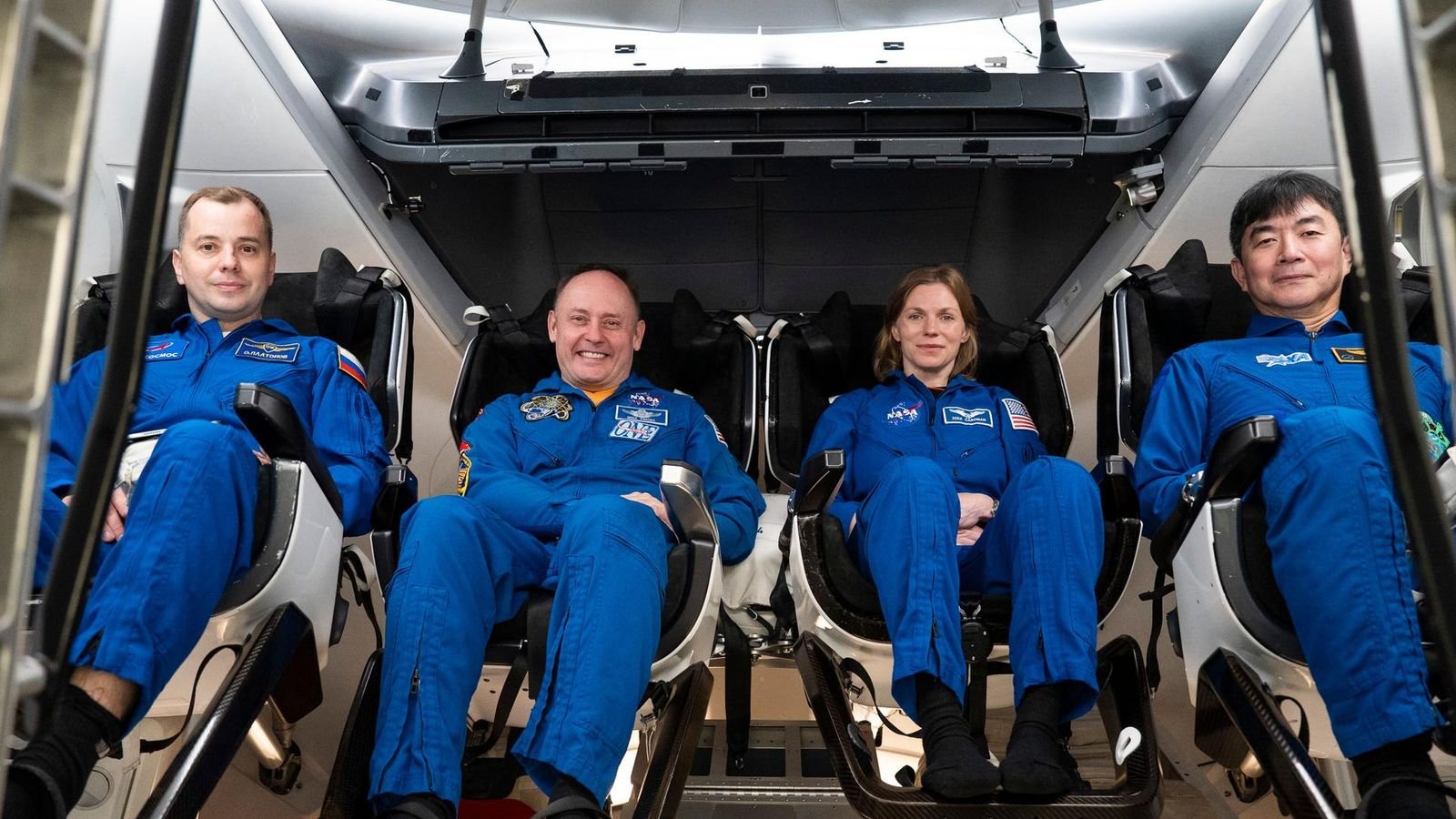
The current Crew-11 team comprises four astronauts, including US astronauts Cardman and Fincke, alongside Japanese astronaut Kimiya Yui and Russian cosmonaut Oleg Platonov. Some crew members are engaged in research aimed at addressing health challenges faced by astronauts on deep space missions. While there are no indications linking their medical evaluations to the recent issue, they are involved in several important experiments, including simulated moon landings.
The ISS has maintained a constant human presence for over 25 years, with missions generally lasting between six and eight months. The need to coordinate a replacement crew when bringing someone home early adds another layer of complexity to an already intricate task.
Significance of the Mission
As the UK and the world continue to explore the potential of space travel, the activities and developments at the ISS serve as a vital component of our understanding of long-duration space missions. Ensuring the health and safety of astronauts not only impacts present missions but also shapes future exploration initiatives and the quest for sustainable experiences beyond Earth.
For updates regarding space exploration and health protocols, interested parties are encouraged to follow NASA’s communications.
Source: Original Article






