Sudan’s Prolonged Conflict Leaves Millions in Dire Need
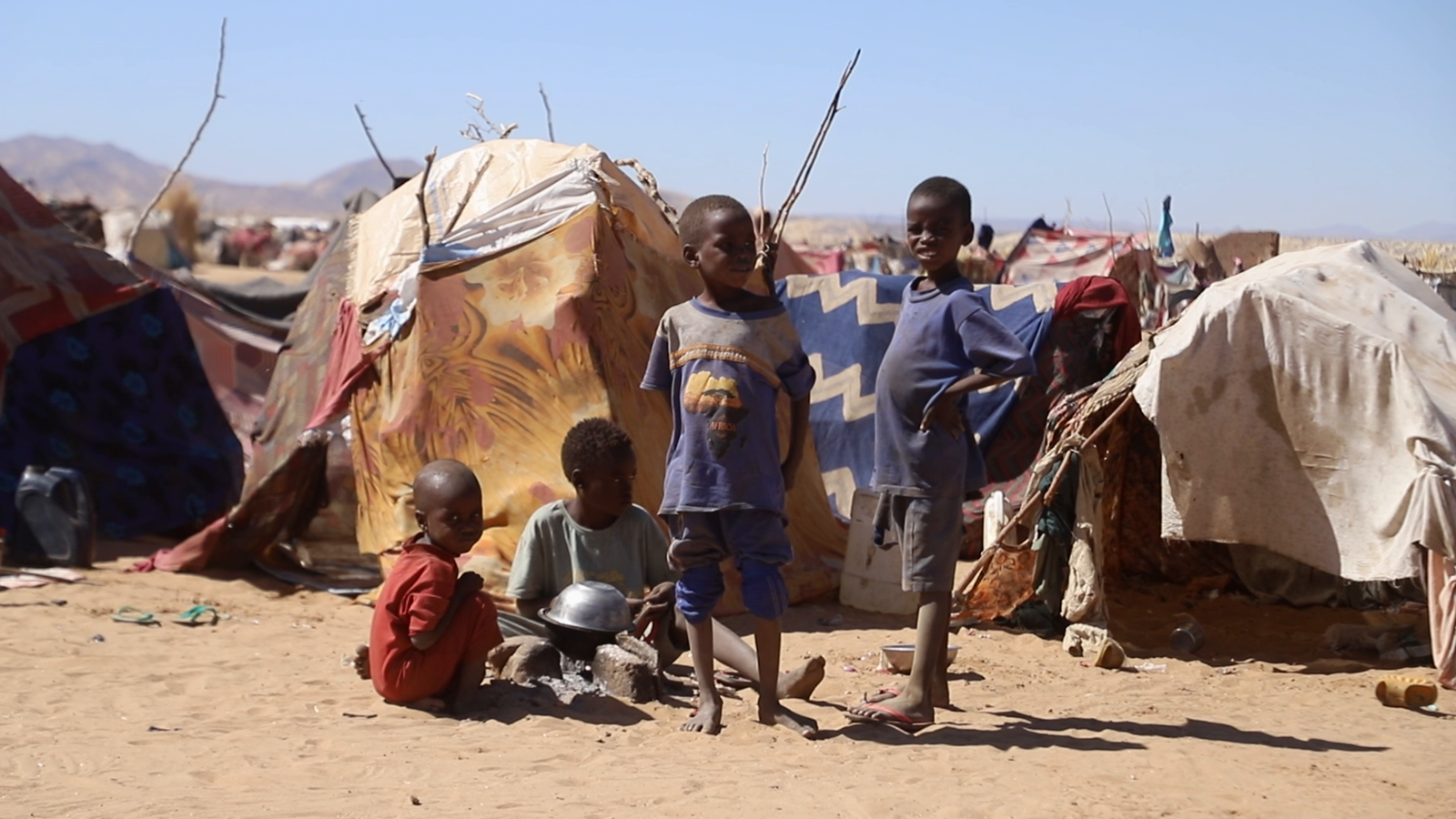
The ongoing conflict in Sudan, which has persisted for nearly a thousand days, has resulted in widespread deprivation, displacement, and a deep-seated longing for a sustainable political resolution. An alarming 70% of the Sudanese population, amounting to approximately 30 million people, now rely heavily on humanitarian aid, which is dwindling as local volunteers bear the brunt of supporting their beleaguered communities.
Violence Unfolds Amidst Territorial Struggles
No corner of Sudan has been spared from the rampant violence orchestrated by the paramilitary Rapid Support Forces (RSF) and the Sudanese Armed Forces (SAF). Their relentless pursuit of territorial dominance culminated in the RSF’s recent seizure of Al Fashir, the capital of North Darfur, a situation that starkly illustrates the brutality of this protracted conflict.
Footage obtained by Sky News covertly reveals Al Fashir’s desolate streets, where bombarded structures and abandoned market squares stand as haunting reminders of the city’s former vibrancy. Civilians returning to scope for valuables report that government-shared videos depicting cheerful crowds are nothing but propaganda, masking the grim realities of massacre and displacement.
Civilians Suffer Indiscriminately
The stark truth is that civilians are not merely bystanders in this conflict; many have become its direct victims. Reports indicate that numerous doctors, journalists, and politicians have been abducted by the RSF, held hostage amidst the chaos. One doctor, identifying herself only as Dr Fatima for her safety, recounted her horrific experience of detention and exploitation, highlighting the severe lack of medical support for those in need.
“There were no resources to offer healthcare services, and the videos showcasing supposed medical interventions were simply staged,” Dr Fatima remarked, painting a disturbing picture of the health crisis in the region.
The Role of Foreign Arms in the Conflict
The situation has been exacerbated by a flood of foreign weaponry entering Sudan, where analysts indicate that advanced military equipment, such as drones and Howitzers, have been deployed by both sides. Observations show that these weapons are notably enhancing the scale and ferocity of the ongoing violence.
Reports suggest that the United Arab Emirates is implicated in supplying arms to both factions, with a senior analyst indicating that existing embargoes on the transfer of military resources to Sudan are being surreptitiously violated. While the UAE government has vehemently denied these allegations, asserting compliance with international arms regulations, documentation shows a series of heavy artillery used by the RSF reportedly traces back to imports from the UAE.
The Humanitarian Crisis Deepens
As the violence unfolds, a humanitarian crisis looms large. Numerous civilians, including former members of the armed forces, are being forced into camps across the nation, facing dire conditions devoid of sufficient support systems. Eyewitness accounts describe chaotic scenes as military leaders abandon their posts, leaving ordinary soldiers and civilians to fend for themselves amid turmoil.
In an environment where survival hinges on community solidarity, the testimonies from affected individuals underscore the urgent need for international solidarity and intervention to alleviate the suffering and restore hope to a nation ravaged by years of conflict.
Background
The current conflict can be traced back to deep-rooted political and social issues within Sudan, which have historically included ethnic tensions and power struggles. The recent escalation of violence has drawn the attention of the international community, raising concerns about potential long-term consequences for regional stability and security. In light of ongoing negotiations and the fragile peace process in Sudan, the situation remains a critical focal point for humanitarian efforts and global attention.
Source: Original Article