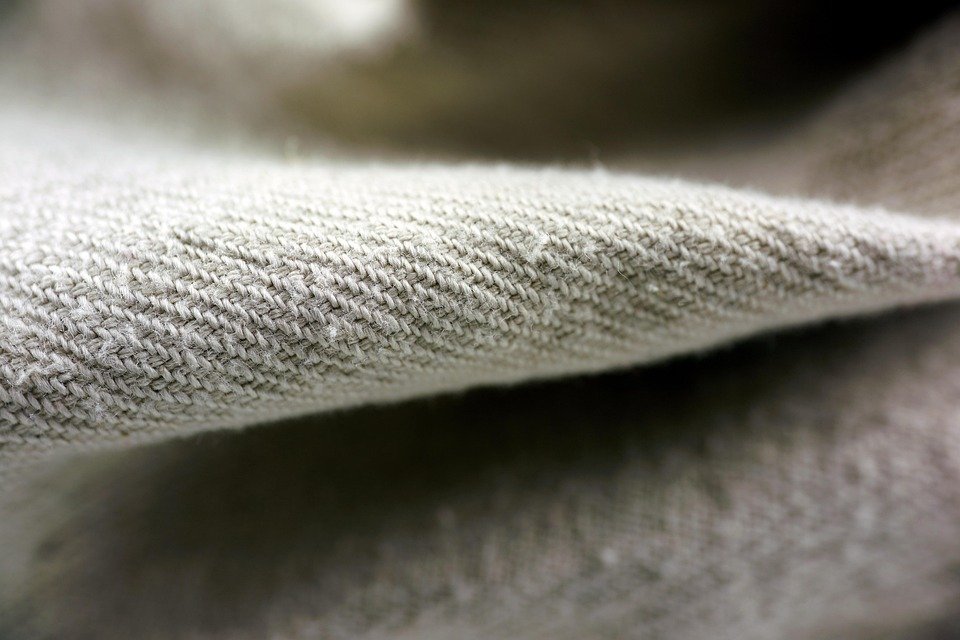
The world of fashion has long been intertwined with the art of textile design, particularly in the realm of patterns. From the intricate weaves of Jacquard to the expansive possibilities offered by digital technology, the evolution of textile patterns reflects broader changes in society, technology, and aesthetic preferences. This article explores the significant milestones in this evolution, highlighting key principles and notable contributions that have shaped fashion design over the years.
The Birth of Jacquard
The Jacquard technique, introduced by Joseph Marie Jacquard in 1804, marked a pivotal moment in textile production. This innovative loom allowed for the automatic production of intricate patterns, utilizing punched cards to control the weaving process. This technology enabled designers to create elaborate motifs that were previously labor-intensive and time-consuming.
- Hands-free Weaving: The Jacquard loom mechanized the weaving process, allowing for greater efficiency and precision.
- Design Freedom: The ability to weave complex designs opened new avenues for creativity, allowing designers to craft unique visual narratives.
- Impact on Fashion: The use of Jacquard fabrics became synonymous with luxury, adopted by high-fashion houses in the 19th century, including the likes of Worth and Worth & Oppenheim.
The Influence of Pattern in Fashion
Throughout the 19th and early 20th centuries, textile patterns played a critical role in defining styles and trends in fashion. Various movements and societal changes influenced the types of patterns that became popular.
- Art Nouveau: Floral and organic motifs dominated this era, influencing designers such as Liberty in textile production and application.
- Bauhaus: The Bauhaus movement redefined patterns through geometric shapes and functional designs, impacting fashion in the 1920s and beyond.
- Pop Art: The colorful and bold designs that emerged in the 1960s, influenced by Pop Art, brought about a revolution in textile prints, with designers like Emilio Pucci leading the charge.
The Rise of Digital Textiles
The advent of digital technology in the late 20th and early 21st centuries transformed the textile industry once again. With the ability to print on fabrics digitally, the production of patterns became more versatile and accessible.
- Endless Possibilities: Digital printing allows for customization and the creation of intricate designs that were previously unimaginable.
- On-Demand Production: Designers can now create textiles on-demand, reducing waste and promoting sustainable practices in the fashion industry.
- Integration with Fashion Design: Fashion houses began to utilize digital printing to create collections that reflect the individual vision of designers while appealing to a broader audience.
Conclusion
The journey from Jacquard to digital textiles illustrates how technological advances have continuously reshaped the landscape of fashion design. From luxurious woven patterns to the limitless potential of digital printing, textile patterns remain a central element in the world of fashion. These developments remind us that innovation and creativity are essential to the evolution of style, ultimately reflecting changes in culture, art, and societal values across generations.