






















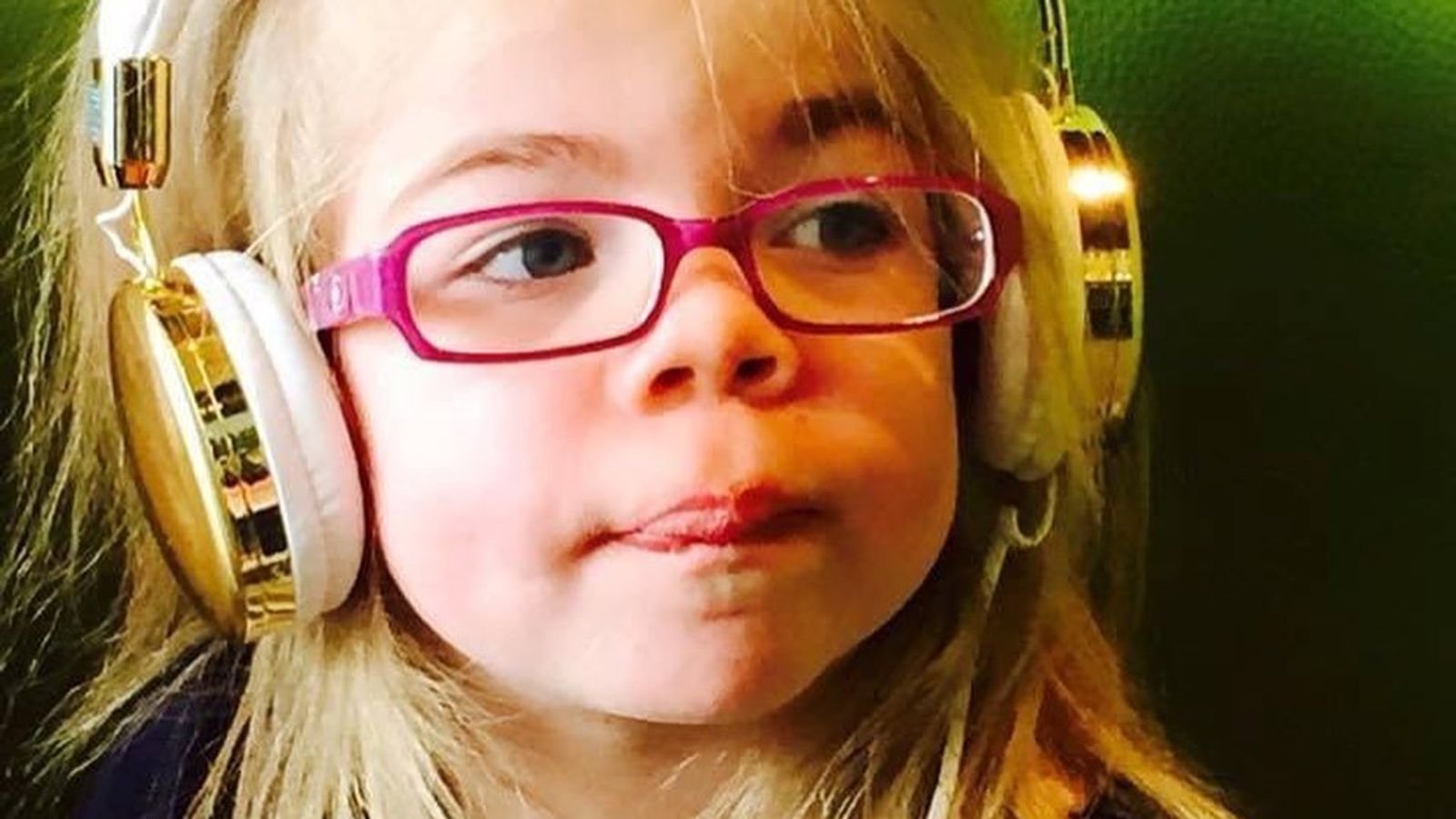
A Glasgow Family Faces Childhood Dementia
In a harrowing turn of events just before her fourth birthday, Sophia Scott was diagnosed with Sanfilippo syndrome, a rare form of childhood dementia. This diagnosis shocked her family, as doctors informed them that Sophia might not live beyond her 16th year.
The Emotional Toll of Diagnosis
On the eve of her birthday, Sophia’s parents arrived at a Glasgow hospital, where a team of five doctors delivered the devastating news. “It was delivered like a complete thunderbolt,” her father, Darren Scott, recounted in an emotional interview. The couple found themselves overwhelmed and devastated, feeling as if their lives had shattered in an instant.
Life Before Diagnosis
Prior to receiving the diagnosis, life for Sophia and her family had been ordinary and joyful. Engaged in activities like ballet and swimming, the little girl was thriving. However, after concerns arose at her nursery regarding her declining reading abilities, tests were conducted, resulting in the life-altering diagnosis that would impact the entire family dramatically.
Struggles with Healthcare Support
After the initial diagnosis, the Scott family received minimal guidance, only provided with an information sheet and a phone number for assistance. “We were left on the street, vomiting outside the hospital,” recalled Mr. Scott, highlighting the lack of comprehensive support offered to families facing this rare condition.
What is Sanfilippo Syndrome?
Sanfilippo syndrome is part of a broader category of over 140 genetic and neurodegenerative metabolic disorders, little understood and underfunded in terms of research. While there is no official statistic regarding the number of children affected, campaigners from Alzheimer Scotland estimate that Scotland alone has at least 400 young individuals living with this condition.
Living with Childhood Dementia
Now nearly a decade since her diagnosis, Sophia will soon turn 15. Unfortunately, since the age of six, she has progressively lost many of her abilities: she can no longer eat, walk independently, or speak—a heartbreaking transformation from the vibrant child she once was. Mr. Scott expressed his profound sorrow, remarking, “Life has been robbed and stolen from Sophia.”
Call for Awareness and Support
Darren Scott emphasised the urgent need for greater awareness and funding to address childhood dementia. He lamented the significant contrast in healthcare support for children compared to adults suffering from dementia, stating, “There is no support, there is no funding, there is no research, there are no trials.”
Need for Enhanced Diagnoses
A recent study indicated that families dealing with dementia in children are being “catastrophically failed” due to a lack of knowledge regarding the condition. Jim Pearson from Alzheimer Scotland noted that misdiagnosis frequently occurs, with symptoms often mistaken for conditions such as ADHD or autism, leading to lengthy, challenging paths before receiving appropriate care.
Looking Ahead
Despite the bleak prognosis, the Scott family remains hopeful for clinical trials that could offer solutions. However, Darren voiced concerns that these advancements may arrive too late for Sophia, echoing a common sentiment among families grappling with similar challenges. “It’s criminal that we were given that timeline as it’s forever embedded in our heads in this race against time that we’re losing,” he stated poignantly.
Background
The lack of awareness and understanding surrounding childhood dementia contributes to the isolation many families face. Together, advocates are calling for support, increased research funding, and a shift in how medical professionals approach diagnosing rare neurodegenerative conditions in children.
Source: Original Article






