























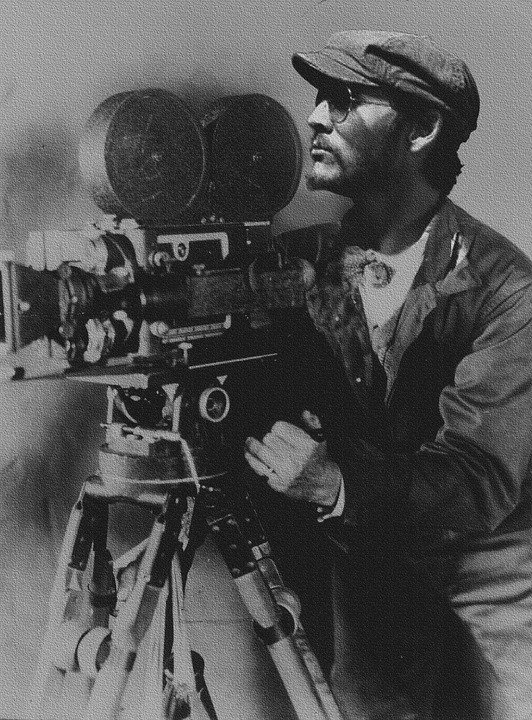
Introduction to Classic Japanese Cinema
Classic Japanese cinema has left an indelible mark on the landscape of global filmmaking. Renowned directors such as Akira Kurosawa, Yasujirō Ozu, and Kenji Mizoguchi have crafted works that not only reflect Japanese culture but also explore universal human themes. The unique storytelling elements and cinematic techniques developed by these filmmakers have influenced generations of directors worldwide.
Human Condition and Existentialism
Many classic Japanese films delve deeply into the human condition, exploring themes of existentialism, identity, and morality. Directors like Kurosawa often portrayed characters grappling with ethics and personal choices against the backdrop of a changing society.
- Akuacharu (1954): Kurosawa’s exploration of a samurai’s moral dilemma amidst cultural upheaval.
- Tokyo Story (1953): Ozu’s poignant examination of family dynamics and generational conflict.
Tradition vs. Modernity
The tension between tradition and modernity is a recurring theme in Japanese cinema. Both Mizoguchi and Ozu portrayed characters navigating between the values of their cultural heritage and the demands of contemporary life.
- Ugetsu (1953): Mizoguchi’s tale about ambition and the sacrifices made in the pursuit of progress.
- Late Spring (1949): Ozu’s subtle critique of post-war Japanese society, focused on the pressure to conform to traditional roles.
Social Commentary and Critique
The works of these directors often include pointed social critiques, reflecting the challenges faced by Japanese society. By examining class struggles, gender roles, and the complexities of modernization, filmmakers provided commentary on their time.
- Stray Dog (1949): Kurosawa’s take on post-war societal issues and the struggle for redemption.
- The Life of Oharu (1952): Mizoguchi’s portrayal of a woman’s life in a patriarchal society, reflecting social constraints.
The Influence of Aesthetics
The aesthetic choices in classic Japanese cinema have also contributed to its lasting legacy. The use of light, color, and composition not only served narrative purposes but also transformed the viewing experience. Directors often conveyed emotion and subtext through meticulous visualization.
- Composition in Ozu’s Works: Ozu’s distinctive use of low camera angles creates intimacy and engages the viewer in the characters’ experiences.
- Visual Storytelling in Kurosawa’s Films: Kurosawa’s masterful use of weather and landscapes to reflect inner turmoil has influenced filmmakers around the globe.
Conclusion
Classical Japanese cinema offers rich themes that are as relevant today as they were decades ago. The works of directors like Akira Kurosawa, Yasujirō Ozu, and Kenji Mizoguchi provide insight into the complexities of human experiences, societal values, and aesthetic innovations. Their films serve as a testament to the power of storytelling and continue to inspire future generations of filmmakers around the world.






