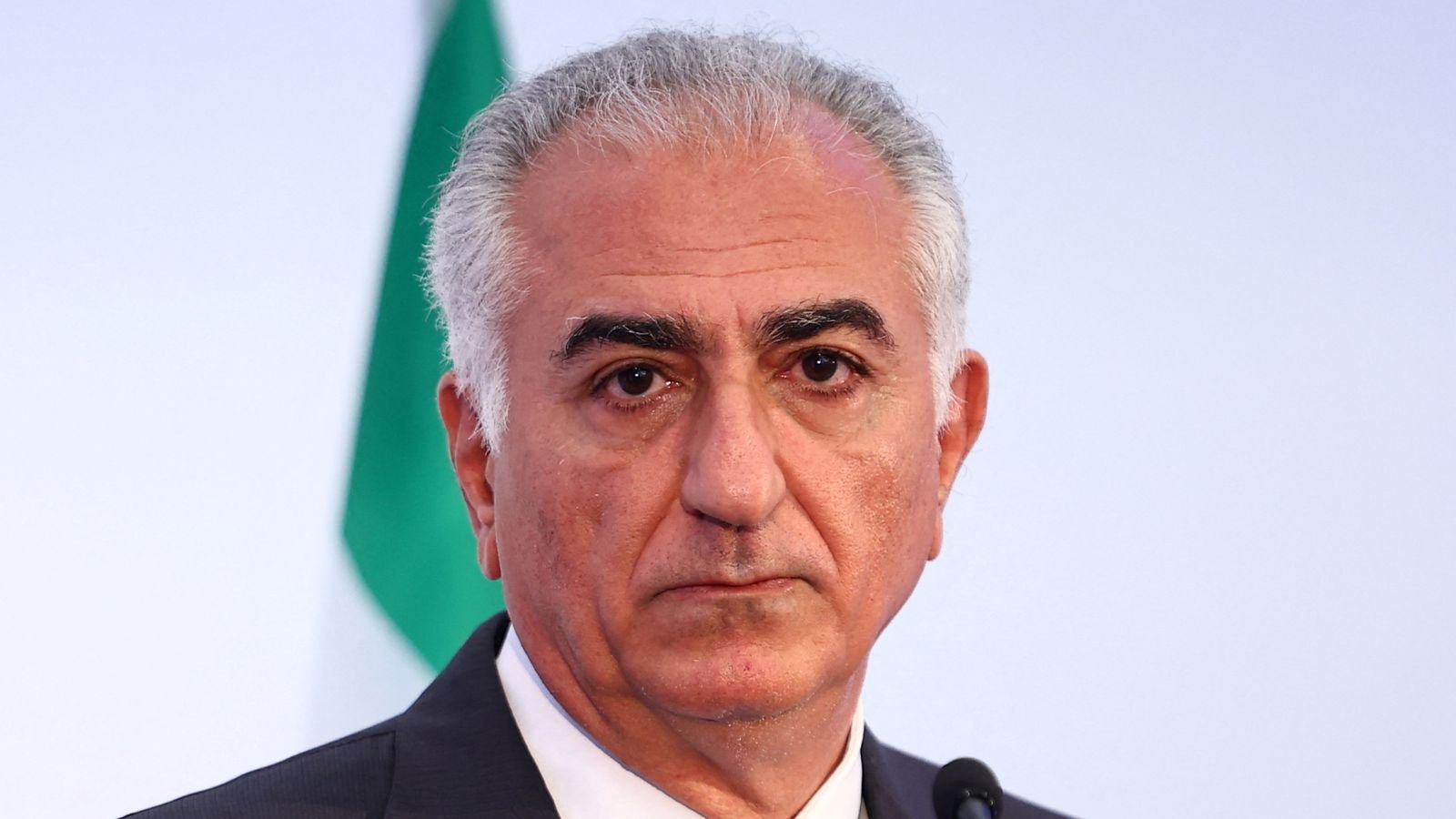
Reza Pahlavi Positions Himself Amidst Iran’s Tumult
As Iran grapples with widespread anti-government protests that challenge the current regime’s authority, Reza Pahlavi, the exiled crown prince, is striving to re-establish his influence in the country. At 65, Pahlavi has taken a proactive role in rallying demonstrators, converting economic discontent into a substantial threat to the theocratic government of Iran.
The Emergence of Reza Pahlavi
Reza Pahlavi, born on October 31, 1960, was raised in the opulence granted to the heir of Shah Mohammad Reza Pahlavi, who had inherited the throne after a military coup backed by the UK. The shah’s rule was supported by a 1953 CIA-backed intervention, bringing Western influences into Iranian governance.
Pahlavi’s formative years included a notable visit from US President Jimmy Carter in 1978, during which he reportedly played rock music in the Niavaran Palace. However, the future of the monarchy appeared bleak as economic disparity and repression under the shah’s infamous SAVAK intelligence agency sowed discontent.
The Islamic Revolution’s Impact
The Iranian Revolution in 1979 marked a seismic shift in the nation’s trajectory. Despite the country enjoying economic benefits from soaring oil prices in the 1970s, public dissent crescendoed due to political oppression. The shah’s deteriorating health led to poor decision-making amidst mounting protests, eventually culminating in his exile. Pahlavi was in the U.S. for flight training at that time.
After his father’s departure, the exiled royal court proclaimed Reza Pahlavi as the new shah on his 20th birthday, October 31, 1980.
Seeking Influence in Exile
Throughout nearly five decades of living in the United States, primarily in Los Angeles and Washington, Pahlavi has sought to maintain his connection to Iran. Reports from 1986 indicated CIA assistance in facilitating broadcasts aimed at stirring support for his cause back home.
In these transmissions, Pahlavi expressed his intention to return and contribute to Iran’s prosperity and freedom. More recently, he has leveraged social media platforms to extend his voice, calling for renewed protests through Farsi-language channels.
Future Aspirations for Iran
Pahlavi has proposed a shift towards a constitutional monarchy where the leadership may be determined by popular elections rather than hereditary right, emphasizing that real authority should rest with the Iranian people. However, older memories of his father’s reign, alongside accusations that he is out of touch with contemporary issues, hinder his acceptance among younger Iranians.
Moreover, his open support for Israel, particularly following the 12-day conflict with Iran last year and a meeting with Israeli Prime Minister Benjamin Netanyahu in 2023, has stirred controversy and criticism.
US President Donald Trump has indicated he is hesitant to meet with Pahlavi until there is clarity regarding the outcome of the protests, thereby leaving uncertain prospects for the former crown prince’s ambitions.
Conclusion
The protests emerging in Iran present a pivotal moment for both the demonstrators and figures like Reza Pahlavi. While many call for a return to the past symbolized by the Pahlavi dynasty, it remains ambiguous if such movements reflect genuine support for Reza or a broader yearning for stability and governance free from the current regime’s hold.
Background
The current unrest in Iran can be traced to longstanding grievances against the theocratic regime, spanning decades of economic challenges and political repression. The complexities of the monarchy’s past and contemporary dynamics shape the discourse surrounding Pahlavi’s potential role in Iran’s future.
Source: Original Article