






















Conservatives Propose Social Media Ban for Under-16s
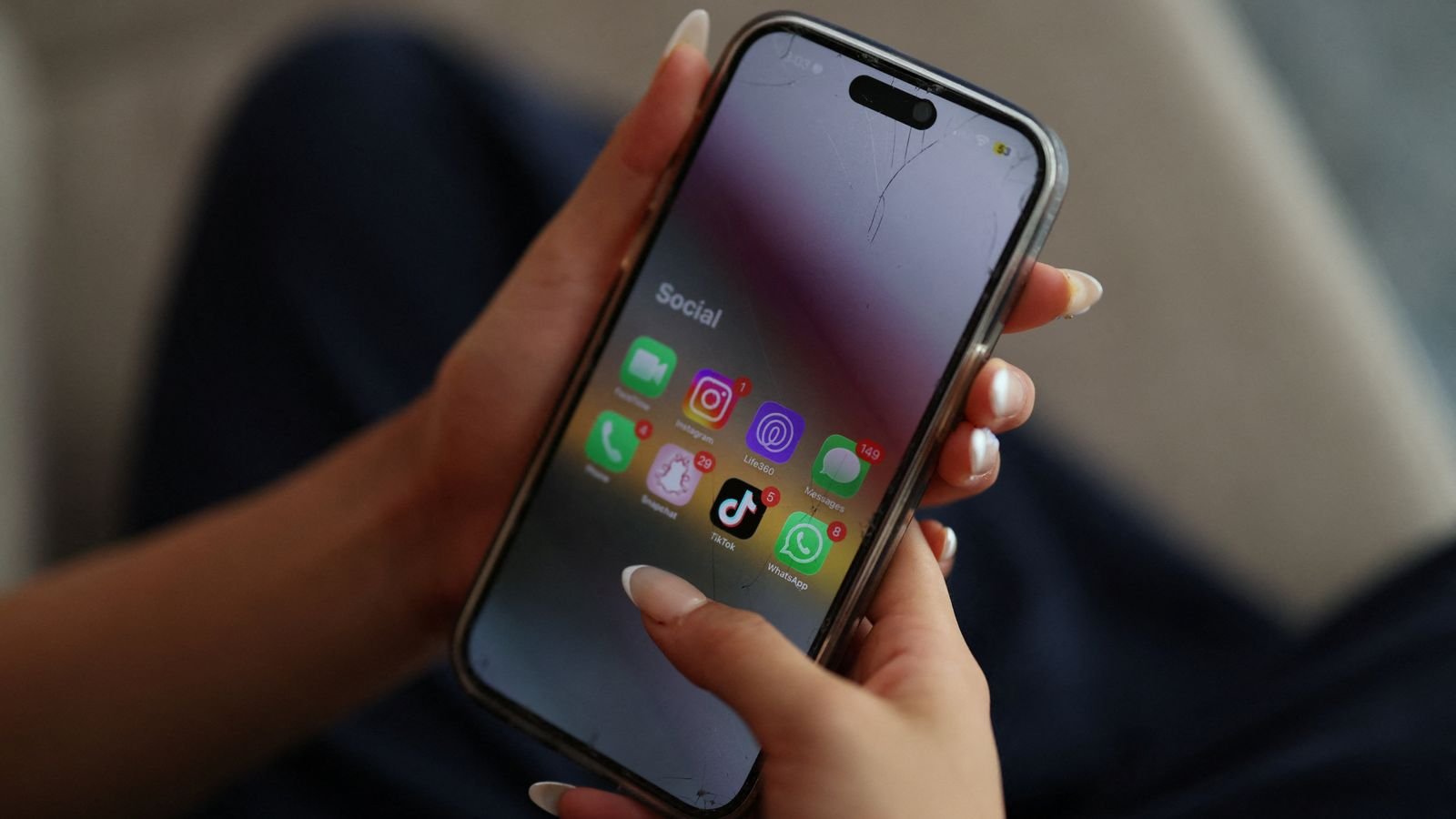
The Conservative Party has announced plans to implement a ban on social media usage for children under 16, aiming to shield young users from harmful online content. Party leader Kemi Badenoch emphasized the need to raise the “age of consent” in the digital sphere, citing concerns over children’s exposure to pornography and violence.
Clarifying the Policy
Badenoch described the proposed legislation as a means to establish “clear rules for children” while maintaining freedom for adults. She reassured that this initiative is not a form of censorship for grown-ups but an effort to encourage responsible usage among children. Badenoch stated, “A simple age limit for social media does that,” reinforcing the notion that adults should not be treated as minors.
This latest proposal extends beyond the party’s previous recommendations concerning the prohibition of smartphones in schools—an idea that the government did not endorse, favouring the autonomy of individual schools in addressing device use.
Justification for the Ban
The Conservative leadership highlighted alarming statistics that demonstrate the amount of time children now spend online, often encountering violent or extreme materials and risky interactions with adults. Badenoch noted the pressures that parents face in monitoring their children’s online activities, advocating for stronger protective measures.
International Context and Precedents
This policy aligns with similar actions taken by other nations, such as Australia, which has imposed a 16-year threshold for social media engagement. Countries including Malaysia, Denmark, France, Norway, New Zealand, Canada, and Greece are reportedly considering similar restrictions. The initiative underscores a growing global concern regarding children’s safety in digital environments.
Concerns Raised by Experts
Advocacy groups have expressed the need for controls over social media’s access to children. Jane Rowland, co-founder of SafeScreens, asserted that profit-driven platforms have long exploited children’s data and attention. She hailed the Conservatives’ proposal as a significant step towards protecting minors from online risks.
Response from Social Media Platforms
In light of recent controversies, particularly regarding the social media platform X, owned by Elon Musk, criticisms have been raised about its handling of harmful content. Users, predominantly women, reported incidents of AI-generated sexual images circulating on the platform. X stated its commitment to combating illegal content through account suspension and collaboration with local authorities.
Conclusion
The Conservative Party is now urging the government to take swift action on this proposal, which seeks to fortify protections for children online while balancing free expression for adults. With digital safety increasingly coming under scrutiny, the proposed ban aims to deliver safeguards tailored to the evolving challenges of today’s online landscape.
Background
Previous discussions surrounding the use of technology in the lives of children have highlighted significant issues, such as mental health impacts and exposure to inappropriate materials. This proposed ban is part of an ongoing dialogue about the role of social media in society and its regulations.
Source: Original Article






