






















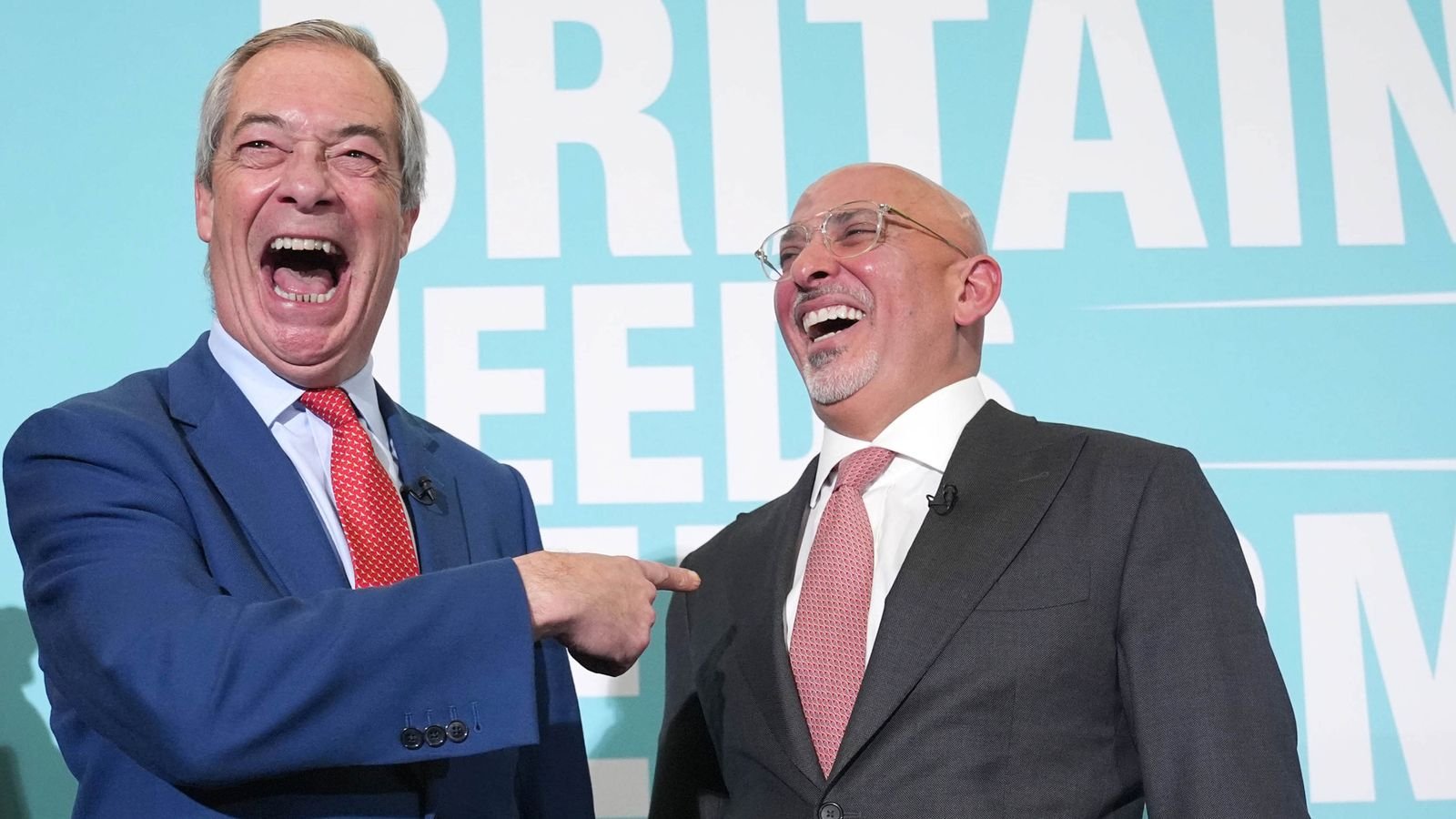
Nadhim Zahawi Joins Reform UK in Strategic Move for Political Comeback
Nadhim Zahawi, the former Chancellor of the Exchequer, has made headlines by joining Reform UK, presenting a strategic shift that has garnered attention within political circles. Known for his previous role as vaccines minister during the COVID-19 pandemic, Zahawi’s transition to this anti-establishment party raises questions about his motives and the implications for the reformist agenda.
Political Landscape Shift
The decision by Zahawi to affiliate with Reform UK comes as the party, co-founded by the notable political figure Nigel Farage, seeks to strengthen its credibility and appeal to a broader donor base. Reform UK has faced challenges, notably accusations of vaccine scepticism, which sharply contrasts with Zahawi’s successful management of the UK’s vaccination programme. His experience offers a unique juxtaposition within a party striving to redefine its image.
Reform’s Appeal
Despite its controversial stances, Zahawi’s addition to Reform may be seen as a calculated move to soften the party’s image, particularly among centrist voters concerned about its more radical positions. He is not the first former Conservative MP to defect, reflecting an ongoing trend of established political figures seeking new platforms as traditional party alignments adjust.
Connections and Experience
Zahawi’s remarkable journey from being an Iraqi refugee to a successful businessman and politician adds a compelling narrative to his new role. His wealth of experience and extensive connections could be invaluable in navigating the intricate dynamics of UK politics. However, it remains to be seen whether this will enhance the public perception of Reform UK or merely solidify its reputation as a refuge for disillusioned Conservatives.
Controversial Background
Although Zahawi brings a host of experience, his political career has not been without its controversies. Past incidents include an apology for misusing taxpayer funds for personal expenses in 2013 and attending a private event linked to questionable ethics. His tenure ended dramatically when he was dismissed as the Tory chairman over issues related to unpaid taxes, raising concerns about his suitability as a leading figure in a party that positions itself against the establishment.
Looking to the Future
As Zahawi embarks on this new chapter, the question arises: what does this mean for his political aspirations? Sources close to him suggest a strong desire for recognition and influence drives his decisions. With Reform UK reportedly leading in some polls, Zahawi appears to be positioning himself for a potential resurgence within the political arena, aiming to reclaim a prominent role in the nation’s governance.
Background
- Zahawi served as Chancellor of the Exchequer for a brief period before being dismissed amid growing scrutiny.
- He is one of the many former Conservative figures who have transitioned to Reform UK, reflecting broader discontent within the party.
- The restructuring of political affiliations in the UK indicates a climate ripe for new political narratives.
Zahawi’s move underscores the fluid dynamics of contemporary British politics, where former party loyalties are increasingly called into question amid shifting voter expectations. As these developments unfold, the implications for both Zahawi and Reform UK will be closely scrutinised.
Source: Original Article






