






















Surge in Raids and Arrests of Illegal Workers in the UK
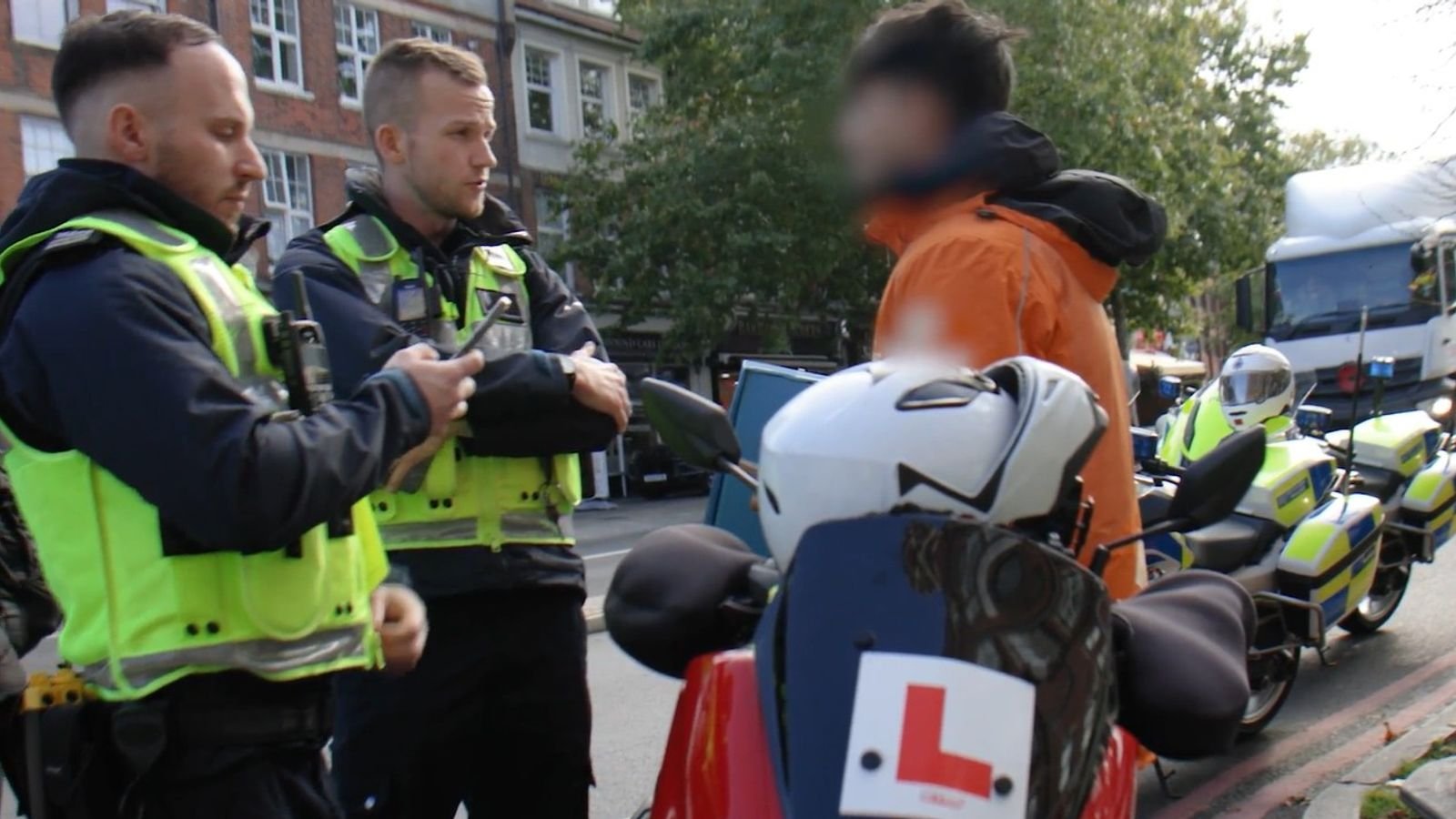
The Home Office has reported a significant rise in illegal worker arrests and enforcement actions over the past 18 months, coinciding with Labour’s return to power. Data indicate a 77% increase in raids conducted on various businesses, leading to an 83% spike in arrests.
Record Numbers of Enforcement Actions
According to government statistics, more than 17,400 raids targeting illegal workers in sectors such as nail salons, car washes, and takeaway restaurants have been executed. These efforts resulted in over 12,300 arrests of individuals allegedly working unlawfully and attempting to integrate into the UK workforce unnoticed.
Home Secretary Shabana Mahmood stated that these figures represent the highest level of enforcement actions recorded since the government began keeping track in 2019. She emphasized that addressing illegal working is a vital step toward controlling immigration and reducing factors that draw individuals to seek refuge in the UK unlawfully.
Impact on Specific Regions
Regions such as London, the West Midlands, and the South West have faced the highest rates of illegal worker arrests. In London alone, over 2,100 arrests were made last year, marking a 47% increase compared to 2024. Both the West Midlands and South West reported even higher percentage increases, at 76% and 91% respectively, each exceeding 1,100 arrests.
- 1,726 individuals have been sent back to their home countries, a 35% increase from the previous report of 1,283 returns.
High-Profile Actions and Future Plans
Recent operations have included significant raids, such as one in Shoreham-by-Sea, West Sussex, where 13 individuals were detained, and another in Swindon, Wiltshire, resulting in the arrest of 30 men—primarily Indian and Albanian nationals. Mahmood asserted her commitment to maintaining strict border controls and called the recent enforcement increase a necessary action as the Home Office works to enhance its capabilities.
Background
This escalation in enforcement comes shortly after Mahmood publicly acknowledged that her department was “not yet fit for purpose.” The government has allocated £5 million towards efforts to capture, detain, and repatriate individuals working illegally, while also introducing stricter right-to-work checks to ensure compliance among transient or sub-contracted workers. The use of body-worn cameras by officers, initiated in September, aims to increase transparency regarding arrests and prosecutions.
These developments reflect a broader strategy to tackle illegal immigration in the UK effectively, sparking discussions about the balance between border security and the rights of individuals seeking work.
Source: Original Article






