US Tariff Announcements Heighten Tensions in Global Trade
Recent declarations by the Trump administration to impose a 25% tariff on countries conducting trade with Iran signal a significant escalation in the ongoing global trade tensions initiated by the United States. Despite this, China’s response has been notably subdued, hinting at a strategic pause as it assesses potential repercussions.
China’s Cautious Response
Following the US announcement, a spokesperson from the Chinese Foreign Ministry remarked that no party benefits from an escalation in tariff disputes and reaffirmed China’s commitment to protecting its lawful interests. This tempered reaction suggests that China may be carefully evaluating how the latest tariffs will be implemented and whether they will affect its existing agreements with the US.
China maintains a crucial economic relationship with Iran, accounting for a significant portion of Iran’s oil exports. Analysts estimate that the Asian nation purchases between 80% to 90% of Iran’s shipped oil, making it Iran’s largest trading partner. This relationship complicates China’s position as it navigates its obligations under US sanctions while sustaining its trade ties.
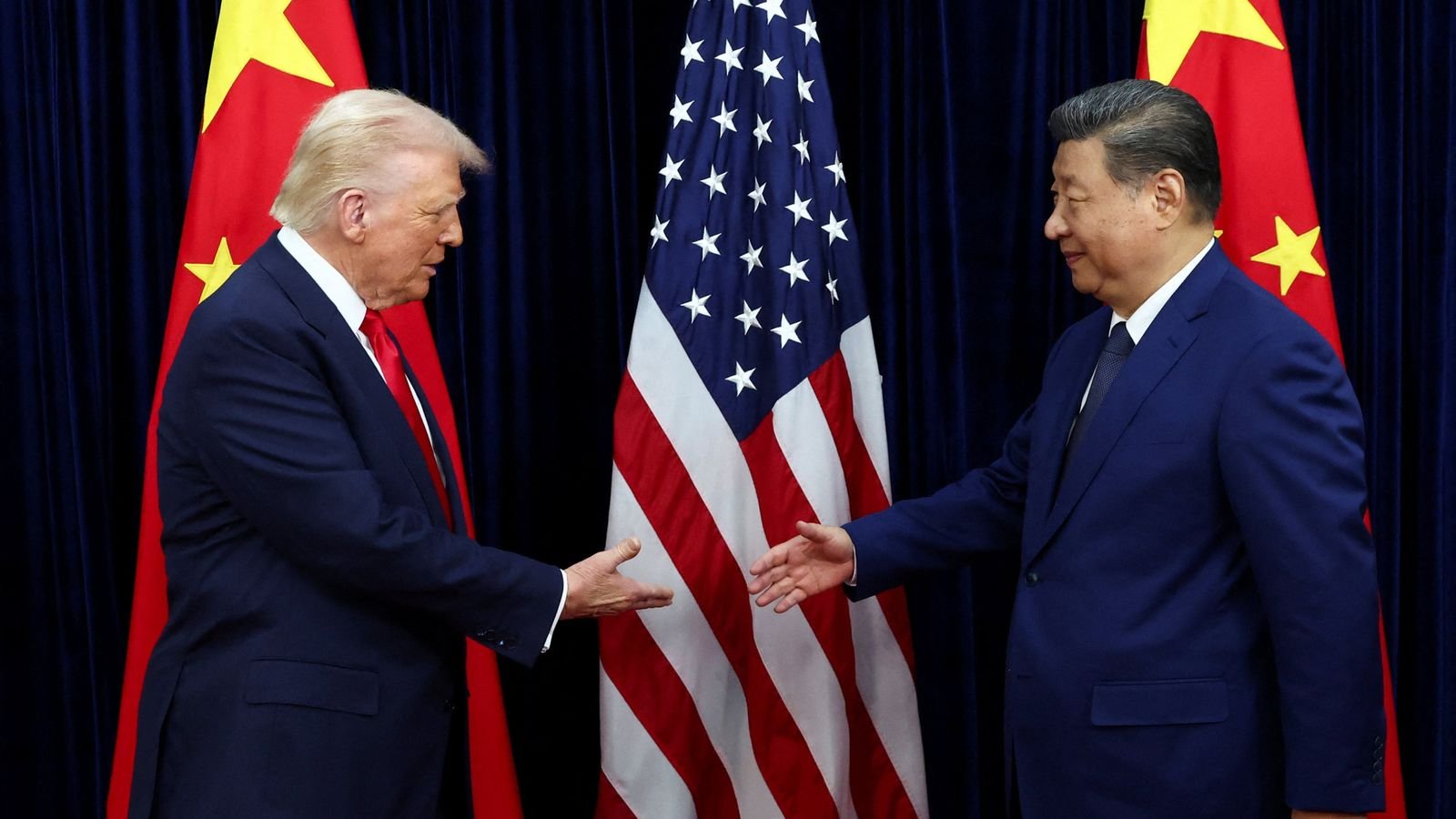
US-China Relations at a Crossroads
The backdrop to this announcement is the fraught relationship between the US and China, particularly following a truce established last November which lowered China’s average tariff rate from 145% to approximately 47%. This agreement was the result of extensive negotiations and resulted in commitments from China to significantly increase its purchases of US agricultural products, alongside other concessions.
Introducing new tariffs against China could provoke retaliatory measures, potentially undoing the fragile progress made in US-China relations. Analysts suggest that the possibility of a looming visit by President Trump to Beijing next April may incentivize him to carve out exemptions for China, mitigating the risk of heightened economic confrontation.
Potential Consequences of Increased Tariffs
Should the Trump administration proceed with these tariffs, China is expected to leverage its influence to negotiate exemptions behind the scenes. The ramifications of increasing tariffs on China could be substantial, particularly at a time when its economy is grappling with challenges such as slowed growth and rising unemployment. Analysts have noted that pushing the average tariff rate over 70% could hinder trade viability between the two nations.
Historically, retaliation has followed tariff increases; India, for instance, faced a 25% tariff for purchasing oil from Russia, while China was notably untouched despite its greater oil purchases from Iran. Such disparities in treatment may lead China to respond strongly if it faces punitive tariffs.
Background
The ongoing trade war, which has seen both the US and China impose tariffs on each other’s goods, has been characterized by alternating periods of confrontation and negotiation. The complexities of international trade relations, especially concerning Iran, underscore the increasing unpredictability of global trade policies.
As this situation evolves, there are significant implications for not only the US and China but also for global markets and economies dependent on these trade routes. Observers will be watching closely for how both nations navigate these turbulent waters.
Source: Original Article