






















Scottish Government Unveils Draft Budget Aiming for Families and Infrastructure
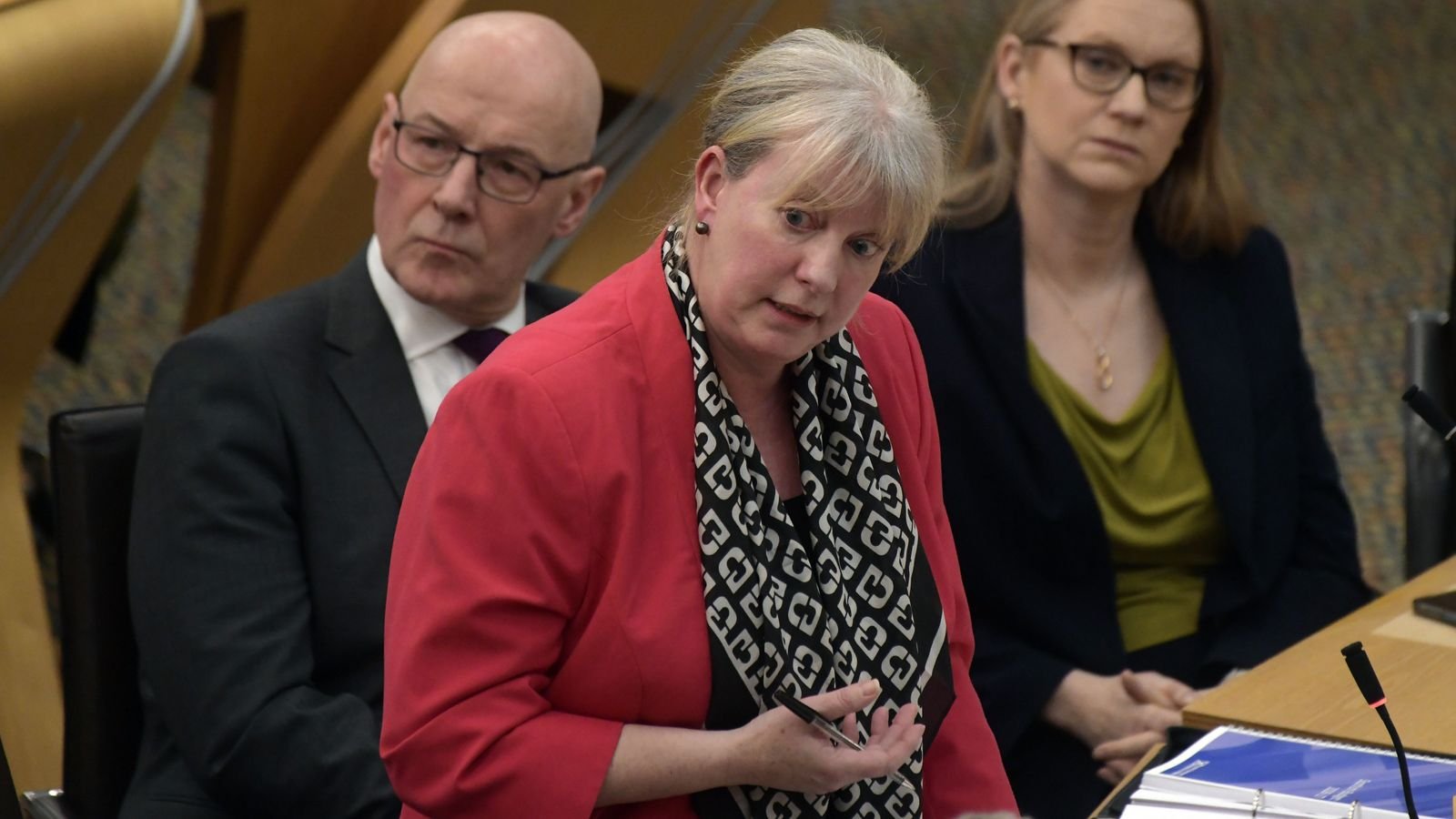
The Scottish government has presented its draft budget for the financial year 2026-27, featuring increased funding for the Scottish Child Payment and higher council tax for high-value properties. Finance Secretary Shona Robison announced these proposals at Holyrood, framing the budget as a commitment to improve living conditions for families and strengthen essential services like the NHS.
Key Proposals in the Draft Budget
As the SNP prepares for the upcoming Scottish parliamentary elections, the draft budget aims to garner support from voters by highlighting significant investments in social welfare and local infrastructure:
- Total Investment: Close to £68 billion will be dedicated to various initiatives in Scotland, contributing to an overall investment of approximately £200 billion when combined with other financial plans.
- Scottish Child Payment Increase: The weekly payment for families with children under one year old will rise to £40 starting in the 2027-28 financial year from its current rate of £27.15.
- New Council Tax Bands: By 2028, two additional council tax bands will be introduced for properties valued over £1 million.
- Local Government Funding: Funding for local councils will see a real-term increase of 2%, which Ms. Robison described as a fair settlement aimed at making reasonable decisions regarding council taxes.
- Tax Adjustments for Low Earners: The thresholds for basic and intermediate tax rates will rise by 7.4%, providing relief for lower-income households.
- NHS and Social Care Funding: The budget allocates £22.5 billion to health services, including £17.6 billion specifically for NHS frontline services.
- Private Jet Tax: A new levy targeting private jet travel will be introduced post-April 2027, marking a significant shift in taxation for wealthier individuals.
- Increased Educational Funding: Colleges will receive a 10% funding increase, amounting to an additional £70 million.
- Support for Communities: Targeted financial aid of £9 million is set aside for areas affected by the closure of the Fife Ethylene Plant.
- Transport Investments: Plans include nearly £200 million dedicated to the dual carriageway on the A9.
Political Context and Implications
This draft budget is significant as it is Ms. Robison’s final budget announcement before stepping down as an MSP in the forthcoming May elections. The SNP aims to leverage these proposals to sustain its governance in the face of rising competition from other political parties, such as Labour and Reform UK, in the lead-up to the elections.
Reactions from Stakeholders
Responses to the budget have varied across different sectors. Jamie Livingstone from Oxfam Scotland welcomed the introduction of the private jet tax, stating it underscores the government’s commitment to environmental responsibility. Meanwhile, Claire Telfer of Save the Children expressed optimism about the increased Scottish Child Payment, viewing it as a positive step toward fighting child poverty.
However, not all reactions have been positive. The Joseph Rowntree Foundation acknowledged the increase in child payment but cautioned that more action is necessary to tackle the persistent issue of child poverty, stating that significant details on the overall funding strategy are still lacking. The think tank IPPR Scotland referred to the budget as “tepid,” advocating for a comprehensive tax strategy to address the country’s financial challenges effectively.
Background
The Scottish budget is primarily funded through a block grant alongside locally generated taxes. Ministers at Holyrood are legally mandated to balance the budget amid financial constraints, and prior warnings from Scotland’s auditor general have indicated a looming funding deficit of nearly £5 billion by the decade’s end. As the draft budget moves towards parliamentary scrutiny, it remains to be seen whether the SNP can secure the necessary support to pass the proposals into law amidst political maneuvering and electoral pressures.
Source: Original Article






