At Least 2,000 Confirmed Dead Amid Ongoing Protests in Iran
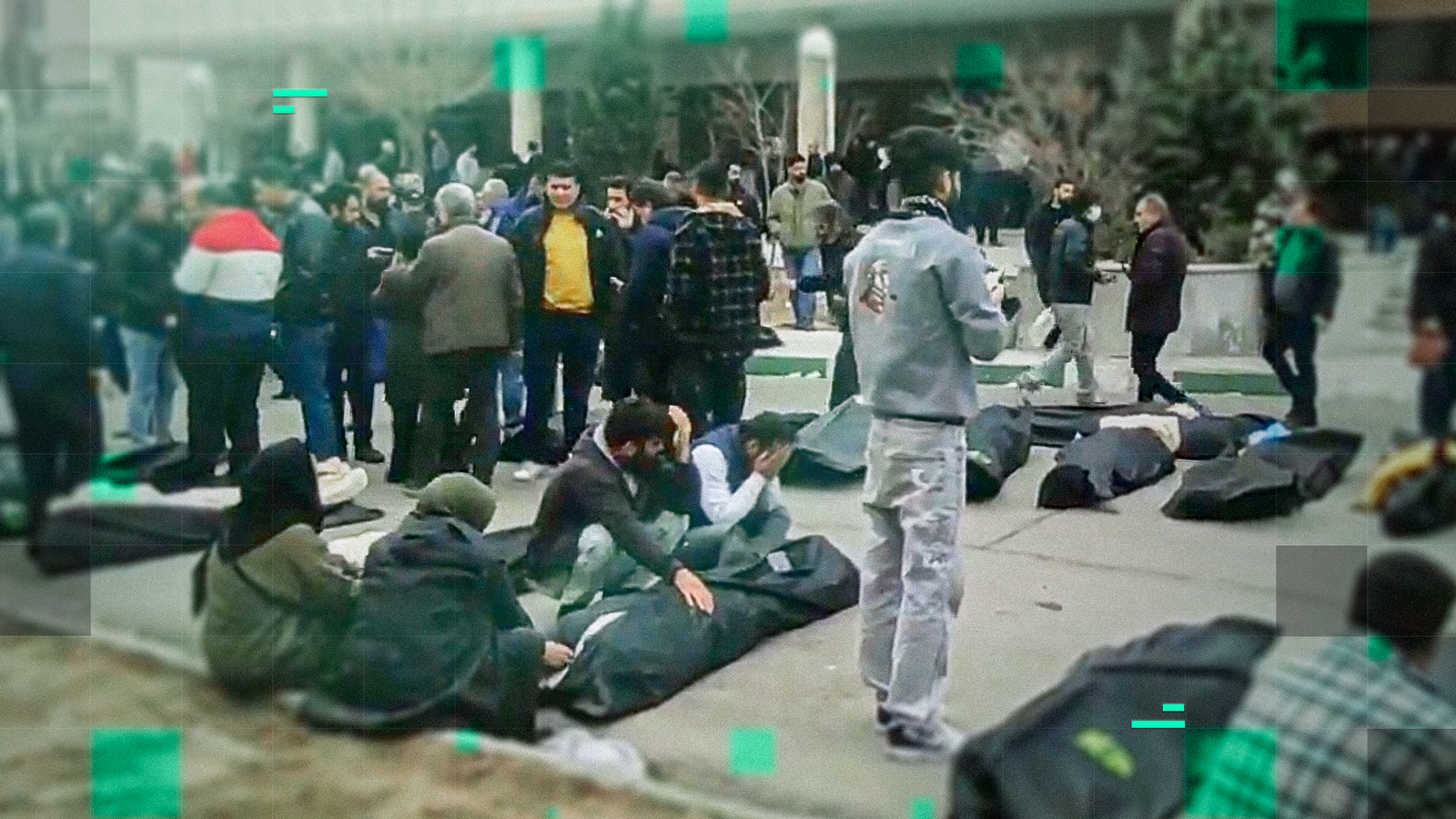
In Iran, a fierce wave of protests has resulted in the tragic death of at least 2,000 individuals over a two-week span. Among the deceased are a diverse group of people including a teenage footballer, a sculptor, and a popular hairdresser. These incidents underscore the escalating violence and unrest against the backdrop of a struggling economy and a repressive theocracy.
Details of the Death Toll
The Human Rights Activists News Agency (HRANA), an advocacy group based in the United States, reports that out of the total, around 1,847 are known to be protesters, while at least 135 fatalities are linked to government affiliations. The accuracy of these figures has been corroborated by Iranian officials, adding weight to the harrowing accounts emerging from the country.
As the demonstrations mount in intensity, the Iranian government has responded with severe measures including cutting internet access, further complicating efforts to gather accurate information about the violence and casualties.
Personal Stories from the Protests
The tragic human cost of the protests has been illustrated through the stories of several individuals:
Akram Pirgazi
Akram Pirgazi, a 40-year-old mother of two, became the first woman reported killed in the ongoing demonstrations. She suffered gunshot wounds in Neyshabur, ultimately succumbing to her injuries on January 7.
Mehdi Salahshour
A noted sculptor and father of two, Mehdi Salahshour, aged 50, was shot by government forces while taking part in protests in Mashhad on January 8. His contributions to the arts in Iran were recognized through nearly 20 exhibitions and educational activities.
Javad Ganji
The following day, filmmaker Javad Ganji was reported killed in Tehran as he engaged in protests against the regime. His work spanned various roles in the film industry, showcasing his dedication to Iranian cinema.
Shayan Asadollahi
On January 1, Shayan Asadollahi, a 28-year-old hairdresser with a substantial online following, was reportedly shot dead in Azna. His social media presence had garnered him over 50,000 followers, largely through hairstyling tutorials.
Ahmadreza Amani
Ahmadreza Amani, a 28-year-old trainee lawyer, also fell victim to the violence on the same day as Asadollahi. He was rushed to the hospital after being shot during the protests but could not be saved. His association with the Yazd Bar Association has raised calls for accountability regarding his death.
Rebin Moradi
The protests have also claimed the life of Rebin Moradi, a promising 17-year-old footballer. Moradi, a member of the Tehran Youth Premier Football League, was fatally shot during unrest on January 8. Following his death, social media condolences highlighted the tragedy of losing such young talent.
Wider Impact and Background
As social unrest deepens in the nation, over 10,700 individuals have been arrested amid the protests. The average age of confirmed casualties is approximately 27, raising concerns over the youth’s significant role and the broader societal implications of the upheaval.
The protests originated in response to Iran’s struggling economy but have since transformed into a more profound rejection of the ruling theocracy. As the situation continues to unfold, the death toll is expected to rise, drawing international attention and concern.
Conclusion
The ongoing protests in Iran highlight a critical moment for the nation’s future, raising questions about governance, human rights, and the voices of its citizens. The global community remains watchful as developments continue, underscoring the timeless truth that the quest for freedom and justice resonates universally.
Source: Original Article