






















Controversial Chinese Embassy Approval on the Horizon
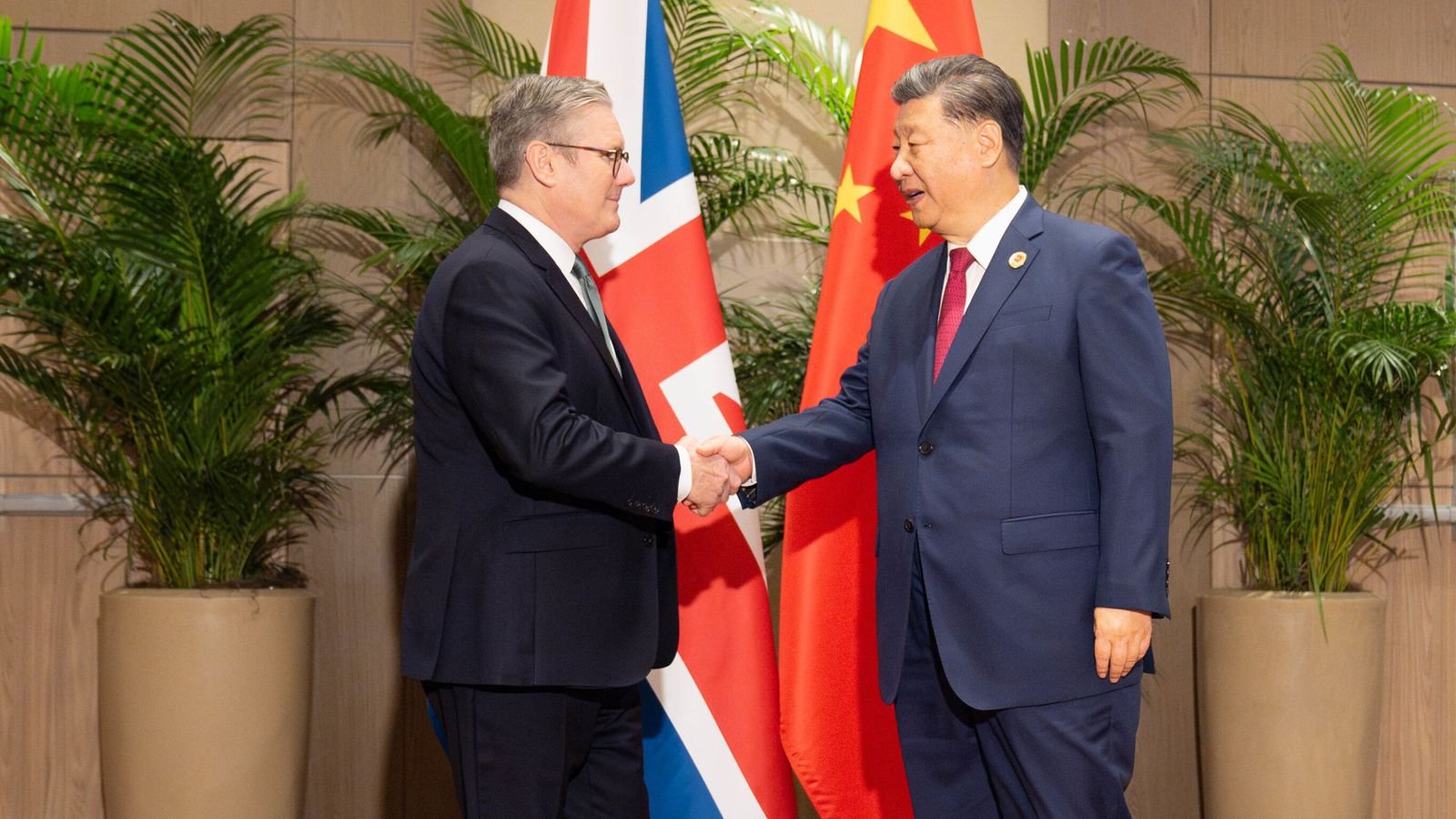
A decision regarding the long-debated proposal for a Chinese super embassy in London appears imminent, despite significant opposition from various political factions. Prime Minister Sir Keir Starmer is poised to finalize the plans soon, coinciding with an upcoming visit to China, which has sparked concerns over national security.
Political Pressures and Reactions
After facing extensive delays and political scrutiny, the Prime Minister is moving forward with the approval of the Chinese embassy, despite widespread trepidation from MPs across the political spectrum. Business leaders have expressed to Sky News’ city editor that the PM’s visit to China may depend on this embassy’s green light.
The timing of the embassy’s approval is crucial, as Sir Keir is expected to announce the date of his trip following high-profile meetings at the World Economic Forum in Davos, which concludes on 23 January.
Sir Keir Starmer’s Rationale
In recent speeches, Prime Minister Starmer has emphasized the necessity of re-engaging with China, citing that several international leaders have done so while the UK has lagged behind. He pointed out that the last visit by a British Prime Minister to China was in February 2018 under Theresa May, where substantial business agreements were made.
During his address at the Guildhall, he noted the lack of engagement with China as a “dereliction of duty,” stating that “we have not been standing up for our interests” and asserting that this must change.
Security Concerns Emerge
Opposition to the new embassy has heightened recently amidst revelations of potential security risks. Critics have expressed alarm over plans for a concealed chamber within the embassy, located next to crucial underground communications infrastructure that transmits sensitive financial data.
- Shadow security minister Alicia Kearns highlighted fears that such proximity to vital cables poses a risk to national security.
- Various Labour MPs have also reached out to the government, urging a halt to the planning process in light of increasing evidence of potential threats.
Dissent from Within Parliament
Significant hostility has emerged within Labour ranks, with MPs, including Sarah Champion, voicing concerns raised by multiple government agencies about the implications of the mega-embassy. Shadow justice secretary Robert Jenrick did not mince words, stating that no leader committed to UK national security would endorse the project, further underscoring the internal divisions over the issue.
Implications for the UK
The decision on the embassy is particularly consequential given the overwhelming opposition it faces, which underscores a wider debate about the UK’s stance towards China amid escalating geopolitical tensions. As Sir Keir prepares for his banquet with President Xi in Beijing, the fallout from this decision may leave a bitter aftertaste among many constituents back home.
Background
This proposed super embassy has been a focal point of heated discussions concerning UK-China relations and national security, particularly following accusations that China poses significant threats to western interests. The previous administration had adopted a more cautious approach regarding diplomatic engagements with Beijing, raising questions about the implications of a reinforced presence in London.
Source: Original Article






