






















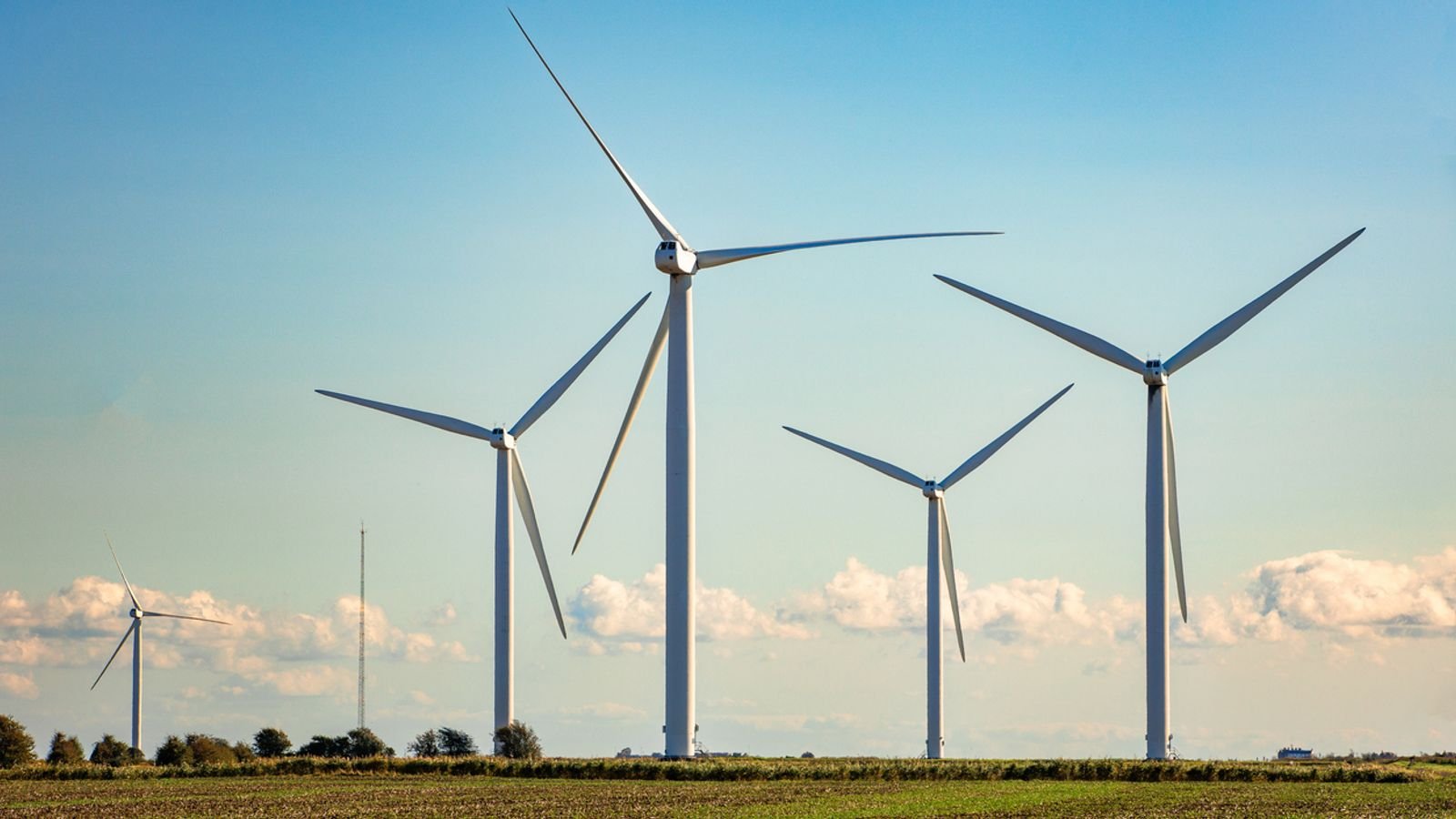
Britain’s Offshore Wind Auction Paves Path to 2030 Clean Power Goals
The UK government has announced significant progress toward its clean energy objectives for 2030, following a record-breaking offshore wind auction that allocated contracts for 8.4 gigawatts (GW) of new power generation. This capacity is sufficient to supply electricity to approximately 12 million homes. However, the auction’s strike price of £90.91 per megawatt hour (MWh) marks an 11% increase compared to last year’s figures, reigniting discussions on the rising expenses associated with renewable energy.
Political Reactions to the Auction Results
Energy Secretary Ed Miliband expressed optimism about the auction’s outcome, stating it enhances the UK’s energy independence and mitigates reliance on fluctuating fossil fuel prices, particularly natural gas. He described this initiative as a major victory for the nation, asserting that it would lead to lower energy costs for consumers in the long term and create thousands of jobs across the country.
On the other hand, Claire Coutinho, the Conservative spokesperson for energy, criticized the government for potentially locking families into higher energy bills for decades. She argued that the auction secured some of the highest prices for offshore wind seen in a decade, which could offset any initial cost-saving projections.
Financial Implications and Future Prospects
The offshore wind auction aims to prompt a transition away from volatile natural gas, which has significantly impacted energy prices, especially following global events such as the conflict in Ukraine. The contracts are expected to attract around £22 billion in private investment across various regions of the UK, creating approximately 7,000 jobs.
The Contracts for Difference mechanism, used in this auction, assures developers that they will receive the agreed strike price for every MWh generated, which provides some security against market fluctuations. However, if market prices rise above the strike price, the difference is repaid by the developers. The government has allocated £900 million in budget for this auction round, and contract lengths were extended to 20 years to entice bidders.
Challenges Ahead
Despite this optimistic development, challenges remain. The UK currently possesses 16.6 GW of operational offshore wind capacity, with an additional 11.7 GW under construction. Analysts highlight that achieving the clean power target of 43 GW by 2030 will require a concerted effort to add at least 14.7 GW more capacity.
Critics within the political landscape argue that the rising strike prices indicate an uncompetitive market that could lead to higher consumer bills, while supporters emphasize the long-term economic benefits of a transition to renewable energy sources. Analysts assert that the increased capacity could potentially reduce overall wholesale prices by diminishing reliance on natural gas, which currently influences market pricing significantly.
Background
This latest auction is part of the UK government’s broader strategy to meet its ambitious energy goals, which include achieving 95% of power generation from low-carbon sources by 2030. Previous auctions have seen fluctuating strike prices, with a notable rise from £51 per MWh in 2021 to the current figure, highlighting the inflation pressures and financing challenges within the renewable energy sector.
As the UK grapples with soaring energy costs, the success or challenges of these offshore wind initiatives will have profound implications for the country’s energy landscape and economic future.
Source: Original Article






