






















UK’s Pioneering Mine Water Heat Living Laboratory Gains Global Interest
One year after its inception, the UK’s first mine water heat Living Laboratory in Gateshead is drawing attention from international researchers, particularly from Europe and the United States. The initiative aims to utilise data from real-world mine water systems to expedite the development of low-carbon heating solutions.
Overview of the Living Laboratory
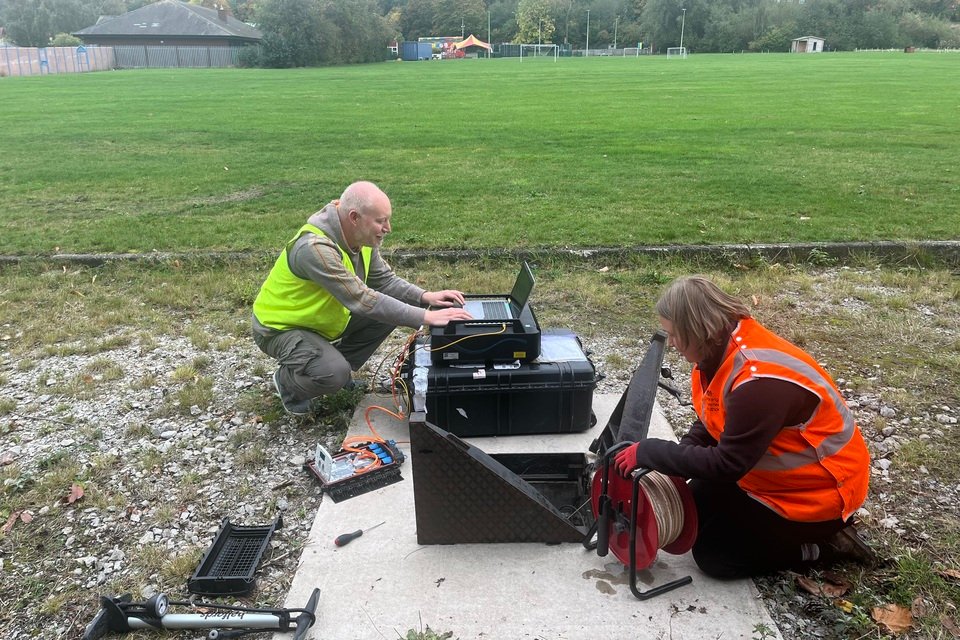
Managed by the Mining Remediation Authority, this unique open-access Living Lab monitors the interactions of three operational mine water heating systems in North East England. Noteworthy participants include the Gateshead Energy Company’s mine water heat network and a privately funded project near Lanchester Wines. Over the past year, the project has accumulated extensive data on thermal, hydrological, and geophysical aspects, establishing itself as a critical resource for scientists, engineers, policy makers, and energy operators.
International Collaboration
Among the many researchers engaged with the Living Lab is a team from the Lawrence Berkeley National Laboratory, affiliated with the University of California and the US Department of Energy. Dr. Christine Doughty, a Staff Scientist, expressed enthusiasm about the potential of mine water geothermal resources for heating in the UK and beyond. She stressed the importance of systematic research to better harness these resources.
Furthermore, a German research team from Fraunhofer Research Institution for Energy Infrastructures and Geotechnologies IEG has also linked up with the Living Lab. Elke Mugova, a mine water researcher, highlighted the opportunity to compare high-resolution thermal and hydraulic data from their sites with those in Gateshead, aiding in a deeper understanding of mine water systems across varied geological settings.
Data Utilisation and Future Goals
Dr. Fiona Todd, project lead at the Mining Remediation Authority, remarked on the rarity of accessing comprehensive real-world mine water data. The collective interest from national and international entities showcases the value of creating a shared resource that facilitates learning. The open dataset is already aiding various academic institutions and industry partners in different research endeavors, including undergraduate and MSc projects, as well as PhD proposals exploring related fields.
Researchers from multiple UK universities, including Leeds, Durham, and Edinburgh, are actively participating, and innovations in technology have been trialed at the Gateshead site. This has inspired new research initiatives that will leverage the Living Lab’s distinctive infrastructure.
Long-Term Impact
The Living Lab is recognized not only for its immediate contributions but also for its future implications in sustainable energy solutions. The initiative is part of a broader strategy aligning with the UK government’s objectives for clean energy. Utilising warm water from flooded former coal mines, these schemes offer an opportunity to significantly reduce carbon emissions from heating in about a quarter of UK dwellings that sit above historical mining sites. Current operations in Gateshead already supply low-carbon heat to approximately 350 homes and businesses, with plans for further developments.
The Mining Remediation Authority oversees over 80 mine water treatment projects across the UK, positioning it at the forefront of exploring sustainable uses for old mining sites. As research continues and data accumulates, the authority plans to share additional findings that could influence national policy and promote innovative industry practices.
Source: official statements, news agencies, and public reports.
https://www.gov.uk/government/news/global-interest-at-mine-heat-living-lab-one-year-milestone






