Diving into the Cold: British Antarctic Survey Tackles Climate Challenges
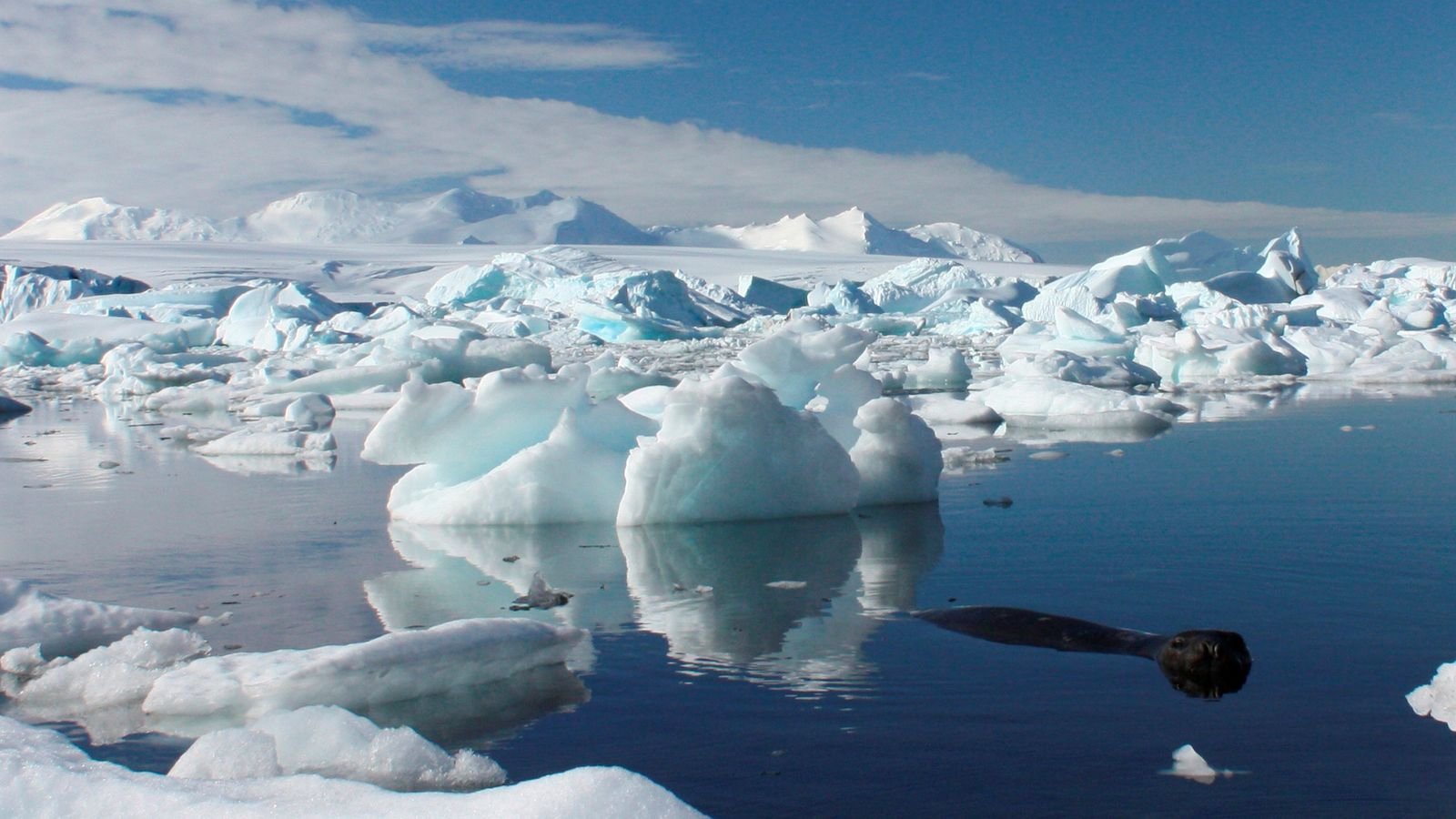
The British Antarctic Survey (BAS) has embarked on a research initiative in the frigid waters surrounding the Rothera research station, where temperatures currently hover around -1°C, despite it being summer in the Antarctic. This unique underwater environment holds a vibrant ecosystem of microscopic life, critical for understanding how marine life responds to climate change.
Unique Ecosystem
While many may not consider the icy depths a prime scuba diving location, the divers from BAS are enthused about exploring these cold waters. Marine biologist Pati Glaz expressed particular interest in the abundant starfish, some of which possess an unusual 40 arms, while her colleague, Matt Bell, highlighted the phenomenon of “polar gigantism.” This occurs when species exclusive to icy oceanic conditions grow significantly larger than their temperate counterparts due to the high level of dissolved oxygen in cold water.
The Biological Clock
Professor Lloyd Peck, a leader in marine biology research at BAS, noted the implications of a warming Antarctic on local species, many of which have long lifespans and slower reproductive rates. For example, Antarctic starfish may require hundreds of days to reproduce, in stark contrast to their UK relatives that reproduce in a matter of weeks. A slight increase in water temperature could disrupt these cycles, causing larvae to hatch at times that are detrimental to their survival.
The Research’s Importance
For nearly three decades, BAS has monitored the same seabed sites, providing valuable data to identify shifts in the ecosystem due to climate change. As the Antarctic warms, with an average increase of nearly one degree since the research began, the urgency to assess the resilience of these marine systems grows.
Diving Dangers
Diving in such extreme conditions presents its challenges. Divers are equipped with specialised dry suits and thick gloves, and surface spotters are designated to monitor for potential wildlife dangers, such as predatory leopard seals and killer whales. Past incidents have led to strict protocols to abort dives if these animals are sighted nearby.
Understanding Sub-Zero Biology
The research conducted by BAS goes beyond merely observing the ecosystem; it aims to unravel the complexities of life in sub-zero environments. Current scientific understanding of biology in freezing temperatures remains limited, yet knowledge of protein stability at low temperatures could have far-reaching implications, not only for marine life but also for medical science.
Ecological Recovery
In a promising turn, divers have reported unprecedented sightings of humpback whales around Rothera, with counts reaching between 30 and 40. This resurgence follows a ban on whaling enacted 40 years ago. Additionally, receding sea ice has allowed these majestic creatures to return to areas they have not inhabited in thousands of years.
Background
Antarctica has undergone significant ecological changes, absorbing vast amounts of atmospheric carbon over geological eras, contributing to past ice ages. However, the rapid rate of current warming poses unprecedented challenges that may outpace the ability of local ecosystems to adapt. As the world grapples with climate change, understanding these fragile Antarctic ecosystems is critical not only for wildlife conservation but also for grasping broader climate dynamics.
Source: Original Article