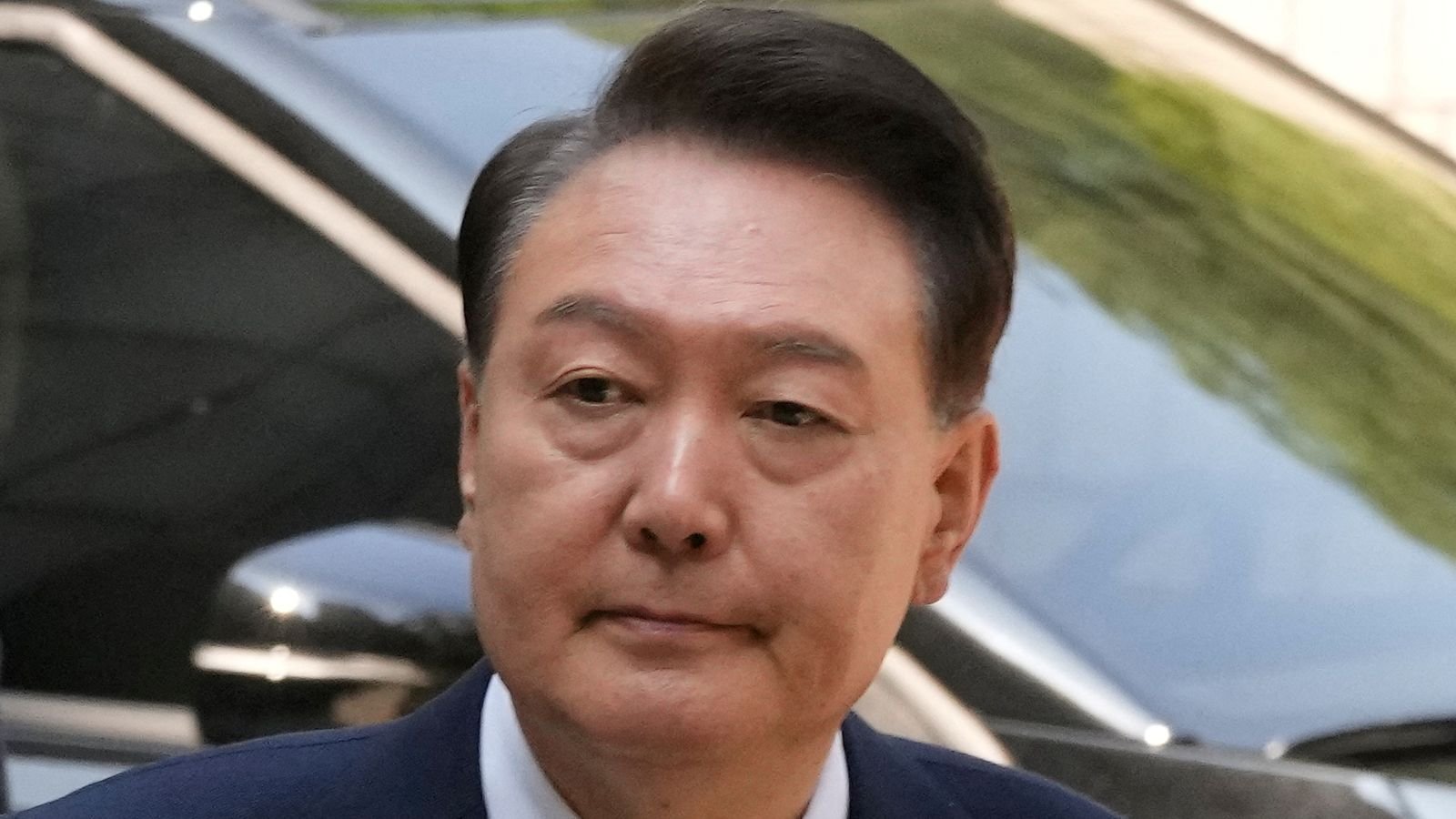
South Korea’s Former President Sentenced for Martial Law Misconduct
Yoon Suk Yeol, the ex-president of South Korea, has been sentenced to five years in prison after being convicted of abuses related to a controversial martial law declaration. A Seoul court found him guilty of obstructing justice while mobilising the presidential security service to evade authorities who were investigating the legality of his actions.
Details of the Conviction
The Seoul Central District Court ruled on Friday that Yoon had engaged in illegal activities by fabricating official documents and neglecting the required legal processes associated with martial law, which stipulates that such declarations must be addressed in formal cabinet meetings. The court stated that Yoon leveraged his position to hinder legitimate warrants for his arrest, effectively prioritising personal safety over constitutional obligations.
The judge noted Yoon’s lack of remorse throughout the proceedings, emphasising the gravity of his actions as a deviation from the duties entrusted to him as president. Yoon had previously claimed that the declaration was a necessary response to challenges posed by a liberal parliament obstructing his agenda, insisting he had no intention of imposing long-term martial law.
Charges and Consequences
The ruling marks the first criminal conviction of a former South Korean president concerning a martial law declaration. His controversial action on December 3, 2024, was overturned by parliament within hours, leading to widespread protests calling for his resignation. Yoon was subsequently impeached in December and officially removed from office by the Constitutional Court in April.
Yoon’s legal woes do not end here; he faces separate charges in another trial where prosecutors are seeking the death penalty, asserting that his declaration amounted to rebellion. The culmination of events included Yoon barricading himself in his residence and the involvement of over 3,000 police officers in his arrest.
Reactions and Future Steps
Yoon’s legal representative, Yoo Jung-hwa, expressed disappointment over the ruling, suggesting the decision was influenced by political motivations. Yoon has indicated plans to appeal the sentence, casting doubt on the impartiality of the court’s ruling.
The situation surrounding Yoon carries significant implications not just for South Korea but for democratic governance worldwide, as it raises questions about the limits of presidential power and accountability.
Background
This unprecedented case is set against a backdrop of political tension in South Korea, where Yoon’s actions had sparked a national debate on governance and civil liberties. His tenure has been marked by division and discontent, culminating in a loss of public trust and the first-ever impeachment of a South Korean president.
As the situation unfolds, analysts will be closely observing the response from both domestic and international communities regarding the implications of judicial decisions on political stability in the region.
Source: Original Article