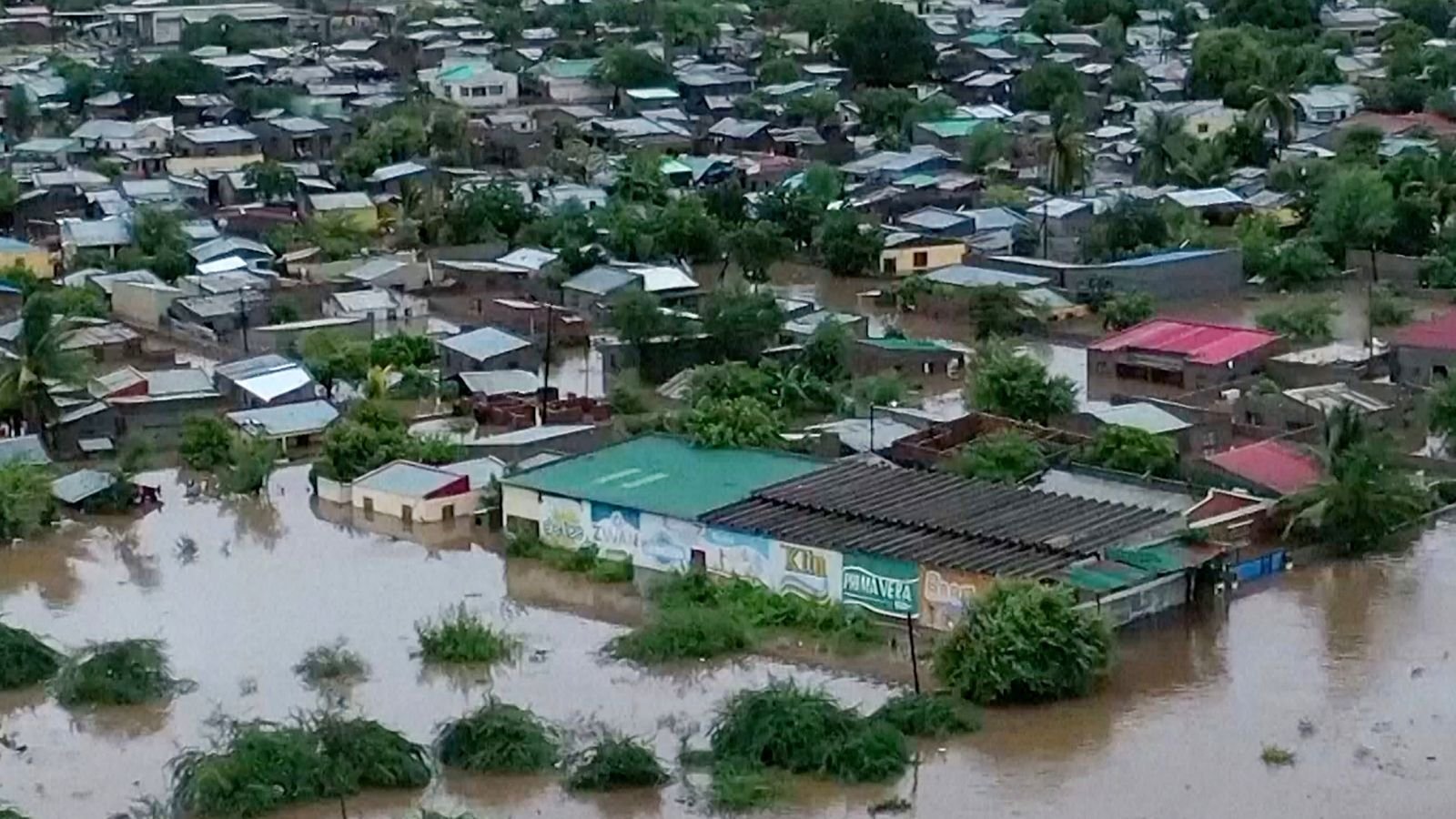
Severe Flooding in Southern Africa Claims Over 100 Lives
Heavy rainfall has led to devastating floods across Southern Africa, resulting in the deaths of at least 103 people in South Africa alone. With ongoing warnings of further severe weather, humanitarian agencies are mobilising to assist the hundreds of thousands affected by the crisis across the region, including Mozambique and Zimbabwe.
Impact on Mozambique and Zimbabwe
In Mozambique, particularly in its central and southern regions, more than 200,000 individuals have been impacted by the flooding, with extensive damage reported to family homes. The World Food Programme has noted that approximately 173,000 acres of agricultural land—vital for staple crops such as rice and maize—have been rendered unusable due to excessive flooding.
Zimbabwe is also grappling with the aftermath of heavy rains, where at least 70 fatalities have been recorded alongside significant structural devastation. Thousands of homes have been lost, and vital infrastructure, including schools, roads, and bridges, has collapsed.
The Situation in South Africa
In South Africa’s Limpopo and Mpumalanga provinces, nearly 19 fatalities have been reported following relentless rainfall that began last month. President Cyril Ramaphosa recently highlighted the severe weather, noting that over 15 inches (38cm) of rain has fallen within a week in some areas, resulting in substantial flooding.
During a visit to Limpopo, President Ramaphosa observed complete devastation, stating that entire homes had been obliterated. Around 600 tourists and staff members were airlifted from Kruger National Park as rising waters trapped them in several parts of the park, which has now become largely inaccessible due to washed-out roads and bridges.
Rescue and Relief Efforts
The South African Army has deployed helicopters to conduct rescues, targeting individuals stranded on rooftops and in trees in northern regions of the country. Authorities have issued red-level alerts, cautioning residents about the potential for additional heavy rains, which could exacerbate the ongoing crisis.
Background
Flooding is not new to this region, having historically been exacerbated by seasonal climate patterns. The current weather events are seen as part of a larger trend impacting southern Africa, which has been susceptible to extreme weather variations. The ongoing crisis serves as a reminder of the region’s vulnerability to climate-related disasters, highlighting the urgent need for effective preparedness and response systems.
Similar flooding has also affected neighboring nations, isolating entire communities and complicating relief efforts. In Madagascar, for example, reports indicate that 11 people have lost their lives since late November due to flooding.
As the situation evolves, international observers and humanitarian organisations are closely monitoring developments, urging readiness and support for those affected by these catastrophic weather events.
Source: Original Article