






















Parents of Deceased Children Pursue TikTok in US Court
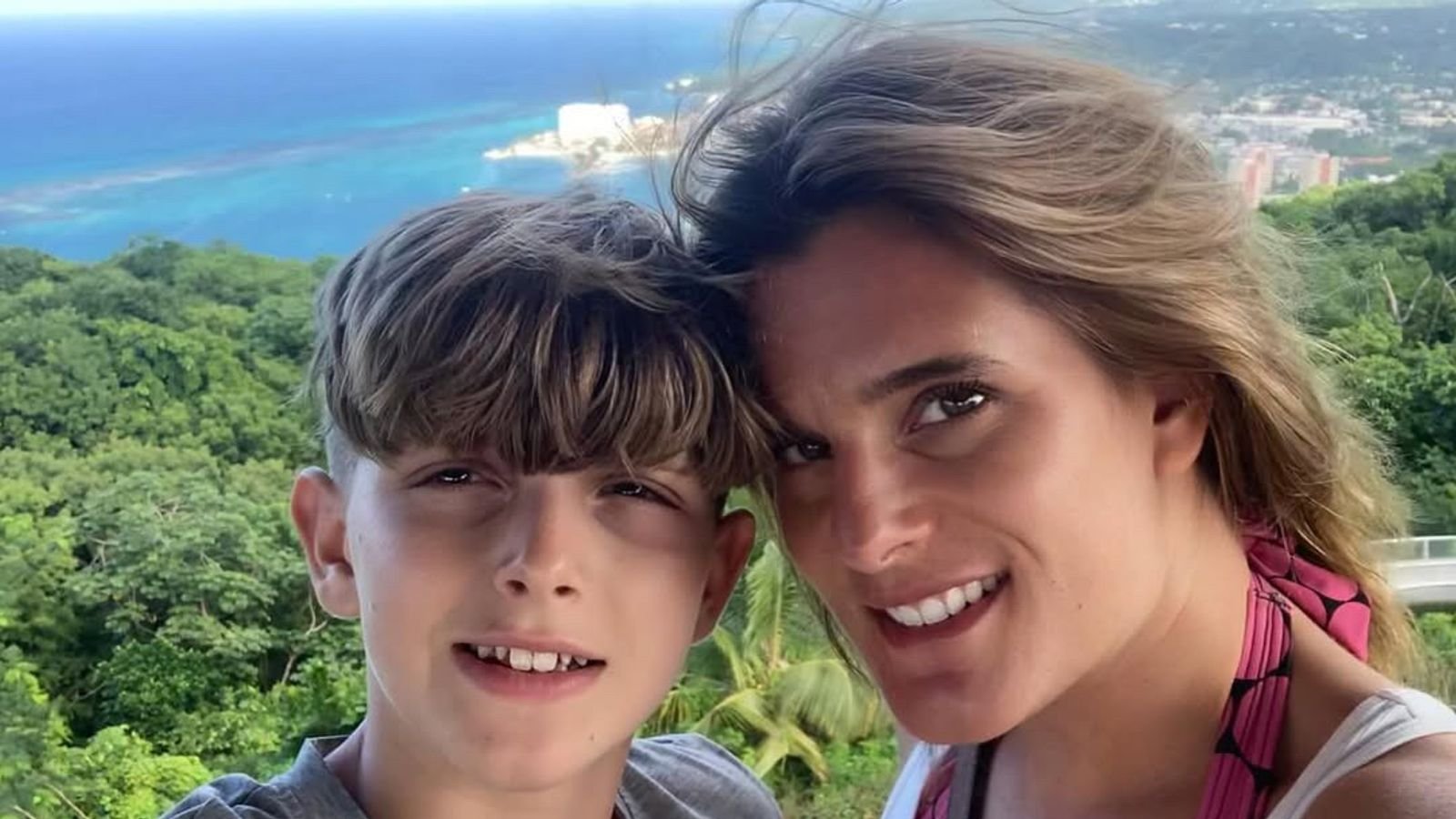
A group of British parents, including Ellen Roome, whose 14-year-old son passed away in 2022, are taking legal action against TikTok following the tragic deaths of five children. The case, raised in a US court, aims to hold the social media platform accountable for alleged wrongful deaths linked to dangerous online challenges.
The Hearing and Its Emotional Toll
Last week, Ms Roome, 49, made her way to Delaware to attend a court hearing as part of a lawsuit filed by the Social Media Victims Law Centre against TikTok and its owner, ByteDance. Describing the experience as “deeply painful,” she shared her emotional struggle as legal proceedings focused on technicalities while the lived experiences and grief of the families loomed silently in the background.
Ms Roome’s son, Jools Sweeney, died in Cheltenham, and the parents involved believe their children were influenced by a viral challenge on TikTok. Although they lack direct evidence, the case seeks to explore the platform’s data to ascertain its potential role in these tragic incidents.
Push for Accountability
The bereaved parents are asserting that TikTok’s inaction concerning safety protocols contributed to the deaths of their children. They are pursuing the case to compel TikTok to recover data that may clarify what content the children accessed prior to their deaths. In a poignant statement on social media, Ms Roome conveyed their relentless commitment to seek justice for their children, regardless of the outcome of this initial hearing.
Legal Context
The lawsuit also highlights broader concerns about social media platforms and their impact on child safety. All deceased children reportedly attempted the so-called “blackout challenge,” a dangerous stunt that challenges participants to cut off their breathing temporarily. Despite being banned on major platforms, these challenges still reach vulnerable young audiences.
In its defense, TikTok argues that UK residents cannot pursue legal action against US entities, citing applicable laws that generally shield platforms from liability for user-generated content. A spokesperson for TikTok expressed condolences to the families and emphasised the platform’s active measures to eliminate harmful content.
Background
This legal action follows increasing scrutiny of social media companies regarding their responsibilities towards minors. Advocates have long called for robust measures to protect children online, particularly against addictive features that may expose them to harmful behaviours. Ms Roome, who previously headed a financial business, has dedicated her efforts to advocating for “Jools’ Law,” which seeks to grant parents access to their deceased children’s online data without judicial hurdles.
As the parents await the judge’s decision on whether their case will proceed, they hope to uncover the truth about their children’s last moments and advocate for stronger protections for other young users. The outcome of this case may set important precedents for accountability within the social media landscape.
Source: Original Article






