Protests in Iran Escalate Amid Allegations of Violence
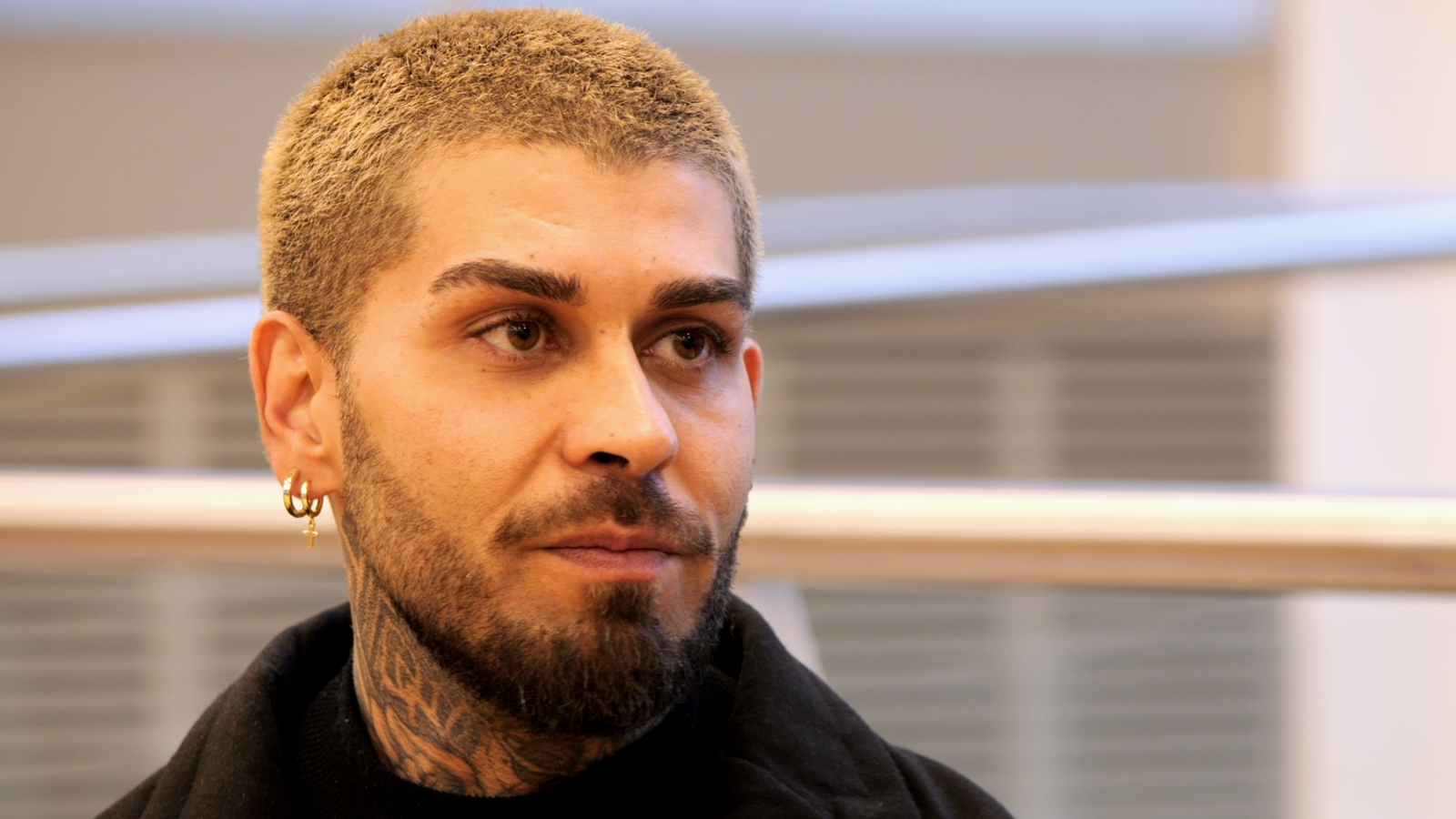
A prominent Iranian musician, Meraj Tehrani, who has been involved in nationwide protests, has described the current situation in Iran as a “massacre on the streets.” His comments suggest the involvement of foreign forces aimed at suppressing the ongoing demonstrations, which began as protests against economic hardships and have now escalated into calls for regime change.
Eyewitness Account from the UK
Tehrani, who now resides in the UK, recounted to Sky News how he returned to Iran in early January while protests erupted across the nation. Initially driven by widespread discontent over the failing economy, these protests have escalated into a broader challenge to the ruling government, resulting in significant violence.
Tehrani noted that the government’s initial surprise over the size of the protests was evident, as millions took to the streets. Following the large turnouts, a swift internet shutdown was enforced to hinder communication.
Rising Casualties and Government Response
On Saturday, Iran’s Supreme Leader, Ali Khamenei, acknowledged that “several thousand people” had lost their lives during the unrest. According to activists based in the US, the Human Rights Activists News Agency confirmed that at least 3,090 deaths, including 2,885 among the demonstrators, have been recorded as a result of the government’s violent crackdown.
Tehrani detailed witnessing the use of non-lethal munitions and tear gas, but stated that the violence escalated significantly with the involvement of the revolutionary guard. He described watching a horrific scene where bodies were left in the streets as a warning to others, sending a chilling message to potential demonstrators.
Claims of Foreign Intervention
The rapper suggested that foreign militia, including groups from Iraq, might have been deployed by the Iranian government to quell the unrest, noting their tactical approach in targeting protestors. He emphasized that such actions indicate a drastic loss of life, stating, “One person’s life matters in any nation, and thousands of people have been killed in a very aggressive way.”
Amid these troubles, Tehrani expressed a belief that the regime’s days could be numbered, potentially within “less than two months.” He criticized the international community for a lack of action and support, questioning the silence from European leaders.
Public Sentiment Amid Unrest
Despite the violence and turmoil, Tehrani conveyed a sense of hope amongst the populace, as varied citizens united in calls for change. He remarked, “I’ve never seen an Iranian mood like that,” highlighting the unprecedented unity and determination heard in the chants of protestors.
Tehrani’s personal safety is now at risk, as he has received threats on social media that compel him to avoid returning to Iran, fearing for his life if he were to do so. Nevertheless, he remains committed to representing the voices of the Iranian people, asserting, “How can we be terrorists? We just want a better life. We just want freedom.”
Background
These developments follow a history of civil unrest in Iran, often met with severe governmental crackdowns. The current demonstrations have brought renewed focus on the Iranian regime’s human rights record and the global response to such crises, underscoring the challenges faced internationally in addressing authoritarian governance.
As the situation progresses, it raises significant questions about the balance between national sovereignty and the international community’s obligation to uphold human rights, especially in contexts of mass protests against established regimes.
Source: Original Article