






















UK Government Stands Firm on Greenland’s Sovereignty Amid US Tariff Threats
The UK government has reaffirmed its unwavering stance on Greenland, insisting that any decisions regarding the island’s future rest solely with its people. This declaration comes in the wake of US President Donald Trump’s announcement of impending tariffs on UK and European goods, supposedly as leverage in discussions aimed at the acquisition of Greenland.
Trump’s Tariffs and their Implications
On Saturday, President Trump revealed plans to impose a 10% tariff on imports from the UK and other European nations beginning February 1, with this rate set to escalate to 25% by June 1. The nations affected include Denmark, Norway, Sweden, France, Germany, the Netherlands, and Finland.
These tariffs, described by Trump as applicable “on any and all goods” imported into the US, are reportedly a negotiating tactic focused on persuading Denmark to sell Greenland. The island, located in the North Atlantic, functions as a semi-autonomous territory under Danish governance, especially regarding foreign affairs and defence policies.
UK’s Reaction to US Position
In response to Trump’s announcements, the UK government officials have strongly refuted any notion that the US has a say in Greenland’s governance. Sir Keir Starmer, leader of the Labour Party, labeled the tariffs as “completely wrong,” reinforcing the UK’s view of Greenland’s future as an internal matter for its inhabitants and Denmark.
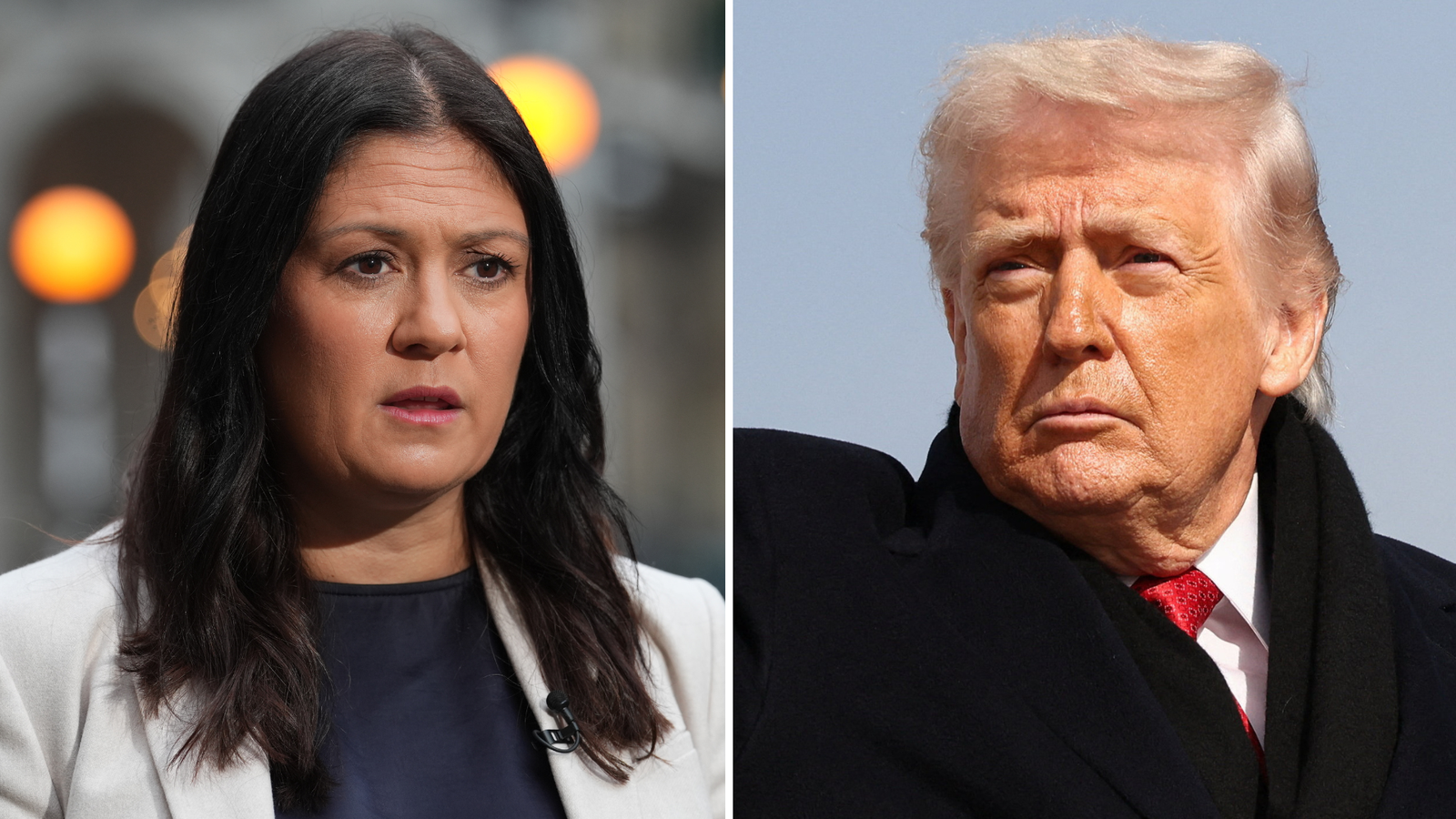
Culture Secretary Lisa Nandy echoed this sentiment, stating, “The future of Greenland is for the people of Greenland and the people of the Kingdom of Denmark to determine, and for them alone.” She highlighted that the UK’s position on this matter is “non-negotiable,” reiterating the commitment to communicate this clearly with US counterparts.
Concerns Over Economic Impact
The threat of US tariffs has raised alarm among various UK stakeholders. Zia Yusuf, head of policy for Reform UK, expressed deep concern regarding the potential economic fallout from increased tariffs on British manufacturers and workers. He noted that the situation could exacerbate existing challenges in the UK’s manufacturing sector.
Calls for Global Cooperation
During media interactions, Nandy emphasized the importance of collaboration between nations, suggesting that the situation necessitates dialogue rather than division. While she refrained from confirming whether the UK would retaliate with its own tariffs, she stressed the importance of maintaining strong international relationships to facilitate constructive discussions moving forward.
International Perspectives on Sovereignty
The international community has also weighed in on this situation. Annalena Baerbock, the current president of the United Nations General Assembly, asserted that sovereignty belongs to the people of each nation. She underscored the need for self-determination and highlighted international law regarding issues of annexation and military aggression.
With EU ambassadors scheduled for an emergency meeting to address the tariff threats, it remains uncertain whether UK representatives will participate in the discussions.
Background
The issue of Greenland has resurfaced periodically in international discussions, particularly given its strategic importance and natural resources. The recent focus on potential US acquisition sparks debates about colonial attitudes and the historical context of Greenland’s governance under Denmark.
As events unfold, the stakes for both the UK and Greenland appear significant, highlighting the delicate balance of international relations in the face of economic pressures and questions of sovereignty.
Source: Original Article






