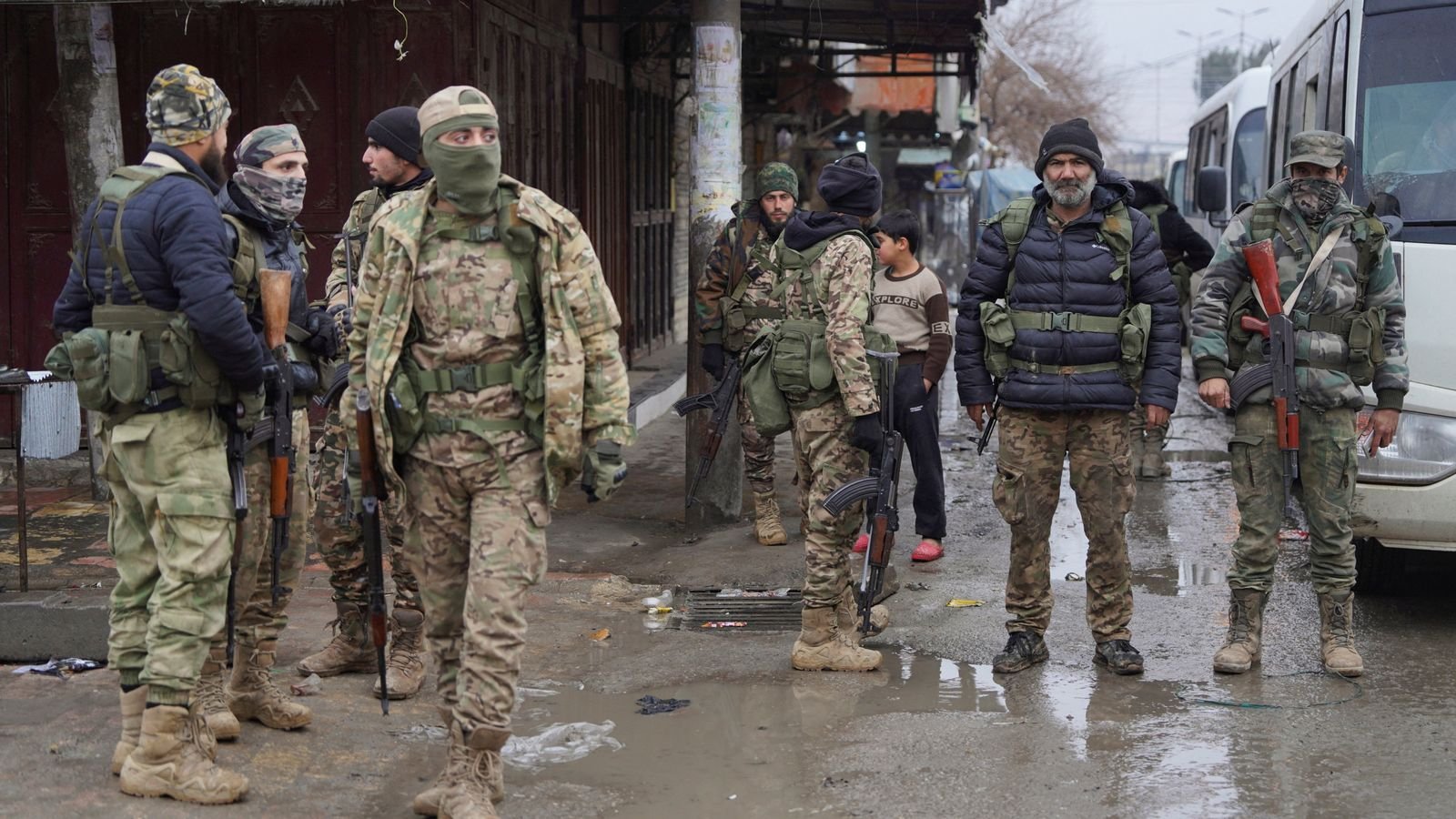
Syrian Military Gains Control Over Key Oil and Gas Fields
The Syrian armed forces have successfully taken control of the nation’s largest oil field, along with a significant gas facility, following clashes with the US-supported Kurdish-led forces. This development marks a significant shift in the balance of power in northeastern Syria, impacting regional dynamics and the ongoing conflict’s trajectory.
Strategic Losses for Kurdish Forces
The capture of the Omar oil field, situated east of the Euphrates River, represents a substantial economic setback for the Kurdish-led Syrian Democratic Forces (SDF). Previously a vital revenue source for the SDF, the oil field’s loss could undermine their self-administered governance in the region. The Syrian army has also secured the Conoco gas field in Deir Zor province, further consolidating its grip over valuable resources.
Government’s Justification
Officials within the Syrian government argue that the control of oil wealth by the SDF has deprived the state of essential financial resources. President Ahmed al Sharaa voiced strong opposition to a militia holding a quarter of the nation and monopolising crucial commodities. This statement reflects a broader intent to regain complete sovereignty over the country after over a decade of civil war.
Escalation Despite US Intervention
The Syrian military’s advances included the northern city of Tabqa and its adjacent dam, as well as the Freedom Dam, formerly known as the Baath Dam, located west of Raqqa. The offensive continued despite calls from Washington urging the cessation of hostilities. Brad Cooper, commander of the US military’s Central Command, issued a statement urging Syrian forces to halt their offensive in areas between Aleppo and Tabqa.
Kurdish Retreat and Conditions of Conflict
In preparation for the capture of these strategic assets, Syrian troops had gathered around a cluster of villages west of the Euphrates, urging SDF personnel to relocate across the river. The SDF later cited violations of the agreement by Syrian forces, claiming they moved into territories not designated in the withdrawal deal, which included Deir Hafer and surrounding areas. Both sides have reported casualties, although specific numbers remain unverified.
International Concerns and Future Negotiations
France’s President Emmanuel Macron reached out to President Sharaa expressing apprehension over the ongoing military actions against Western-aligned Kurdish forces, urging a permanent ceasefire. Although talks occurred last year to integrate Kurdish entities into the Syrian government framework, little progress has been made, leading to renewed hostilities in Aleppo earlier this month.
Background
The complexities of the Syrian conflict involve a multitude of factions, including the government forces, Kurdish groups, and other rebel factions. The US had historically supported the SDF in their battle against Islamic State, adding another layer to the already intricate geopolitical landscape in the region. As the Sun moves towards reunification under the current administration, the confrontation between Kurdish authorities and government forces highlights the ongoing struggle for power and control in post-conflict Syria.
Source: Original Article