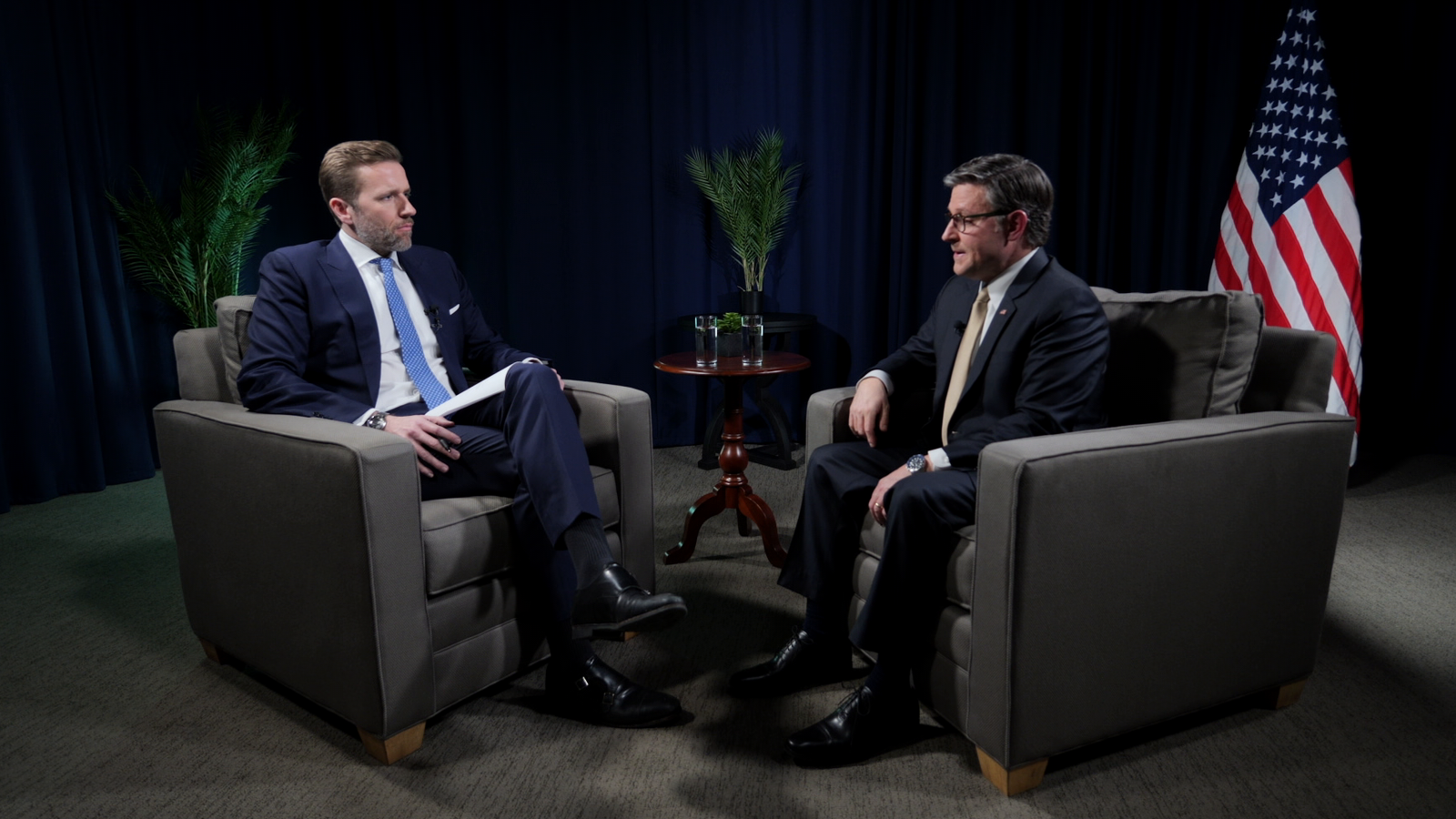
US Speaker Expresses Concerns Over Chinese Embassy in London
The Speaker of the House of Representatives, Mike Johnson, has voiced disappointment that the United States was unable to secure a prime site in London for a new Chinese embassy. Speaking to Sky News ahead of his address to the UK Parliament, Johnson highlighted the symbolic implications of the site’s acquisition by China and expressed concerns about the implications of such a prominent diplomatic presence near sensitive communication infrastructures.
Concerns Over Location and Symbolism
During the interview, Johnson remarked on the strategic significance of the location at Royal Mint Court, suggesting it would have been more appropriate for a U.S. embassy. “That’s a great location for an embassy. I wish the U.S. had taken that spot instead of China,” he stated. He elaborated that having a so-called “mega-embassy” in such a prime area sends a certain message about China’s growing influence in the region, which raises concerns for U.S. allies.
Protests against the proposed embassy have already begun, with demonstrators rallying outside the site in advance of an impending decision regarding its establishment. Johnson’s comments reflect broader trepidations regarding China’s expanding diplomatic footprint.
Calling for Caution in Trade Relations
As UK Labour leader Sir Keir Starmer is set to visit China later this month, Johnson urged British leaders to be judicious in their dealings with Beijing, particularly in light of ongoing tensions and tariff threats from former President Donald Trump. “I wish that there was a lesser reliance upon China for everyone around the world,” he added, emphasising the need for prudent international relations.
Discussion on Military Action and Immigration Enforcement
Addressing another pressing issue, Johnson was asked whether any potential military actions involving Greenland would require Congressional approval. He underscored that under U.S. law, such actions could not proceed without Congressional consent, dismissing speculation of unilateral military operations. “I don’t foresee any scenario where we’re declaring war on Greenland,” he stated.
Furthermore, he discussed the contentious activities of Immigration and Customs Enforcement (ICE) in the U.S., defending the agency amidst criticism following a violent incident in Minneapolis that resulted in the death of an individual. Johnson contended that the tensions were exacerbated by local officials encouraging interference with ICE operations and stressed that law-abiding citizens should not fear law enforcement actions.
Future of US-UK Relations
Looking ahead to his historic address to the UK Parliament—the first by a sitting U.S. Speaker—Johnson reaffirmed the strong ties between the United States and the United Kingdom. He noted their shared values and historical bonds, forged through significant events in the 20th century. His speech commemorates 250 years since American independence, symbolising the enduring nature of the transatlantic relationship.
Background
The proposed Chinese embassy has attracted attention not only for its scale but also for its location near critical infrastructure, igniting debate about foreign influence and security in urban environments. Amidst rising geopolitical tensions, especially regarding China and the U.S., discussions about diplomatic presence are increasingly significant for future international relations.
Source: Original Article