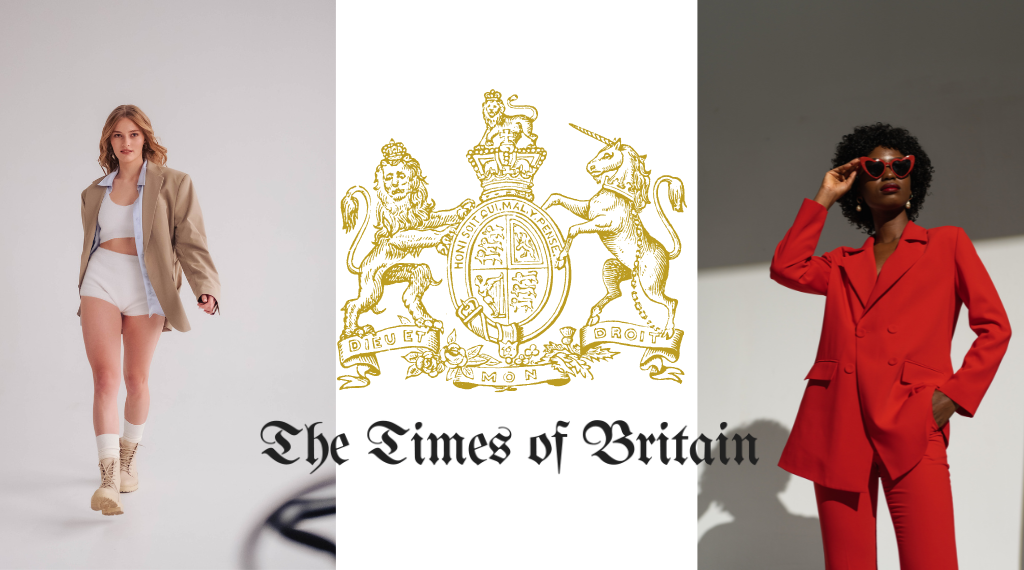
Fashion has always been a reflection of societal changes, innovations in materials, and artistic expression. This comprehensive timeline explores the evolution of fashion across the decades, highlighting key styles, influential designers, and significant trends that have shaped the industry.
1920s: The Birth of Modern Fashion
The 1920s, often referred to as the Roaring Twenties, marked a significant shift in women’s fashion. This decade celebrated freedom and liberation after World War I, leading to the rise of the flapper style.
- Silhouettes: Loose-fitting dresses with dropped waistlines.
- Fabrics: Lightweight materials like silk and chiffon became popular.
- Notable Designers: Coco Chanel introduced the concept of casual elegance.
1930s: The Glamorous Era
As the Great Depression took hold, fashion reflected both economic challenges and an escapist glamour, with Hollywood influencing styles.
- Silhouettes: Emphasis on curves; bias-cut gowns became fashionable.
- Fabrics: Introduction of jersey knit and luxurious satin.
- Notable Designers: Madeleine Vionnet is known for her innovative cutting techniques.
1940s: War and Utility Fashion
World War II disrupted fashion, leading to rationing and the creation of utility clothing, characterized by practicality and efficiency.
- Silhouettes: Tailored suits and dresses with structured shoulders.
- Fabrics: Rationed materials led to innovative uses of wool and cotton.
- Notable Designers: Christian Dior’s “New Look” in 1947 revolutionized women’s fashion post-war.
1950s: The Rise of Subcultures
The 1950s saw a return to femininity and a clash of styles, with the emergence of youth culture and subcultures.
- Silhouettes: Hourglass shapes became dominant with cinched waists.
- Fabrics: Cotton and denim gained popularity for casual wear.
- Notable Designers: Pierre Balmain and Cristóbal Balenciaga stood out for their classic designs.
1960s: The Mod Revolution
The 1960s were characterized by bold, youthful designs that challenged traditional gender norms and showcased individuality.
- Silhouettes: Shift dresses and mini skirts became iconic.
- Fabrics: Vinyl, polyester, and bright patterns dominated the scene.
- Notable Designers: Mary Quant is credited with popularizing the mini skirt.
1970s: Bohemian and Disco
The 1970s was a decade of vibrancy, blending bohemian influences with the glamour of disco.
- Silhouettes: Flared jeans and maxi dresses highlighted this era.
- Fabrics: Natural fabrics like cotton and linen were favored, along with synthetic options.
- Notable Designers: Halston was known for his luxurious evening wear embraced by celebrities.
1980s: The Age of Excess
The 1980s epitomized boldness, with larger-than-life styles and extravagant designs.
- Silhouettes: Oversized blazers and shoulder pads defined the decade.
- Fabrics: Lyocell and spandex became popular for their stretch and shine.
- Notable Designers: Gianni Versace captured attention with his opulent creations.
1990s: Minimalism and Streetwear
The 1990s introduced a stark contrast to the previous decade with minimalism and the rise of street style.
- Silhouettes: Loose-fitting clothing and simple cuts became standard.
- Fabrics: Denim, cotton, and leather were widely embraced for an urban aesthetic.
- Notable Designers: Calvin Klein popularized minimalist designs in women’s and men’s fashion.
2000s: Eclecticism and Fast Fashion
The turn of the millennium brought a mix of styles, courtesy of the fast fashion phenomenon and the internet.
- Silhouettes: A blend of skinny jeans and oversized tops captured the decade’s style.
- Fabrics: Synthetic blends became commonplace due to fast fashion demands.
- Notable Designers: Alexander McQueen became known for his theatrical collections and innovative designs.
2010s: Sustainable Fashion and Revival
The 2010s focused on sustainability and a revival of past styles, emphasizing ethical practices.
- Silhouettes: A resurgence of ’90s styles like crop tops and high-waisted jeans.
- Fabrics: Eco-friendly materials started becoming a trend.
- Notable Designers: Stella McCartney advocated for sustainable fashion initiatives.
Conclusion
Fashion is not merely about clothing; it reflects cultural, social, and technological changes throughout history. By understanding the evolution from decade to decade, we gain insight into the art of fashion and its impact on society.