Putin Weighs Invitation to Join US-Led Gaza Peace Council
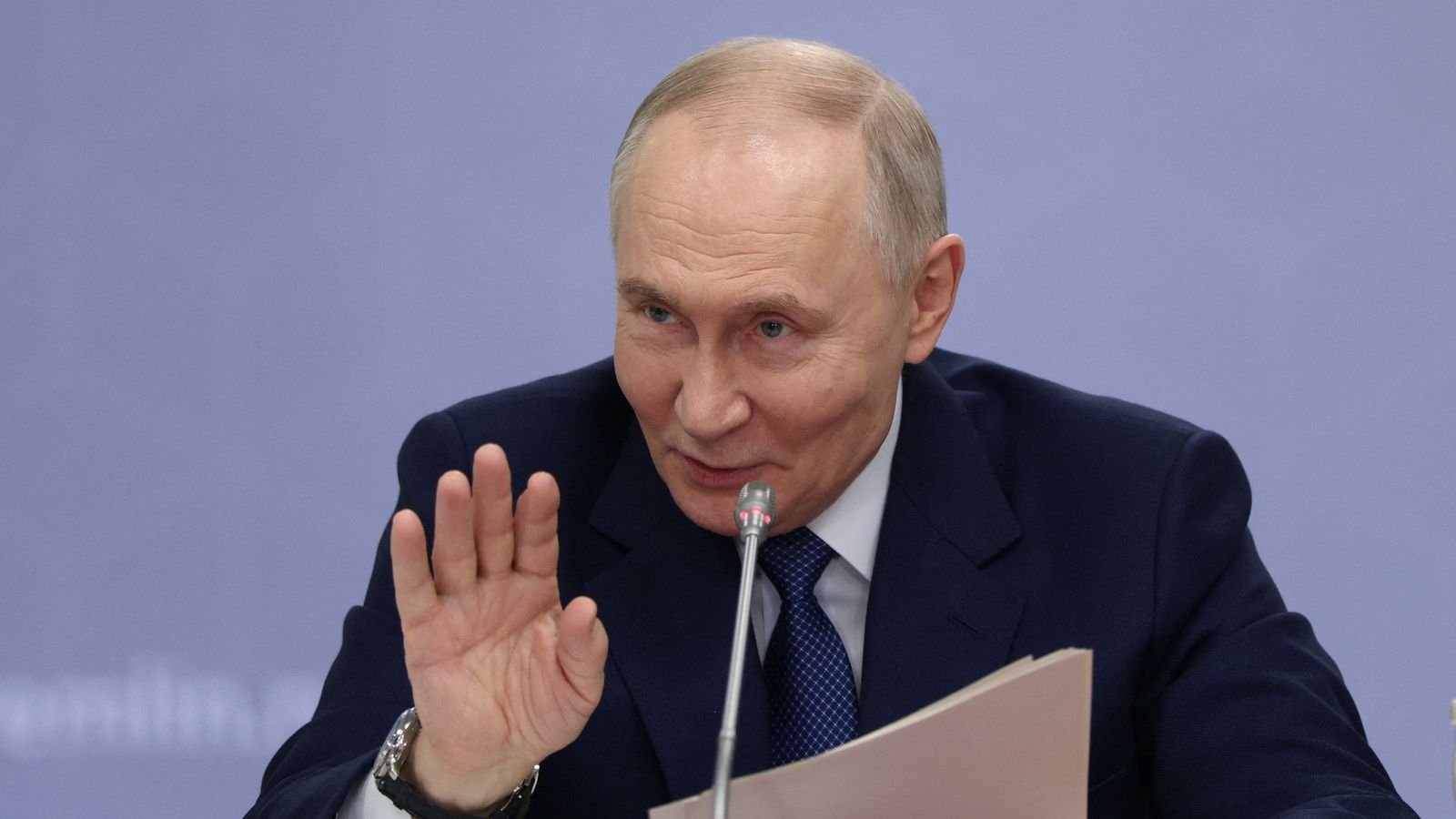
Russian President Vladimir Putin has been invited to become part of a newly formed US-led “Peace Council” aimed at addressing the conflict in Gaza. The Kremlin confirmed that Putin is currently reviewing the invitation, as stated by spokesperson Dmitry Peskov.
Details of the Peace Council
The invitation from the United States connects to the recently announced Board of Peace, which focuses on overseeing Gaza’s transitional governance. This initiative was revealed by the White House on Friday and features President Donald Trump as chair, alongside eleven other executive members, including notable figures such as Sir Tony Blair, the former UK Prime Minister, and US officials like Secretary of State Marco Rubio.
Additionally, President Trump extended invitations to 60 world leaders to join the Board. However, it has been noted that only those who contribute $1 billion (£747 million) will gain permanent membership, raising questions about the inclusivity and financing of the initiative.
Kremlin’s Response
Peskov indicated that the Russian president has formally received the invitation and is assessing its particulars. He mentioned, “At the moment, we are studying all the details of this proposal and hope to have contacts with the American side to clarify all the nuances.”
International Participation
In addition to Russia, several other nations have responded positively to the invitation. Kazakhstan has accepted its seat on the board, joining Hungary and Vietnam, which confirmed their participation earlier. Reports also suggest that UK Labour leader Sir Keir Starmer has received an invitation and expressed support for the US plans to advance the ceasefire.
Starmer remarked, “We welcome President Trump’s focus on sustaining the ceasefire in Gaza and moving on to phase two. We are open to participating constructively in such efforts.”
Background
This development comes amid significant international attention on the ongoing crisis in Gaza. The peace initiative aims to transition from a ceasefire to broader goals, including the demilitarisation of the region, governance by technocrats, and the rebuilding of infrastructure.
Major General Jasper Jeffers has been appointed as commander of the International Stabilisation Force, which is intended to uphold the ceasefire on the ground. The pending establishment of the National Committee for the Administration of Gaza (NCAG), led by Dr. Ali Sha’ath—a figure regarded as a reputable technocratic leader by the Trump administration—adds another layer of complexity to the peace efforts.
As the situation unfolds, the implications for international relations and regional stability remain to be seen, particularly concerning the UK’s role and responses in this diplomatic landscape.
Source: Original Article