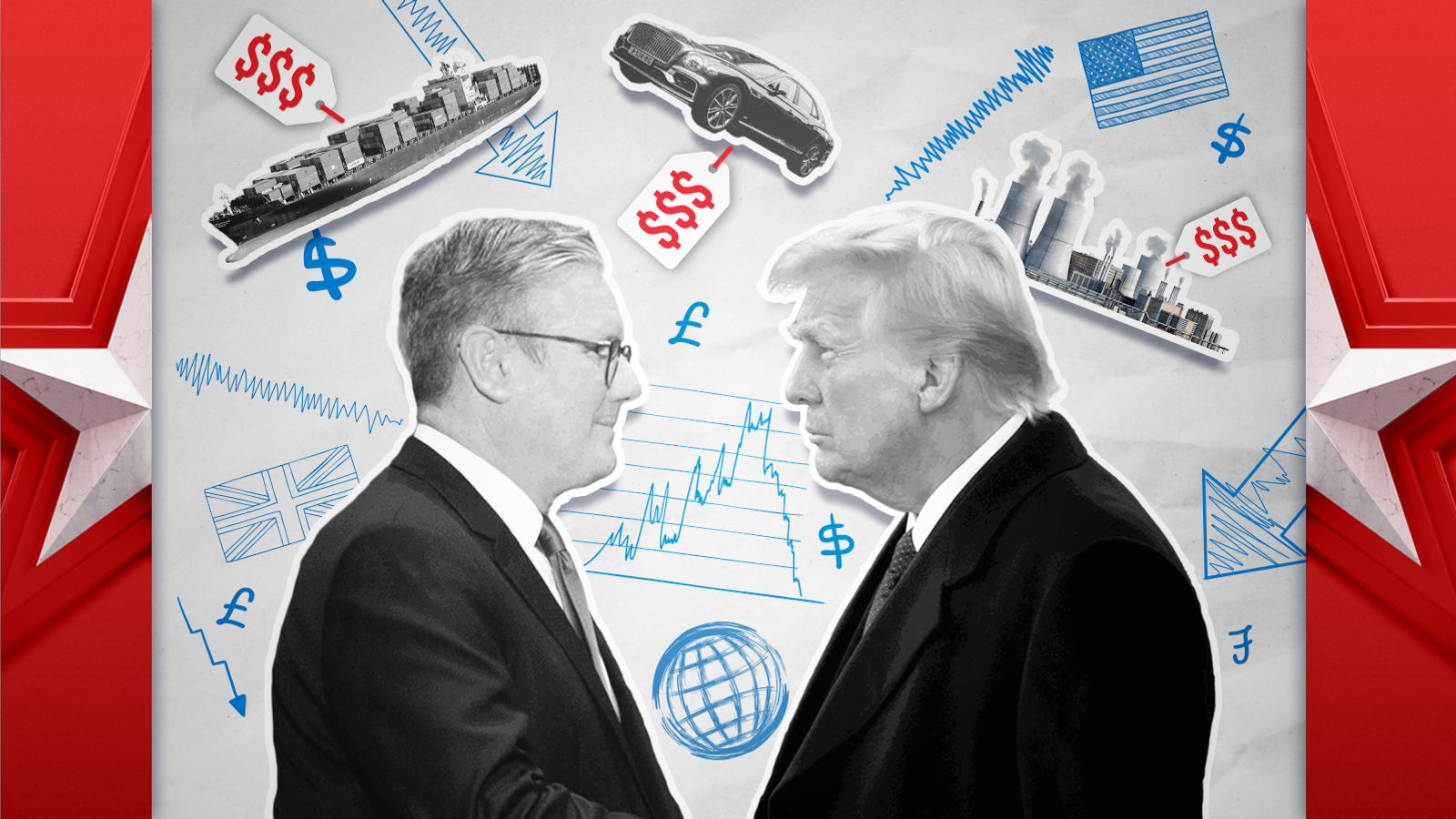
Trump’s Greenland Aspirations Prompt Trade Tensions with NATO Allies
Sir Keir Starmer announced on Monday that imposing retaliatory tariffs in response to U.S. President Donald Trump’s threats over Greenland would not serve the interests of the UK. This comes as Trump escalates his efforts to acquire the territory, insisting on support from NATO allies, amid wider concerns about the implications for transatlantic relations.
The Threat of Tariffs
President Trump has voiced intentions to enforce a phased increase in trade tariffs against NATO countries that do not back his proposed acquisition of Greenland. His plan includes imposing a ten percent tariff on all goods exported to the U.S. from Denmark and other European nations effective from February 1. Without an agreement, this tariff could rise to twenty-five percent by June, targeting key allies such as the UK, France, and Germany.
Trump’s Greenland Initiative
The U.S. President’s interest in Greenland stems from its strategic importance in the Arctic and its substantial mineral resources. However, leaders in Denmark and Greenland firmly reject any notion of selling the territory, emphasising that sovereignty is a matter for its people and their government.
North Atlantic Response
Trump’s aggressive trade stance has already prompted turmoil in financial markets, signalling unease among investors regarding potential trade disputes. The International Monetary Fund (IMF) has raised alarms about the risks to global economic stability if Trump proceeds with his tariffs.
Impact on the UK Economy
The UK currently pays a ten percent tariff rate on most goods due to Trump’s trade policies, which has already affected exporting sectors such as automotive and pharmaceuticals. Analysts predict that the introduction of new tariffs could squeeze the UK economy further, potentially reducing GDP by up to 0.75% and increasing recession risks.
Some UK businesses are adapting by shifting their operations; for instance, a parts supplier is considering establishing a manufacturing base in the U.S. to navigate the volatility associated with Trump’s administration.
The Broader EU Landscape
For the EU, additional tariffs from the U.S. could reach a rate of fifteen percent. While Germany’s manufacturing sector dominates exports to the U.S., France is prepared to advocate for retaliatory measures should the U.S. escalate trade tensions. Upcoming meetings among EU leaders will address how best to approach the situation, prioritising diplomatic avenues to avoid prolonged conflict.
Background
This escalation is reminiscent of previous trade disputes under Trump’s presidency, which have caused significant fluctuations in global financial markets. The term “TACO,” referring to Trump’s tendency to back down from contentious stances, has emerged among market analysts, pointing to the unpredictable nature of his economic policies.
As the situation unfolds, the economic implications of these developments will resonate not only in the UK but across Europe and the wider global economy, driving home the importance of cohesive transatlantic relations during turbulent times.
Source: Original Article