






















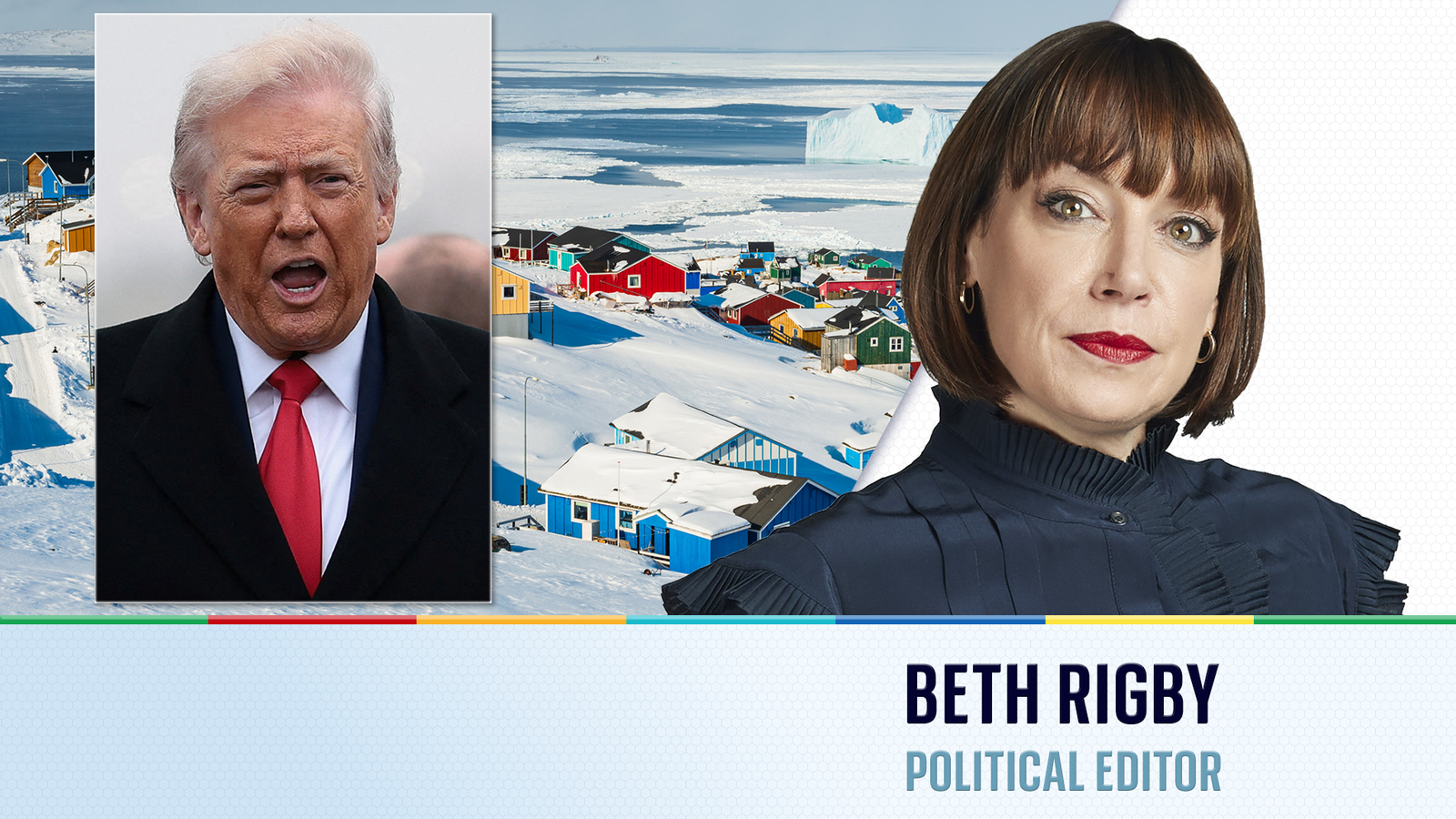
Prime Minister Addresses UK’s Position Amid Rising Transatlantic Tensions
In a stark emergency press conference, the Prime Minister expressed grave concerns regarding the current trajectory of US-UK relations, particularly in light of President Trump’s threats to impose tariffs and pursue control over Greenland. The situation has emerged as one of the most pressing challenges facing the transatlantic alliance in decades.
The Stakes are High
The Prime Minister candidly elaborated on the monumental crisis facing the UK, warning that substantial repercussions could follow if President Trump were to act on his stated intentions. The stark warnings were echoed by Labour leader Sir Keir Starmer, who sharply opposed Trump’s tariff ideas and the notion of acquiring Greenland, stating that alliances are based on mutual respect, not coercion.
As tensions mount, the Prime Minister’s approach has included a measured attempt to de-escalate. He acknowledged the significance of the US-UK partnership while avoiding any aggressive rhetoric regarding potential retaliatory tariffs. Despite the absence of immediate threats, it remains clear that the UK prefers dialogue over confrontation, pulling away from the EU’s more aggressive stance بشأن tariffs.
Davos and Diplomacy
The Prime Minister is increasingly unlikely to attend the World Economic Forum in Davos this week, reportedly due to the lack of substantive discussions on key multilateral issues. Meanwhile, Starmer continues his strategy of maintaining discussions behind closed doors, opting for a cautious public stance.
Danish Perspective and the Greenland Debate
The Danish Foreign Minister, Lars Lokke Rasmussen, has highlighted the depth of the transatlantic rift, revealing insights from his recent talks with US officials. Rasmussen emphasized that acquiring Greenland is a “red line” for Denmark, underscoring the need for direct dialogue rather than social media exchanges to address pressing concerns over security in the Arctic.
During these discussions, the focus includes managing the increasing US military presence in Greenland and ensuring that Chinese influence is contained. It has become evident that the tensions surrounding Greenland are emblematic of a broader strain on the NATO alliance, with significant implications for both Europe and the US.
Potential Consequences
Political analysts express concern that escalating tensions over Greenland may jeopardize NATO’s unity, especially if the US were to directly confront an ally like Denmark. The ramifications of such actions could spark a trade war detrimental to all parties involved and significantly alter the geopolitical landscape.
While President Trump holds substantial economic and military power, experts warn that merely European diplomatic efforts may not suffice to mitigate the situation. The urgency of the matter is heightened by the upcoming World Economic Forum, during which expectations will run high regarding Trump’s stance.
Congressional Intervention as a Possible Solution
In the backdrop of these international tensions, there is a call for intervention from Congress as a potential avenue to rein in President Trump. The hope among European leaders is that their influence can be supplemented by American lawmakers who may help navigate these turbulent waters.
Background
The current crisis follows a series of troubling statements and actions from President Trump regarding the UK’s relationship with the US and its allies. The historical significance of the transatlantic alliance has long formed a bedrock of international relations, particularly following World War II. As that alliance is now tested, the implications for global stability remain severe.
Source: Original Article






