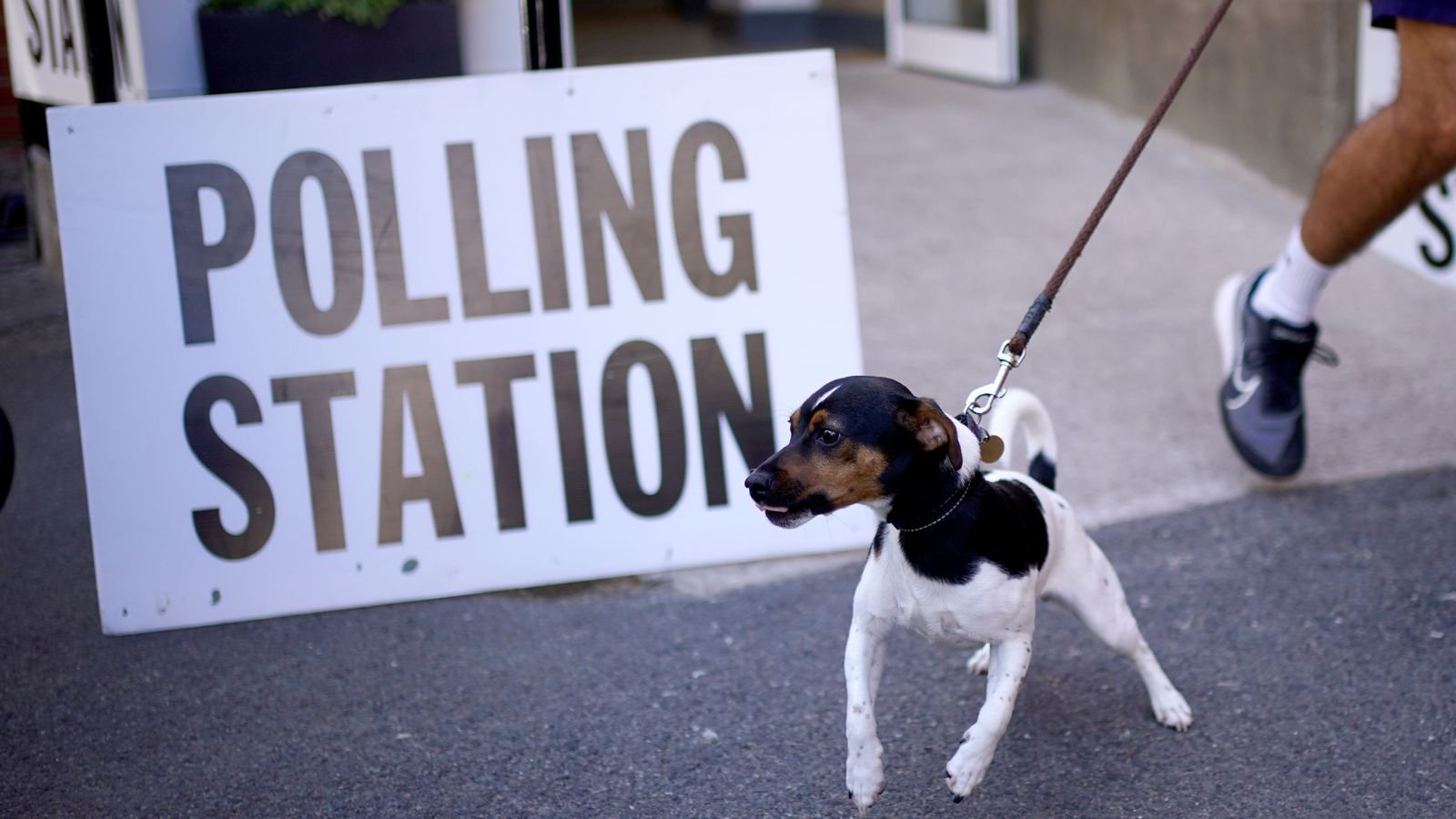
Legal Challenge to Local Council Election Delays
Reform UK is set to contest the government’s recent proposal to postpone local council elections scheduled for May, with a court hearing scheduled for next month. The party, led by Nigel Farage, is taking legal action against the Ministry of Housing, Communities, and Local Government (MHCLG), claiming that the delay is a direct threat to democratic processes.
Details of the Legal Proceedings
The legal challenge will be addressed during a two-day hearing starting on 19 February. Local authorities that wish to participate in the proceedings as interested parties or seek permission to intervene must submit their applications by the upcoming Friday deadline. Prior to this deadline, the government is also expected to provide Reform UK with justifications for its decision to postpone the elections.
In an agreement with the court, Reform UK has postponed its request for a temporary injunction that would have blocked any announcements concerning election delays. Julian Blake, the attorney representing MHCLG, affirmed that the department is willing to expedite the legal process to ensure a resolution before 27 March.
Political Reactions and Implications
A spokesperson for Reform UK expressed strong opposition to the government’s actions, declaring, “We will fight Labour at every turn. Their attempts to undermine democracy are unacceptable.” Meanwhile, the MHCLG has not publicly commented on the matter.
According to information gathered by Sky News, nearly half of the 63 councils capable of requesting a delay have done so. Among them, 29 councils have voiced the need for a postponement, with the majority being Labour-led—21 in total—while the remainder include four Conservative councils and two Liberal Democrat councils.
Local Government Secretary Steve Reed has addressed the situation, asserting that the majority of elections will proceed as planned. He explained the rationale behind allowing delays: the ongoing local government reorganisation, which aims to streamline council operations in many regions, necessitating a practical evaluation of the elections. Reed contended that holding elections for council positions potentially lasting only a year is a misallocation of resources.
Opposition to the Delays
The government’s decision has spurred backlash from various political factions. Shadow Chancellor Sir Mel Stride expressed concerns over denying citizens their democratic rights, stating, “We don’t want councillors serving seven-year terms, and we need to ensure democracy continues.” Additionally, Liberal Democrat leader Sir Ed Davey has called for legislative changes to prevent ministers from having the power to delay elections unilaterally.
Background
This legal dispute emerges amid ongoing discussions surrounding governmental practices and their impacts on local democracy. Critics argue that delaying elections exacerbates existing tensions and dissatisfaction regarding political engagement. As the situation unfolds, it remains to be seen how the court’s decision might shape the future of local governance and electoral integrity in the UK.
Source: Original Article