























Trump’s Greenland Gambit Raises Concerns for NATO
Recent events involving Donald Trump’s controversial remarks about Greenland have raised alarms regarding NATO’s solidarity among member countries. Although a potential crisis over the territory appears to have been avoided for now, the implications of Trump’s approach suggest a deeper challenge for the alliance’s unity and efficacy.
Relief for NATO Members
Following Trump’s abrupt shift from making threats towards European nations regarding Greenland to announcing a collaborative framework for a future agreement on the region, NATO allies—particularly the governments in London, Paris, Berlin, and Copenhagen—may find temporary reprieve. This shift comes after strong reactions to Trump’s aggressive posturing concerning Greenland, which is an integral part of Denmark, a NATO member.
The Wake-Up Call for Europe
The manner in which the US president has depicted NATO allies invites serious reflection on European defence strategies. Trump’s willingness to publicly belittle European leaders presents a stark indication that reliance on American protection may no longer suffice. This situation is a call to action for the UK, European allies, and Canada to enhance their own military capabilities in order to safeguard their interests independently, rather than depending heavily on the US.
Trump’s Diplomatic Flip
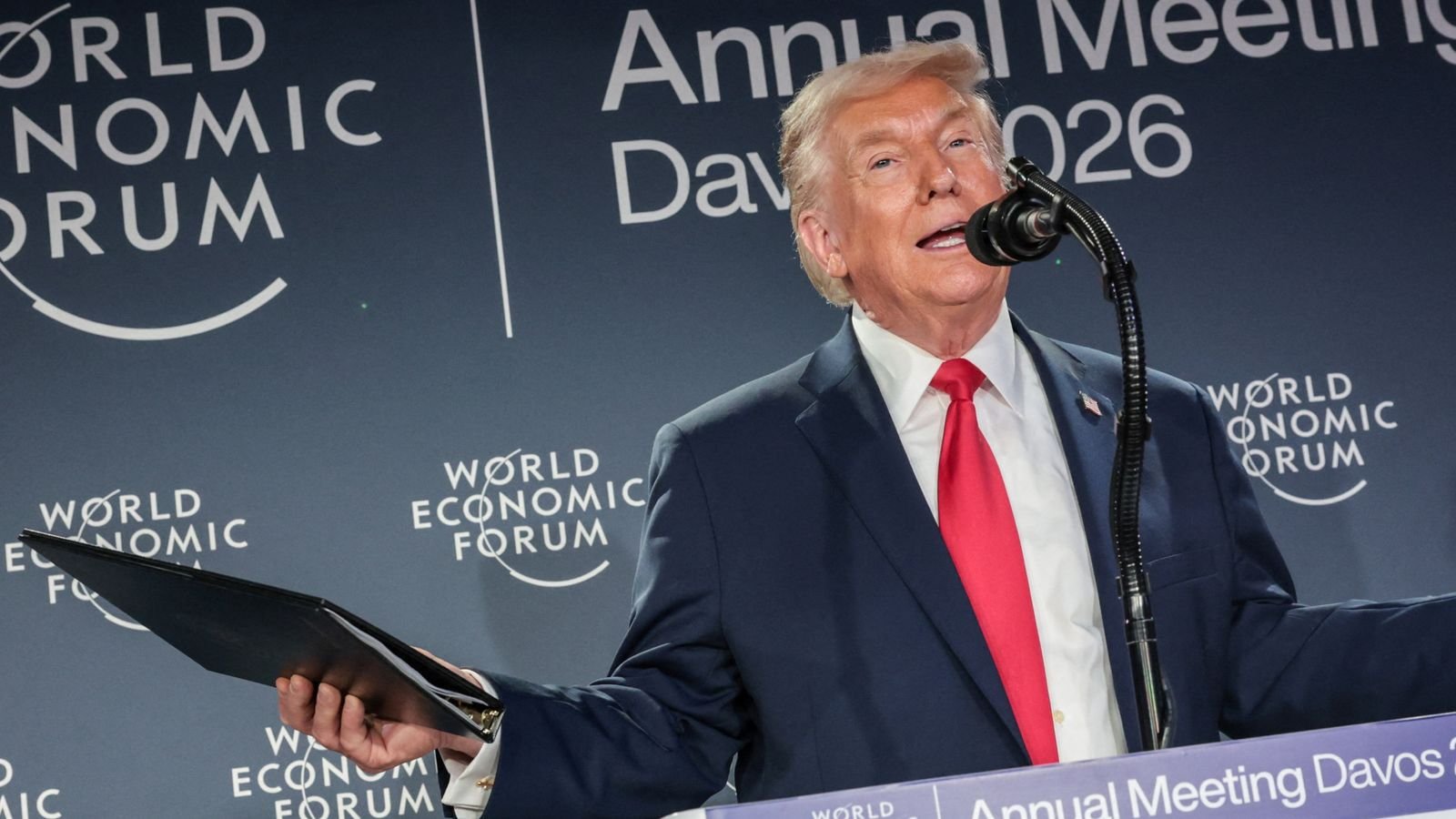
In a sudden turnaround, Trump transitioned from advocating hostile measures against nations opposing his ambitions in the Arctic to promoting a cooperative message about a prospective agreement concerning Greenland. This about-face occurred following discussions with Mark Rutte, NATO’s Secretary-General, at the World Economic Forum in Davos.
Rutte’s previous displays of ardent loyalty towards Trump may have played a role in softening tensions. At a NATO summit, Rutte managed to maintain a relationship with Trump despite the president’s longstanding criticism that allies are not contributing adequately to their own defence budgets—a stance that has merit.
Uncertainty Surrounding Future Deals
While Trump has announced a tentative agreement that could potentially benefit NATO countries in addressing issues surrounding Greenland and the broader Arctic area, the specific details of this arrangement remain ambiguous. Moreover, it is uncertain how well these plans will be received by the populations of Greenland and Denmark.
Long-lasting Consequences
The tension caused by Trump’s earlier provocative statements has undeniably impacted NATO’s cohesion, leading even traditionally supportive nations like the UK to express stronger positions against his demands. Increased assertiveness in European rhetoric is noticeable, but actionable steps are essential. The European nations must not only address military enhancements but also take urgent measures to implement these changes.
As Rutte’s diplomatic approach secures a temporary truce, it buys vital time for European nations to bolster their military readiness. A strengthened NATO will not only be better positioned to confront external threats from countries like Russia and China, but it will also provide a buffer against unexpected shifts in US policy under Trump’s leadership.
Background
The discussion surrounding NATO’s resource allocation has persisted for years, with Trump consistently urging member states to increase their military spending. This ongoing debate has only grown more intricate as global tensions mount, making the need for cohesive and well-resourced alliances more critical than ever.
Source: Original Article






