






















Fears Grow Over Water Supply Disruptions in Tunbridge Wells
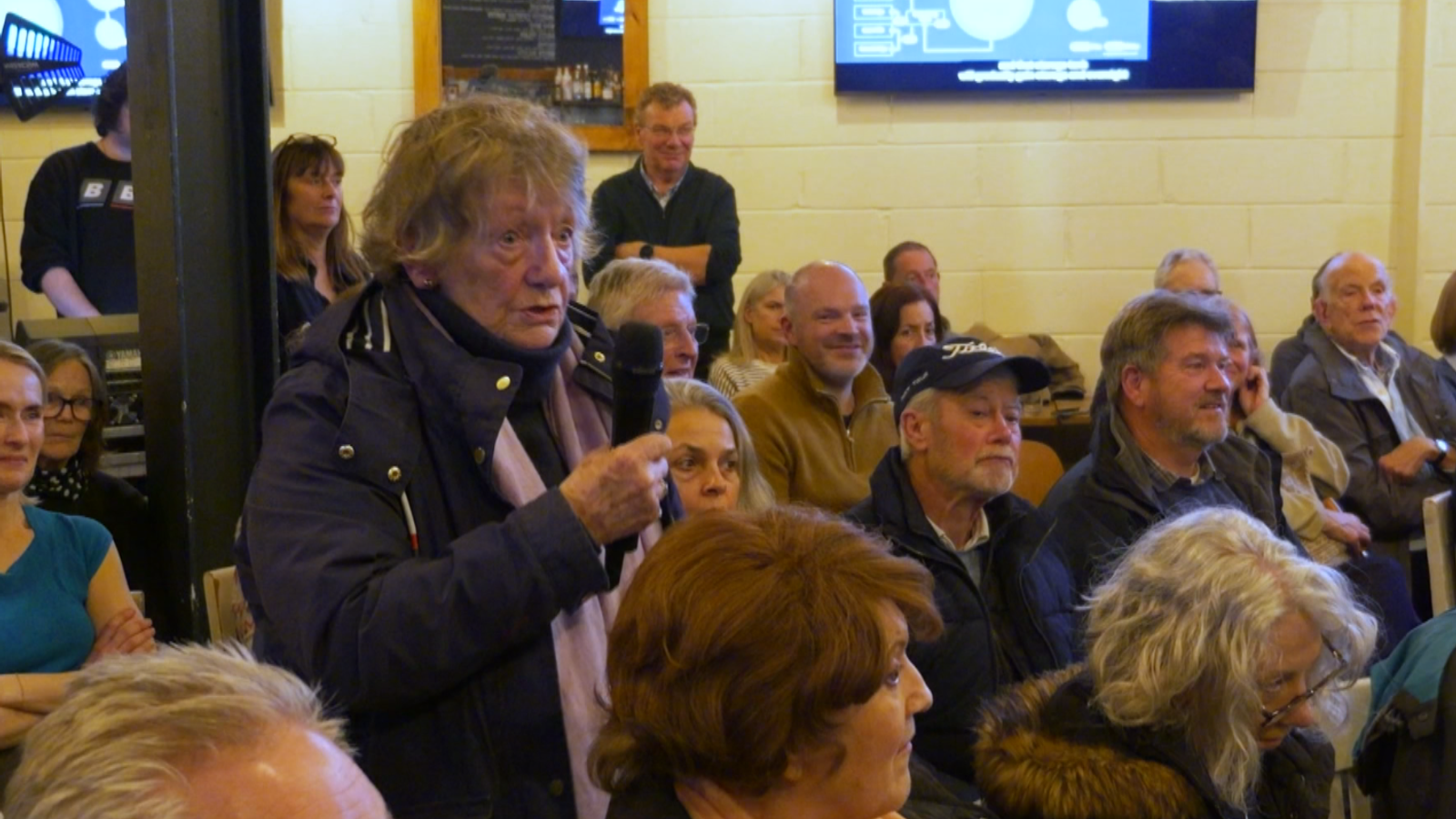
Residents of Tunbridge Wells are expressing significant frustration over ongoing water supply interruptions, culminating in a heated community meeting led by the newly formed Dry Wells Action group. With three years of inconsistent water delivery, locals are demanding accountability from South East Water as they face the daunting prospect of further outages.
Community Concerns Rise
At a recent gathering that drew over a hundred locals, organiser Jonathan Hawker voiced the community’s deep-seated discontent, stressing, “They have left us in water limbo.” Many worry that frequent disruptions will become the new norm, following lengthy outages experienced over recent winter months.
While most residents have regained access to water, the fear of future cuts remains palpable. Hawker emphasised that the situation is untenable as the community approaches 2026.
Lack of Accountability from South East Water
The absence of any representatives from South East Water during the meeting further escalated tensions among attendees. One local business owner lamented the company’s poor communication, stating, “Their communications are just tragic.” Another community member, Syed Ahmed, expressed disappointment, saying, “It’s very disappointing SEW didn’t send a representative here to speak to the community—that’s the least they could have done.”
Impact on Health and Education
The repercussions of water shortages extend beyond inconvenience. Consultant hip surgeon Syed Ahmed detailed how the outages have led to the cancellation of NHS clinics, forcing him to juggle family responsibilities while compromising patient care. He noted, “The impact is absolutely horrendous… I’m hoping it hasn’t cost lives.”
In schools, the situation is similarly dire. Hannah Knowles, principal at Skinner’s Academy, has invested £6,000 in portable toilets to ensure that students can continue their mock exams amidst the unpredictability of water supply. She described the atmosphere as reminiscent of the COVID-19 era, with schools having to adapt with little notice.
Financial Implications
Principal Knowles estimated that mitigation measures and lost educational opportunities could cost the school around £20,000. “If SEW has the audacity to not provide us that money back, they are literally taking money from young people,” she stated, portraying the enormity of the issue faced by educational institutions.
Demands for Change
As anger continues to mount, local residents are calling for greater transparency and even the resignation of South East Water’s chief executive, David Hinton. Despite his recent appearance before MPs, where he rated his company’s performance as satisfactory, community members feel let down by what they perceive as inadequate responses to pressing issues.
Jo Dobson, a founder of the Dry Wells campaign group, outlined aspirations for broader systemic changes in the region. She believes that solving the problems in Tunbridge Wells could create a model for similar changes nationwide. There are growing discussions about the potential for water companies to return to public ownership, reflecting a shift in public sentiment towards accountability in essential services.
Conclusion
The unrest in Tunbridge Wells is part of a broader narrative of dissatisfaction with water supply management in the UK. As local residents demand answers, the government’s proposed regulatory changes may barely scratch the surface of the deep-rooted challenges faced by communities reliant on consistent water access. The situation in Tunbridge Wells serves as a crucial barometer for how these issues may be addressed elsewhere in the country.
Background
Recent years have seen sporadic disruptions in water services across Kent and East Sussex, particularly during the winter months. These persistent issues have prompted community action, prompting local groups like Dry Wells Action to unite residents in seeking resolution and accountability from their water provider.
Source: Original Article






