






















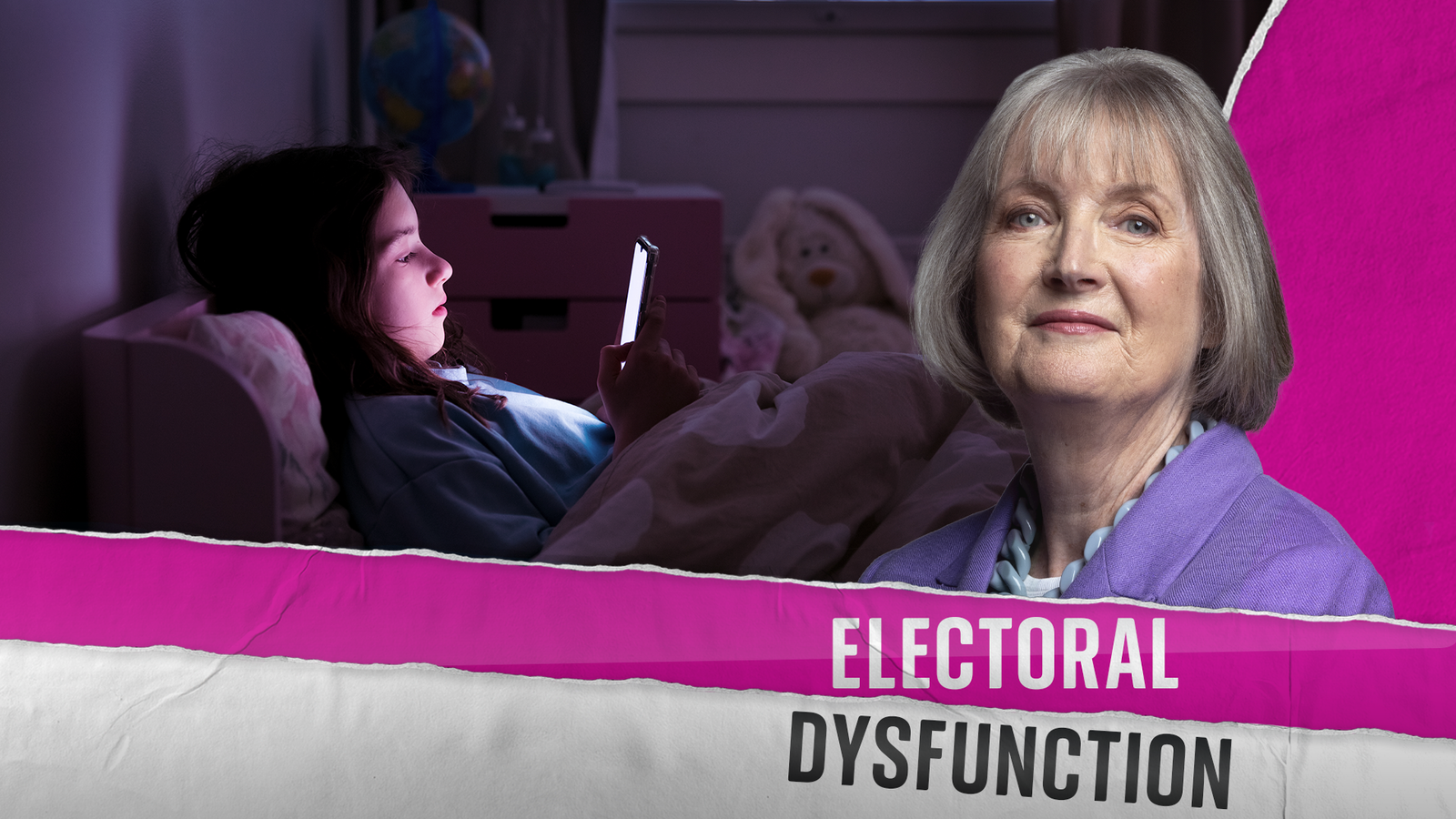
Labour’s Harriet Harman Critiques Proposed Social Media Ban for Under-16s
Harriet Harman, a prominent Labour peer, has expressed skepticism regarding the UK government’s plan to restrict social media access for children under 16, deeming it impractical and ineffective. Speaking on Sky News, she stated that merely banning children from these platforms will not address the underlying issues associated with social media use among youth.
Concerns Over the Proposed Ban
Harman highlighted that the ban, recently supported by the House of Lords, still requires approval from Members of Parliament (MPs) before it can be enacted. The government’s current stance is to conduct a consultation regarding the ban, which raises questions about its feasibility.
During her interview, Harman noted the existence of comprehensive legislation aimed at online safety, including the Online Harms Bill and the Crime and Policing Bill, before discussions even turn to the Children’s Wellbeing and Schools Bill, which is intended to facilitate any new social media restrictions. She described the government’s current strategy as “a shambles” that lacks coherence.
The Need for a Thoughtful Approach
Harman emphasized the necessity for a structured procedure within the House of Commons to efficiently tackle the multifaceted challenges posed by social media. She cautioned that failing to establish a systematic approach could lead the government to implement a ban that is ineffective, only to find themselves in a position requiring further and stricter regulations on social media platforms.
“People will be led to believe that the government is ineffectual. A misguided approach could result in a public perception of inaction,” she remarked.
Potential Consequences of a Sudden Ban
One significant concern raised by Harman is the abrupt transition for teenagers once they reach the age of 16. She warned that without proper education on social media usage, young people may face sudden exposure to its complexities, leading to what she termed a “cliff edge.” Furthermore, she indicated that social media can play a beneficial role for many young individuals, providing a platform for combating isolation and connecting with communities that share similar issues.
Responses from the House of Lords
This week, during the debate in the House of Lords regarding the proposed ban, Lord Nash, a Conservative peer, countered the notion of a “cliff edge,” asserting that the intention behind the ban is to allow teenagers more time to mature, thereby enhancing their ability to navigate social media responsibly.
He further argued that while social media can offer supportive communities for vulnerable youth, these platforms also expose them to predatory individuals. Nash highlighted concerns from law enforcement regarding the presence of abusers targeting young users within certain online forums related to mental health and identity issues.
Background
This discussion comes amid growing concerns about online safety for minors in the UK. The conversation around children’s access to social media has intensified, prompting legislators to consider measures aimed at safeguarding young users. A balanced approach is needed to address both the benefits and risks associated with social media platforms.
Source: Original Article






