Trilateral Peace Talks Begin in Abu Dhabi Amid Ongoing Conflict
Negotiators from Russia, Ukraine, and the United States have convened in Abu Dhabi for their first trilateral discussions since the onset of the full-scale invasion of Ukraine in 2022. These talks aim to address security concerns and seek a resolution to the ongoing war, although significant hurdles remain in reaching a comprehensive peace agreement.
The Current State of Negotiations
The Kremlin has confirmed the discussions, but cautioned that sustainable peace hinges on resolving contentious territorial issues. Following a four-hour meeting between U.S. representatives, including Steve Witkoff and Jared Kushner, and Russian President Vladimir Putin in Moscow, hopes for progress are tempered by the complexities at hand. Meanwhile, former President Donald Trump met with Ukrainian President Volodymyr Zelenskyy at the World Economic Forum in Davos to further the cause.
Challenges Ahead
One of the main obstacles to finalising a peace deal is the debate over territorial claims. Russia is insisting that Ukraine concede control over approximately 20% of the Donetsk region, a demand that Zelenskyy has steadfastly rejected. The situation in Donetsk is critical, as Russian forces have gained control over much of the region and are not likely to relent without significant concessions.
Security Guarantees
Zelenskyy has expressed his anticipation for Trump to confirm a date for signing a deal that would provide security guarantees for Ukraine from the U.S. Although a draft of the agreement is reportedly ready, it has yet to be officially disclosed. The need for strong security assurances is pressing, given the ongoing nature of Russian aggression.
Composition of the Delegations
Each nation will be represented by delegations in the Abu Dhabi talks. Ukraine’s team will be led by chief negotiator Rustem Umerov and Zelenskyy’s chief of staff, Kyrylo Budanov. From Russia, Admiral Igor Kostyukov will head the negotiating team, while economic discussions will be conducted separately by Putin’s envoy, Kirill Dmitriev, and U.S. envoy Witkoff.
Previous Engagements and Context
Historically, there have been several moments resembling these negotiations. In November, military officials from the involved nations met in Abu Dhabi, although details on the interactions were vague. Concerns remain that this meeting may yield little more than past encounters, as similar efforts in Turkey last May resulted in only a brief assembly with minimal substantive outcomes. A previous meeting between Trump and Putin in August also failed to deliver concrete agreements, leaving many sceptical about the current talks.
Ongoing Violence Despite Diplomatic Initiatives
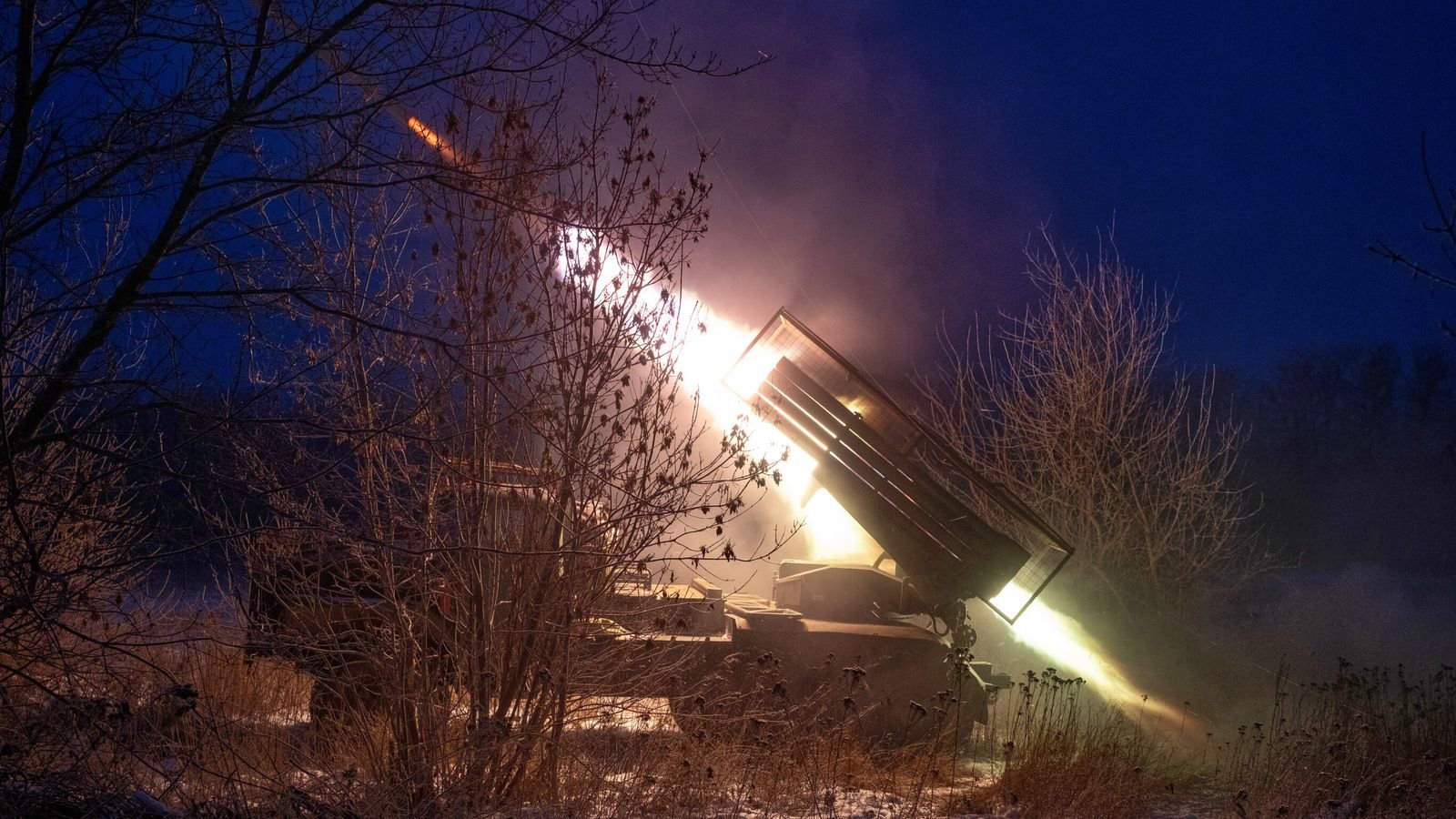
As discussions unfold in the UAE, fighting continues unabated in Ukraine. Reports indicate that Russian forces conducted drone strikes that resulted in significant infrastructure damage and civilian casualties. The Ukrainian air force reported that approximately 101 drones were launched, with 76 intercepted, illustrating the ongoing escalation of hostilities amidst diplomatic efforts.
Overall, while the trilateral talks represent a critical step in negotiating peace, the prevailing attitude should be cautious optimism, as numerous challenges lie ahead for all parties involved.
Background
The conflict in Ukraine has been ongoing since the initial invasion in 2014, intensifying dramatically in 2022. As Western nations re-evaluate their positions and support for Ukraine in light of the war’s evolving dynamics, resolutions that ensure long-term peace and security remain a primary concern on the global stage.
Source: Original Article