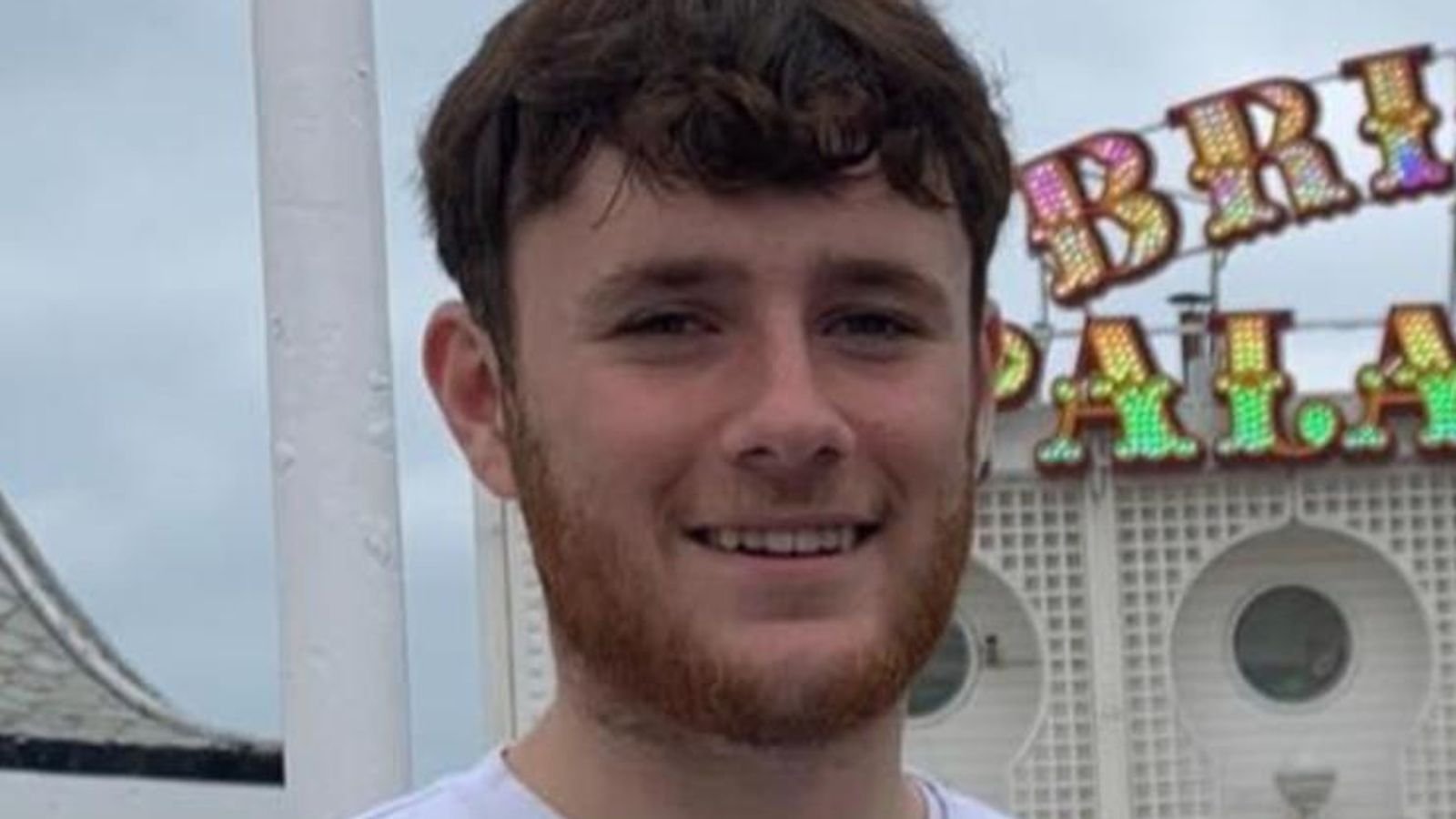
Coroner Rules There Was a ‘Missed Opportunity’ in Tragic Death of Young Footballer
A coroner has concluded that there was a significant lapse in the care of Luke Abrahams, a 20-year-old amateur footballer from Northampton, who succumbed to sepsis caused by a rare flesh-eating infection. The coroner’s findings indicate that earlier medical intervention might have altered the outcome of his condition.
Events Leading to the Tragic Outcome
After returning home from a football match in January 2023, Abrahams complained of a sore throat. Following this, he was prescribed antibiotics for what was initially thought to be tonsillitis. However, his health deteriorated, leading to severe leg pain a few days later.
Paramedics responded to the situation but misdiagnosed him with sciatica, neglecting to transfer him to a hospital despite his high pain rating and other concerning symptoms, including a rapid heart rate and dark urine. Evidence presented during the inquest revealed that the ambulance crew failed to give due consideration to potential infections, despite several alarming signs.
Escalation of the Condition
Abrahams’s deteriorating health eventually necessitated a hospital visit two days later, at which point he was found to be in a critical state of multiple organ failure. A consultant confirmed that an amputation of his leg was his only chance for survival. Unfortunately, following the procedure, he suffered a cardiac arrest and passed away on January 23, 2023.
Family Concerns and Inquest Findings
Initially, Luke’s death was logged as resulting from “natural causes.” However, his parents, Richard Abrahams and Julie Needham, insisted on an inquest, motivated by concerns regarding the lack of consistent healthcare they believed contributed to their son’s death. They expressed a desire for justice and accountability after Luke’s interactions with several NHS services, including his GP, NHS 111, and hospital doctors.
During the inquest, Ms. Needham articulated her worries about the inadequate continuity of care Luke experienced in the week leading up to his passing.
Coroner’s Report and NHS Response
Coroner Sophie Lomas concluded that Abrahams had died from Lemierre syndrome, a severe bacterial infection that manifested as a sore throat. In her report, she clarified that the infection advanced rapidly, leading to septic emboli and ultimately to necrotising fasciitis.
Keeley Sheldon, a director at East Midlands Ambulance Service, expressed deep regret over the missed opportunity to take Abrahams to the hospital on January 20, 2023. She stated that the service failed to deliver the care he deserved and conveyed condolences to his family.
The coroner’s findings will prompt a review of NHS protocols, particularly regarding the communication of information about rare conditions like necrotising fasciitis, which was initially mischaracterized on the NHS website as an injury-based infection.
Expert Insights
Dr. Nicholas Price, an infectious diseases specialist, emphasized the importance of timely treatment, noting that the condition can deteriorate rapidly. He mentioned that even with optimal treatment, the mortality rate for necrotising fasciitis remains between 15% and 20%.
Family’s Call for Accountability
Luke’s parents have expressed their heartbreak over their son’s untimely death. Richard Abrahams stated, “When mistakes are made in the NHS, the consequences can be fatal,” highlighting the need for accountability in healthcare. He vowed to continue advocating until lessons from Luke’s case are thoroughly understood and implemented to prevent similar tragedies.
Background
The case spotlights the ongoing challenges faced by the NHS in terms of patient care and highlights the critical need for timely and accurate assessments, particularly when rare but deadly infections are suspected. The tragic circumstances surrounding Luke Abrahams’ death raise important questions about healthcare protocols and their impact on patient outcomes.
Source: Original Article