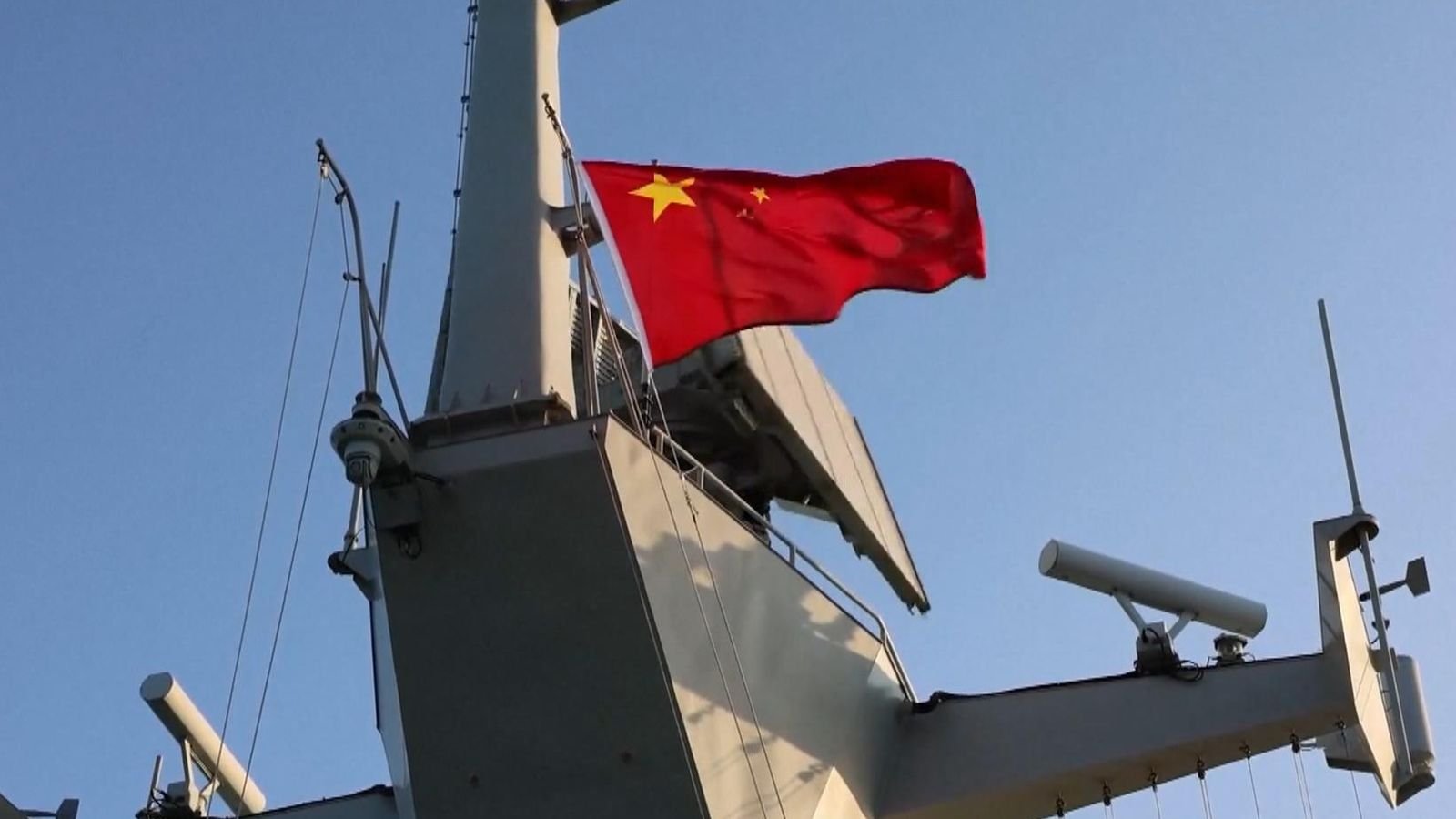
US Defence Strategy Shifts Focus Away From China
The Pentagon’s latest strategic document suggests a significant realignment in US defence priorities, moving away from viewing China as its foremost adversary. Instead, the focus will now be directed toward domestic issues and the Western Hemisphere, a change that may have far-reaching implications across global geopolitics.
Shifting Perspectives on China
According to the 2026 National Defence Strategy, China is now regarded as a stabilised presence in the Indo-Pacific region, necessitating deterrence against any potential dominance over the US or its allies. This marks a notable shift from the previous administration’s approach, which designated Beijing as a primary threat.
Influence of the Current Administration
The new strategy draws heavily on the National Security Strategy introduced under former President Donald Trump. The focus is clear: the United States aims to strengthen its military capacities within the Indo-Pacific while reassessing its relationships, particularly with European allies.
Implications for US Allies
The document emphasizes that the US will offer “critical but more limited support” to allies throughout Europe and other regions. This comes at a time when relations between the US and its allies have been strained by various issues, including controversial remarks by Trump regarding NATO troop deployments and territorial disputes like Greenland.
Calls for Increased Allied Responsibility
While the US does not seek isolationism, the strategy highlights a desire for allied nations to contribute more substantively to their own defence needs, permitting the US military to concentrate on domestic priorities. As part of this strategy, the Pentagon aims to provide feasible options to secure vital US interests across the Western Hemisphere, encompassing regions from the Arctic to South America.
Concerns Over North Korean Threat
The new strategy also addresses the security landscape on the Korean Peninsula. It stresses the importance of vigilance from South Korea against potential aggression from the North, which remains a significant missile threat. South Korea’s increasing defence spending, now growing by 7.5% this year, demonstrates its capability and commitment to deterring North Korean threats autonomously.
Focus on Ukraine
In terms of European security, the strategy indicates that while previously, defending Ukraine from Russian aggression was a top priority, NATO allies are now expected to take the lead in supporting Ukraine’s military efforts. The document characterizes any resolution to the conflict as primarily Europe’s responsibility, suggesting a recalibration in how the US will support allied efforts.
Assessing the Threat from Russia
When considering Russia, the strategy regards the nation as a persistent challenge but maintains that it poses a manageable risk to NATO’s eastern members. The document points out that Russia lacks the capacity to assert dominance in Europe, with assessments indicating a substantial military and economic imbalance in favour of European NATO allies.
Limitations of European Influence
Although the US intends to remain engaged with Europe, the strategy notes that the continent’s share of global economic power is declining, suggesting a pivot towards prioritising US homeland defence and focusing on challenges posed by China.
Background
This strategy document arrives in a context where long-standing US foreign policy has been increasingly scrutinised. As nations like China continue to grow in influence, the US is addressing its strategic posture in relation to allies and adversaries alike, aiming for a military balance that permits the country to maintain its global standing.
As the situation continues to evolve, it will be crucial for both US allies and adversaries to attentively monitor the ramifications of this new strategy and its implications for international relations moving forward.
Source: Original Article