Understanding Inflation: A Guide to Its Impact on Everyday Spending and Purchasing Power
Inflation is a fundamental economic concept that affects the cost of goods and services over time. It refers to the general increase in prices and the corresponding decrease in the purchasing power of money. Understanding inflation is crucial for consumers and businesses alike, as it plays a significant role in financial planning and decision-making.
What is Inflation?
Inflation occurs when the overall level of prices in an economy rises, leading to a decline in the value of currency. For instance, if the price of a loaf of bread goes from $2 to $2.50, the purchasing power of a dollar has decreased. The underlying causes of inflation can generally be categorized into three main types:
- Demand-Pull Inflation: This occurs when the demand for goods and services exceeds supply. Factors such as increased consumer spending can drive this type of inflation.
- Cost-Push Inflation: This type arises when the costs of production increase, causing businesses to raise their prices. Factors can include rising raw material costs or increases in labor wages.
- Built-In Inflation: This is related to expectations; if businesses and workers expect prices to rise, they may increase wages and prices, creating a self-fulfilling cycle of inflation.
The Impact of Inflation on Purchasing Power
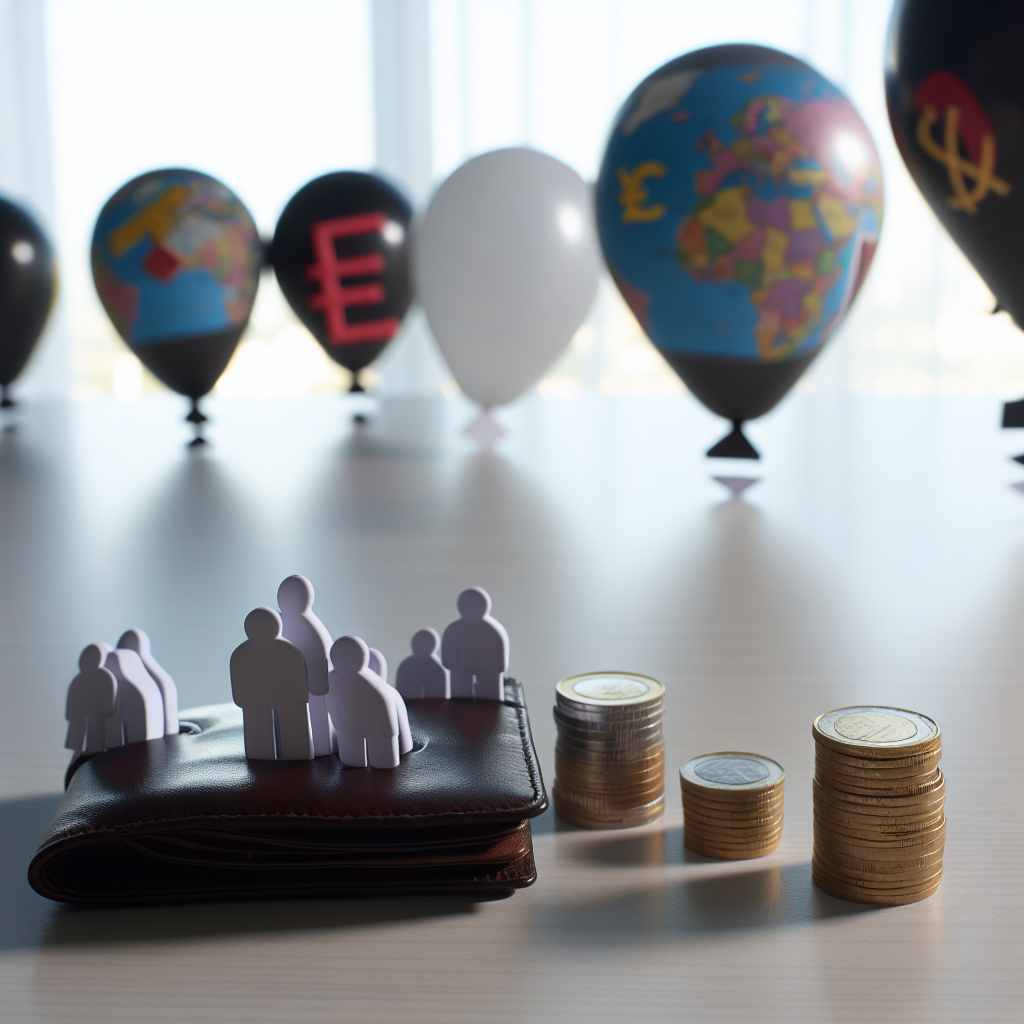
Purchasing power represents the amount of goods and services that can be bought with a unit of currency. When inflation rises, purchasing power declines. For example, if wages do not increase at the same rate as inflation, consumers will find it more challenging to afford the same level of goods and services.
For instance, consider a scenario where inflation is increasing at 3% annually, while salaries only rise by 2%. In this case, employees are effectively earning less in real terms, which may limit their ability to save or spend on non-essential items.
Inflation and Consumer Behavior
Businesses must understand how inflation influences consumer behavior. As prices rise, consumers may adapt by:
- Prioritizing Essential Purchases: Consumers may focus their spending on essential goods, such as food and healthcare, while cutting back on non-essential items.
- Seeking Discounts: Shoppers may become more price-sensitive, leading them to hunt for bargains or switch brands for lower-cost alternatives.
- Changing Purchasing Habits: Consumers might buy in bulk or choose to delay purchases, anticipating that prices may stabilize or fall in the near future.
Inflation’s Effect on Businesses
Inflation can create significant challenges for businesses. Some of the main impacts include:
- Cost Management: Rising costs of materials can pressure profit margins. Companies may need to assess their pricing strategies to ensure sustainability while remaining competitive.
- Investment Decisions: Uncertainty regarding future inflation can lead to more cautious investment strategies. Businesses might delay capital expenditures or expansion plans.
- Labor Costs: As inflation rises, employees may demand higher wages to maintain their purchasing power, impacting overall labor costs for companies.
Strategies for Navigating Inflation
Both consumers and businesses can adopt strategies to mitigate the impact of inflation:
- For Consumers: Maintaining a budget, prioritizing savings, and investing in inflation-protected assets can help manage the effects of inflation on personal finances.
- For Businesses: Implementing efficient cost-control measures, innovating product offerings, or exploring new markets can minimize the negative impacts of inflation on profitability.
Conclusion
Understanding inflation is essential for anyone engaged in economic activity, whether as a consumer or a business leader. By recognizing how inflation affects purchasing power and consumer behavior, individuals and organizations can make informed decisions, ultimately leading to better financial outcomes in an inflationary environment.