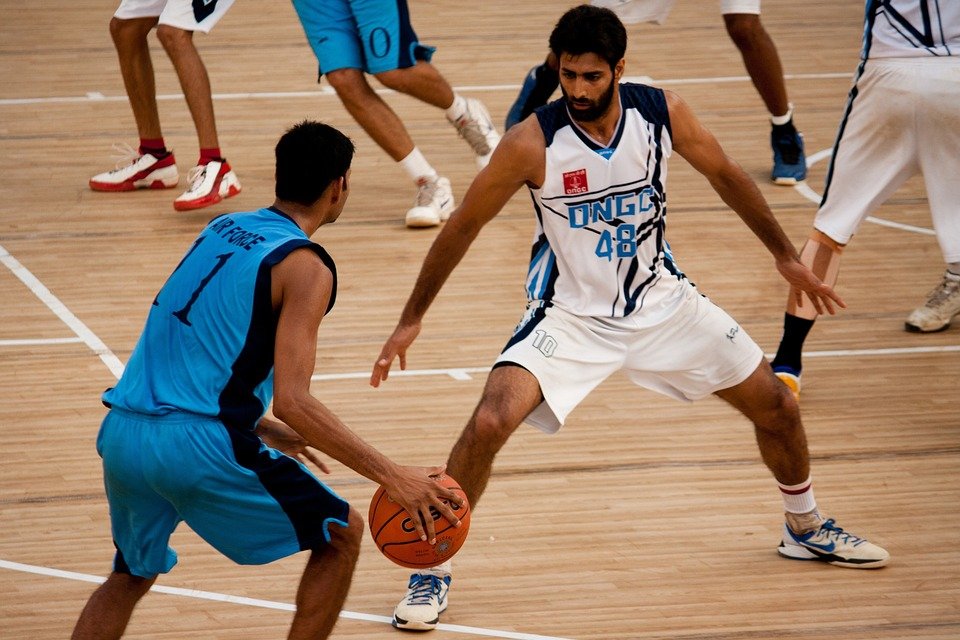
Dribbling is a fundamental skill in basketball that requires precision, control, and technique. Mastering this art not only enhances a player’s performance on the court but also contributes significantly to team dynamics. Understanding the essential skills for effective ball control in basketball can elevate a player’s game to the next level.
The Basics of Dribbling
Dribbling involves bouncing the ball while walking or running, allowing players to advance the ball while maintaining possession. The primary objectives are to maneuver past defenders and to set up offensive plays. Key elements include:
- Ball Control: The ability to handle the ball with precision, utilizing fingertips rather than the palms, allows for better control.
- Body Positioning: A low center of gravity typically aids agility. Players should keep their knees bent and their bodies slightly crouched.
- Footwork: Effective footwork is crucial. Moving feet in sync with dribbling helps maintain balance and coordination.
Types of Dribbling Techniques
Different dribbling techniques should be employed depending on the situation on the court. Common styles include:
- Control Dribble: Used for maintaining possession while surveying the court; the ball is dribbled low and close to the body.
- Speed Dribble: A quick dribble to advance the ball down the court; involves longer strides and quicker hand movements.
- Protective Dribble: Shielding the ball from defenders by positioning the body between the defender and the ball.
Improving Dribbling Skills
Training to improve dribbling skills should involve a combination of drills, techniques, and practice routines. Effective methods include:
- Dribbling Drills: Routine practice using cones or markers can significantly enhance control and agility.
- Non-Dominant Hand Training: Practicing dribbling with the non-dominant hand allows for versatile skills on the court.
- Plyometric Exercises: Incorporating strength training can improve overall agility and explosiveness, which are vital for effective dribbling.
Historical Significance of Dribbling in Basketball
The evolution of dribbling in basketball has been marked by various styles and techniques over the years. In the early days of the sport, dribbling was not as emphasized as passing. However, as the game progressed, players like Bob Cousy and later, more modern players, showcased innovative dribbling skills that transformed the offensive dynamics of the game.
Conclusion
Mastering the art of dribbling is essential for effective ball control in basketball. It requires dedication to practice and a thorough understanding of various techniques and drills. By focusing on these fundamentals, players can enhance their individual performance and contribute positively to their teams.