Rescue Efforts Underway After Landslide in Indonesia
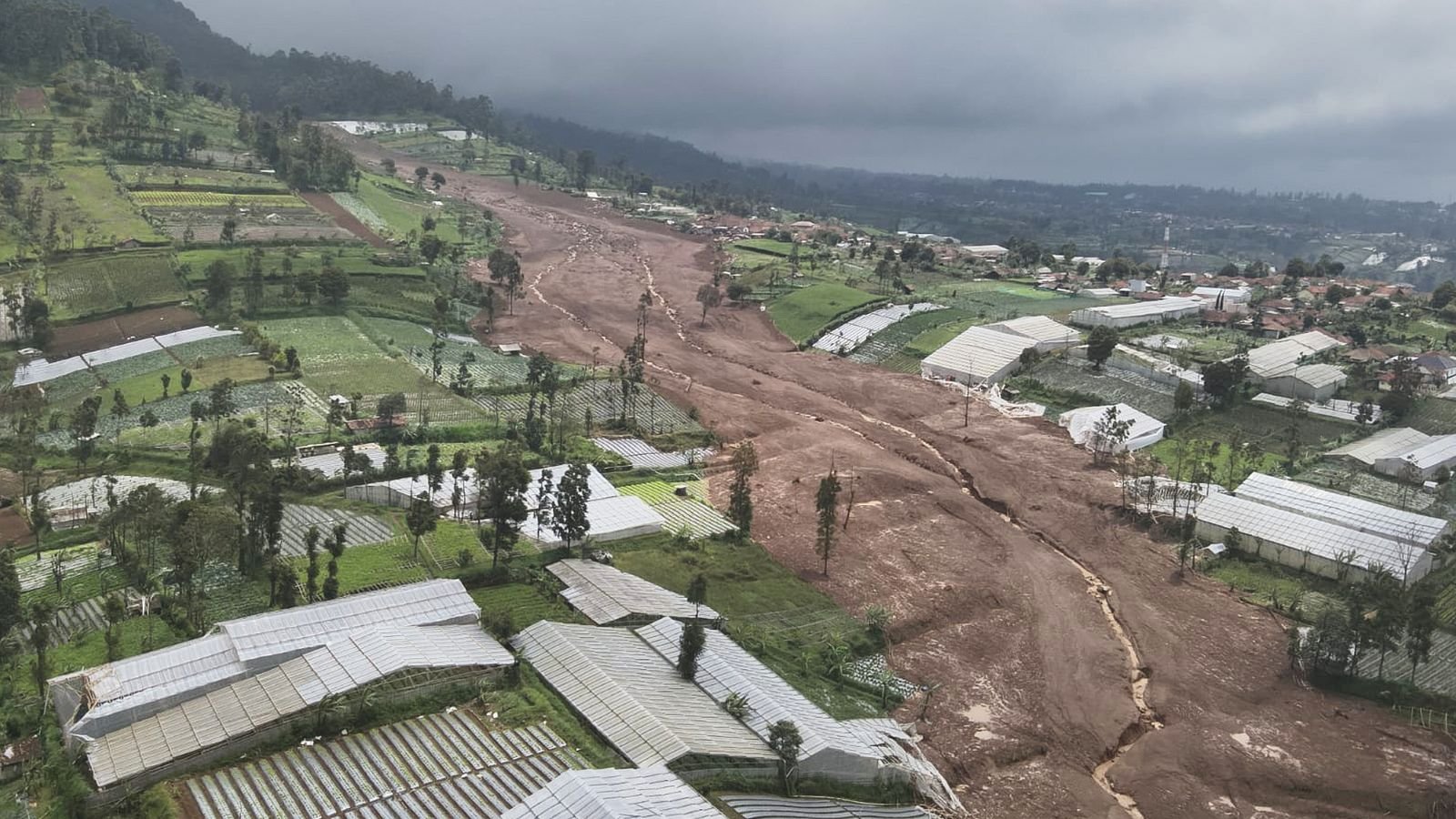
A devastating landslide on Indonesia’s Java island has left at least 25 people dead, with over 70 individuals still unaccounted for. The tragedy occurred in the West Bandung district on Saturday, following several days of heavy rainfall that saturated the region’s soil.
Ongoing Search Operations
The search for survivors continues as authorities reveal that 72 individuals are believed to be trapped beneath massive piles of mud, rocks, and uprooted trees. A search team consisting of around 250 members has been mobilised, successfully recovering 14 additional bodies on Sunday, raising the total to 25 deceased.
In the village of Pasir Langu, more than 30 homes have been buried, prompting the evacuation of approximately 230 residents to temporary government shelters. Conditions have been challenging, with rescuers relying heavily on manual tools and their hands for recovery operations, as heavy machinery cannot be deployed due to unstable ground conditions.
Terrain Challenges
According to Basarnas, Indonesia’s search and rescue agency, the terrain’s instability significantly hampers efforts. The agency’s chief, Mohammad Syafii, noted that “we are at the mercy of the weather” as the slippery surface complicates rescue attempts. He emphasized the need to employ various resources, including drones and K-9 units, while prioritising the safety of rescuers.
Ade Dian Permana from the provincial rescue office reported that some areas are filled with up to 5 meters (16 feet) of mud, with several homes completely submerged. “If the slope does not stabilise, we are prepared to continue manually,” he stated.
Government Response
Indonesian Vice President Gibran Rakabuming Raka visited the affected area, pledging that measures would be implemented to prevent similar disasters in the future. He urged local authorities to tackle land conversion issues in areas susceptible to disasters.
Rescue officials have confirmed that operations will persist around the clock as long as conditions permit, though the possibility of further rain threatens to destabilise the slope even more.
Environmental Concerns
Environmental activists attribute part of the tragedy to ongoing degradation of the region caused by improper land-use practices. Wahyudin Iwang from the environmental organisation Walhi West Java believes that the landslide reflects a neglect of planning regulations, especially in the North Bandung Area, a conservation zone critical for water catchment and environmental balance.
Mr. Iwang stated, “This landslide is the accumulation of activities that were not in line with spatial planning and environmental functions.” The tragic incident underscores the urgent need for effective environmental regulations to safeguard vulnerable regions.
Background
This incident follows a spate of severe weather events in Southeast Asia, which have recently led to widespread flooding and landslides, claiming over 1,300 lives, including significant disasters in Indonesia. The country, consisting of more than 17,000 islands, frequently experiences natural disasters attributed to the annual seasonal rains and high tidal conditions occurring from October to April.
As rescue efforts continue in Java, the tragedy highlights the ongoing challenges of balancing development with environmental preservation in disaster-prone regions.
Source: Original Article