






















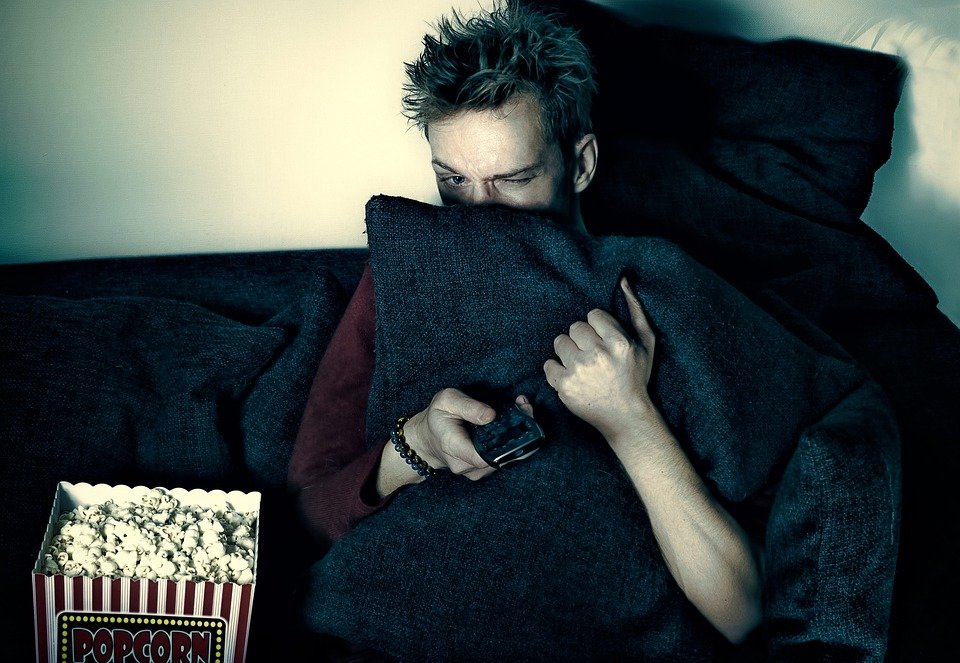
The Role of Children in Horror Cinema
The inclusion of children in horror movies has been a hallmark of the genre, often serving as a poignant reflection of societal fears, innocence lost, and the purity of childhood juxtaposed against evil forces. This evolving role has played a significant part in shaping the narrative arc and emotional impact of various horror films over the decades.
Historical Context
The depiction of children in horror films can be traced back to the early 20th century. Classic films, such as *The Cabinet of Dr. Caligari* (1920), showcased fear personified through unsettling imagery, establishing a precedent for children to be both innocent victims and harbingers of horror.
Notable Films and Trends
- The Omen (1976) – This film introduced the concept of the “evil child” with Damien, a character who serves as both an innocent child and an agent of malevolence, embodying the fear of the unknown and parental anxiety.
- Halloween (1978) – Directed by John Carpenter, this classic slasher film featured Jamie Lee Curtis as Laurie Strode, a character whose youthful vulnerability contrasts with the terror around her, influencing countless films in the genre.
- The Shining (1980) – Stanley Kubrick’s adaptation of Stephen King’s novel presented Danny Torrance as a child endowed with psychic abilities. His innocence is crucial to the narrative, showcasing how children can bear witness to horrors that adults struggle to comprehend.
- It (2017) – A modern adaptation of Stephen King’s seminal work brought a new generation of young actors to the forefront, portraying the Losers’ Club as they confront the horrifying clown Pennywise, reinforcing the idea of childhood camaraderie against external threats.
Cinematic Techniques and Themes
Different filmmakers have employed various techniques to underscore the significance of children in horror. Here are some notable approaches:
- Point of View Shots: Many films utilize children’s perspectives to evoke a sense of vulnerability. For example, in *The Babadook* (2014), the protagonist’s young son experiences fear in a manner that resonates with adult anxieties.
- Sound Design: Whispers, laughter, or unexpected sounds attributed to children often heighten the tension, turning innocence into a source of dread.
- Character Arcs: The evolution from innocence to awareness of horror is common, as evidenced in films like *The Others* (2001), where a child’s innocence drives the narrative’s emotional stakes.
Child Actors in Horror
Many young actors have left an indelible mark on the horror genre, often receiving critical acclaim and audience recognition for their performances. Notable child actors include:
- Harper J. Cuddy in *The Cabin in the Woods* (2012) – Portrayed a modern-day depiction of the innocent being thrust into terrifying scenarios, reflecting the shift towards self-awareness in horror films.
- Finn Wolfhard in *It (2017)* – His performance encapsulates the blend of youth and bravery, appealing to both nostalgia and contemporary fears.
- Mckenna Grace in *Ghostbusters: Afterlife (2021)* – Bringing a fresh perspective to the genre, her character gripped audiences with a blend of humor and fear, showcasing the evolving relationship between youth and the supernatural.
The Future of Children in Horror
As societal fears and filmmaking techniques continue to evolve, so too does the role of children in horror. While early films often presented them as innocent victims, modern narratives reflect a more complex understanding of childhood, showcasing resilience, agency, and even complicity in horror sequences.
In the contemporary landscape, the resurgence of themes surrounding childhood trauma, mental health, and sociopolitical issues indicates a continued evolution. As filmmakers experiment with storytelling, children in horror will undoubtedly adapt to mirror the complexities of modern fears while maintaining their integral role in the genre.






