























Recall of Baby Formula Linked to Shared Supplier
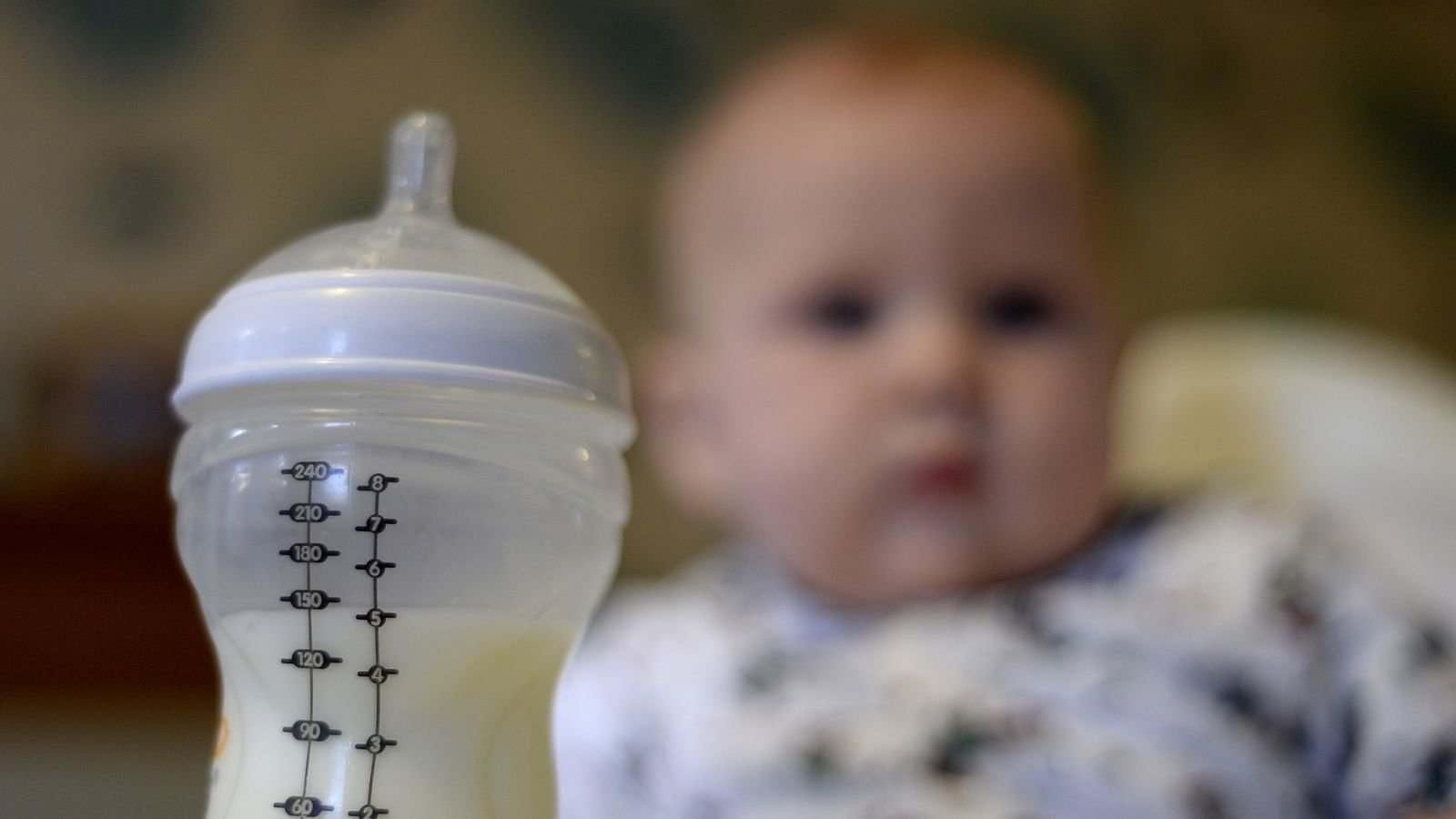
Two distinct recalls of baby formula by Nestlé and Danone this month have been traced back to a common ingredient supplier, as confirmed by the Food Standards Agency (FSA). The contamination concerns primarily involve the Nestlé SMA and Danone Aptamil products, prompting urgent safety measures.
Details of the Recalls
On January 23, Danone initiated a recall of a specific batch of its Aptamil baby formula amid fears that it could contain cereulide toxin, which is known to cause vomiting and stomach cramps. The FSA reported that this toxin was found in the affected batch distributed within the UK, although only one batch was deemed problematic domestically. However, other batches across various nations were also implicated.
Similarly, Nestlé announced the recall of its baby formula products on January 6, also involving concerns regarding the cereulide contamination. They confirmed that the issue stemmed from ingredients supplied by a well-known supplier.
Health Advisory and Next Steps
Jodie Wild, head of incidents at the FSA, urged consumers who may have purchased the affected products to cease use immediately and switch to alternative formulas. She advised those who received formula via medical prescription to consult a healthcare professional for guidance before making any changes. Parents concerned about potential adverse effects on their children should seek advice from their GP or call NHS 111.
The FSA is currently collaborating with manufacturers to track all products that may have used ingredients from the implicated supplier, ensuring the swift removal of affected items from retail outlets. The agency is also coordinating with the UK Health Security Agency (UKHSA) and local authorities to conduct further testing where necessary.
Background
The recent recalls highlight ongoing concerns about the safety of infant food products, particularly as issues of contamination can pose serious health risks to vulnerable populations such as infants. The FSA’s proactive engagement with manufacturers indicates a commitment to consumer safety and product integrity amid rising scrutiny over food quality standards.
In a related incident earlier this month, a mother whose baby became seriously ill after consuming the recalled formula advocated for an investigation into the safety practices of these major food manufacturers. In response to public concerns, Nestlé has categorically stated that there is no connection between their recall and meningitis, clarifying that cereulide does not cause or transmit the disease.
Source: Original Article






