Energy Prices Surge Amid Supply Disruptions
UK households and businesses are facing escalating energy costs as wholesale natural gas prices continue to rise. Market experts attribute this increase to heightened demand and supply chain disruptions caused by extreme weather conditions in the United States, significantly impacting gas and electricity markets across Europe.
Impact of US Weather on European Markets
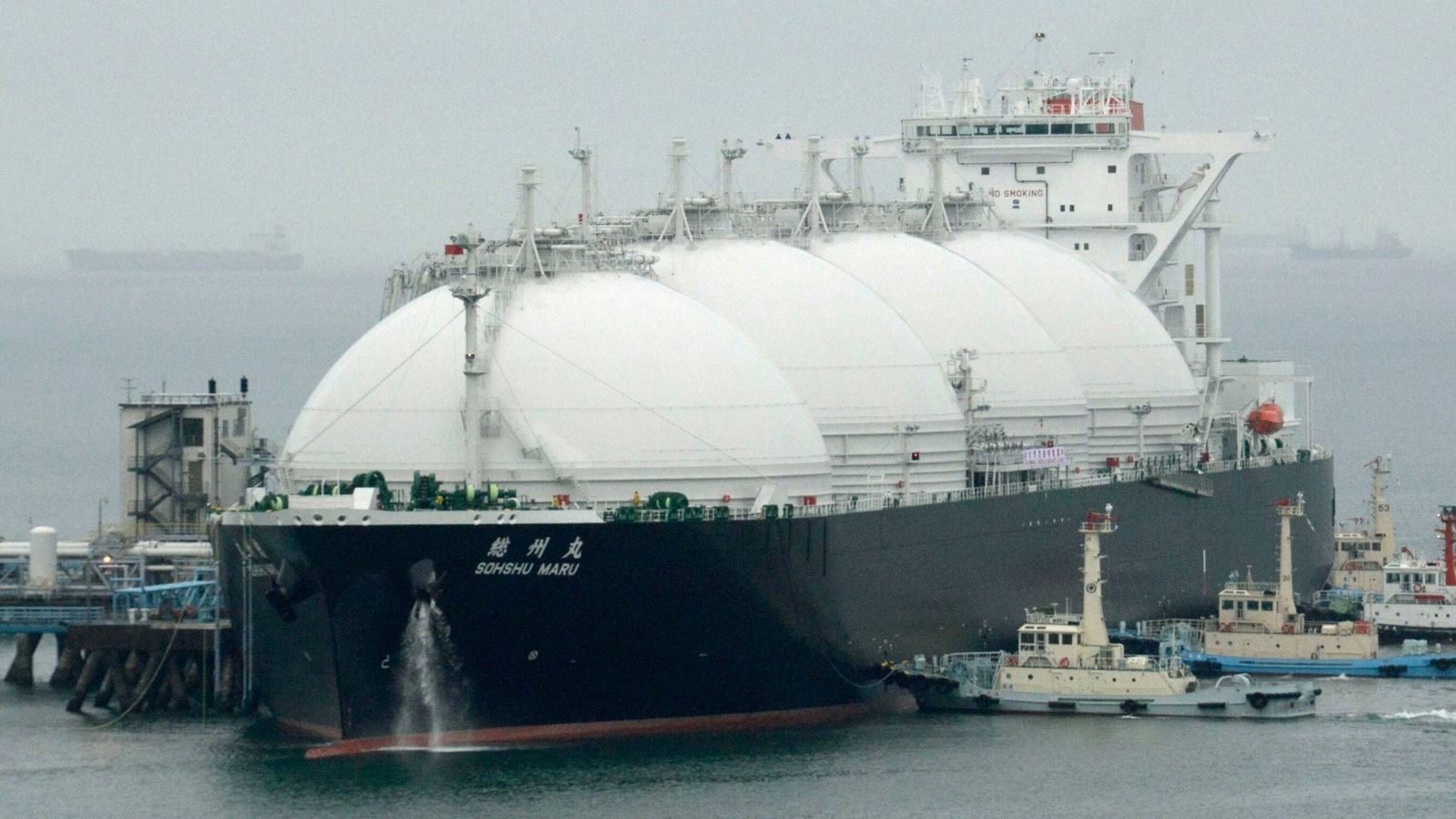
Both day-ahead and month-ahead gas contracts experienced a noticeable increase on Monday, with the February delivery price for the UK soaring by over 45% since the beginning of the month. The severe cold gripping the US, where 37 states are experiencing frigid temperatures below -20C, has caused notable delays in liquefied natural gas (LNG) supplies. This extreme weather is expected to persist, further complicating market conditions.
As European gas storage sites report levels at only 45.6% of capacity—well below the five-year average—concerns grow over adequate supply to meet winter demands. The situation has led to an increase in pipeline costs, pushing UK wholesale prices to an 11-month high.
Experts Weigh In on Future Prices
Tom Marsec-Manser, a director at Wood Mackenzie, highlighted that while there are concerns regarding low storage levels by the end of March, the risk of an actual gas shortage remains mitigated. However, he noted that higher prices may be necessary to attract LNG shipments that could otherwise be redirected to Asian markets.
In addition, he anticipates that LNG production in the US will achieve historic highs this year, with both the UK and Europe expected to import record amounts of LNG by 2026. This growth in global supply could help alleviate some price pressures in the long term.
Short-Term Pressure from Weather Disruptions
The immediate market pressures due to US weather patterns have created concerns about pipeline supplies, especially as colder temperatures are predicted for northern Europe in the coming weeks. As a result, the UK’s energy regulator, Ofgem, is set to announce the price cap for the next three months starting in April, which may reflect these increases.
According to Matt Turner-Tait from the consultancy BFY Group, while current prices are surging, the longer-term forecast shows a more modest increase of about 15% for the second and third quarters, indicating that the current situation may represent a temporary spike rather than a fundamental shift in the overall market.
Background
This price increase follows a period in 2022 when LNG prices were significantly reduced due to weak demand in Asia and an oversupply from the market. However, the ongoing conflict in Ukraine has put additional strain on energy supplies across Europe, highlighting the delicate balance of the continent’s energy reliance, particularly on Russian gas.
The UK government has taken steps to mitigate some of the financial burden on consumers by lowering policy costs in energy bills, although rising infrastructure costs have become a predominant factor in price cap adjustments.
As energy markets navigate these complex challenges, the focus remains on ensuring a stable and affordable energy supply for consumers across the UK.
Source: Original Article