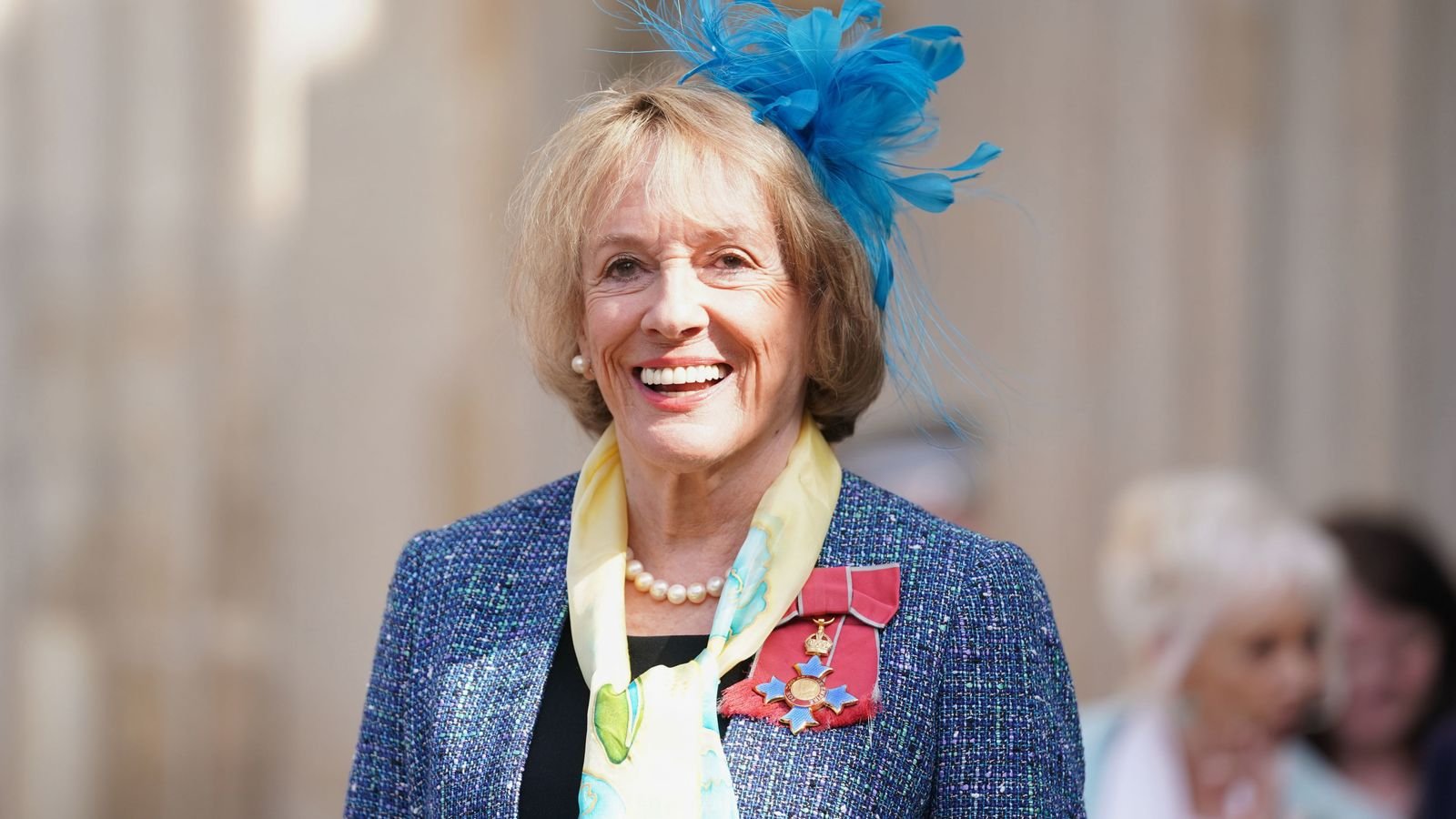
Dame Esther Rantzen Speaks on Terminal Cancer and Advocates for Assisted Dying Legislation
Dame Esther Rantzen has opened up about her experiences living with terminal cancer, reflecting on her surprise at having seen Christmas last year. She has strongly condemned the delays surrounding proposed assisted dying legislation in the UK.
Embracing the Reality of Illness
In an interview on Mornings With Ridge And Frost, Rantzen shared her acceptance of the irreversible nature of her condition, noting that while there is no cure for her cancer, treatments have successfully extended her life by three years. As a prominent television figure famed for her time on the BBC’s That’s Life, she revealed that she joined Dignitas shortly after her diagnosis in 2023, describing existing laws on assisted dying as disorganized and in urgent need of reform.
Legislative Advocacy
Rantzen is a vocal supporter of the Assisted Dying Bill, formally titled The Terminally Ill Adults (End of Life) Bill, which is currently progressing through Parliament. She expressed concern that even if the legislation were to pass, it would be too late to benefit her personally. “I’ve always been fighting for future generations,” she stated, underscoring her belief that individuals facing terminal illness should have the choice regarding their end-of-life decisions.
Criticism of Delays
The veteran broadcaster accused members of the House of Lords of acting inappropriately, alleging that special interest groups—some representing disabilities and religious sects—are obstructing the bill. According to Rantzen, these groups are using various methods to impede its progress despite widespread public support and prior approval from the House of Commons. “This is not how democracy should function,” she remarked, urging the Lords to reconsider their responsibilities.
Expectations for Change
Amid her advocacy for assisted dying, Rantzen highlighted recent advancements in cancer treatment, referencing an announcement from the NHS regarding the extension of a pilot programme aimed at utilizing AI and robotics to enhance early detection methods for lung cancer, which is the third most prevalent cancer in the UK. She expressed optimism that these innovations signal a transformative period in cancer care.
Concerns Regarding Screening Programs
Since the launch of the NHS screening programme in 2019, approximately 1.5 million smokers or former smokers have been invited to undergo lung health assessments; however, the qualification age has sparked concern for Rantzen. She questioned why those over 75, including herself at 85, are excluded from the programme, arguing that age should not be a limiting factor in health assessments.
Background
Lung cancer affects over 49,000 individuals in the UK annually. Rantzen conveyed her understanding of the frustrations faced by those unable to receive treatment, highlighting the importance of early intervention to improve life expectancy. The ongoing discussions surrounding assisted dying legislation underscore a significant ethical and societal debate in the UK, reflecting changing perspectives on end-of-life choices.
Source: Original Article