UK-China Relations: A Frosty Decade and Future Opportunities
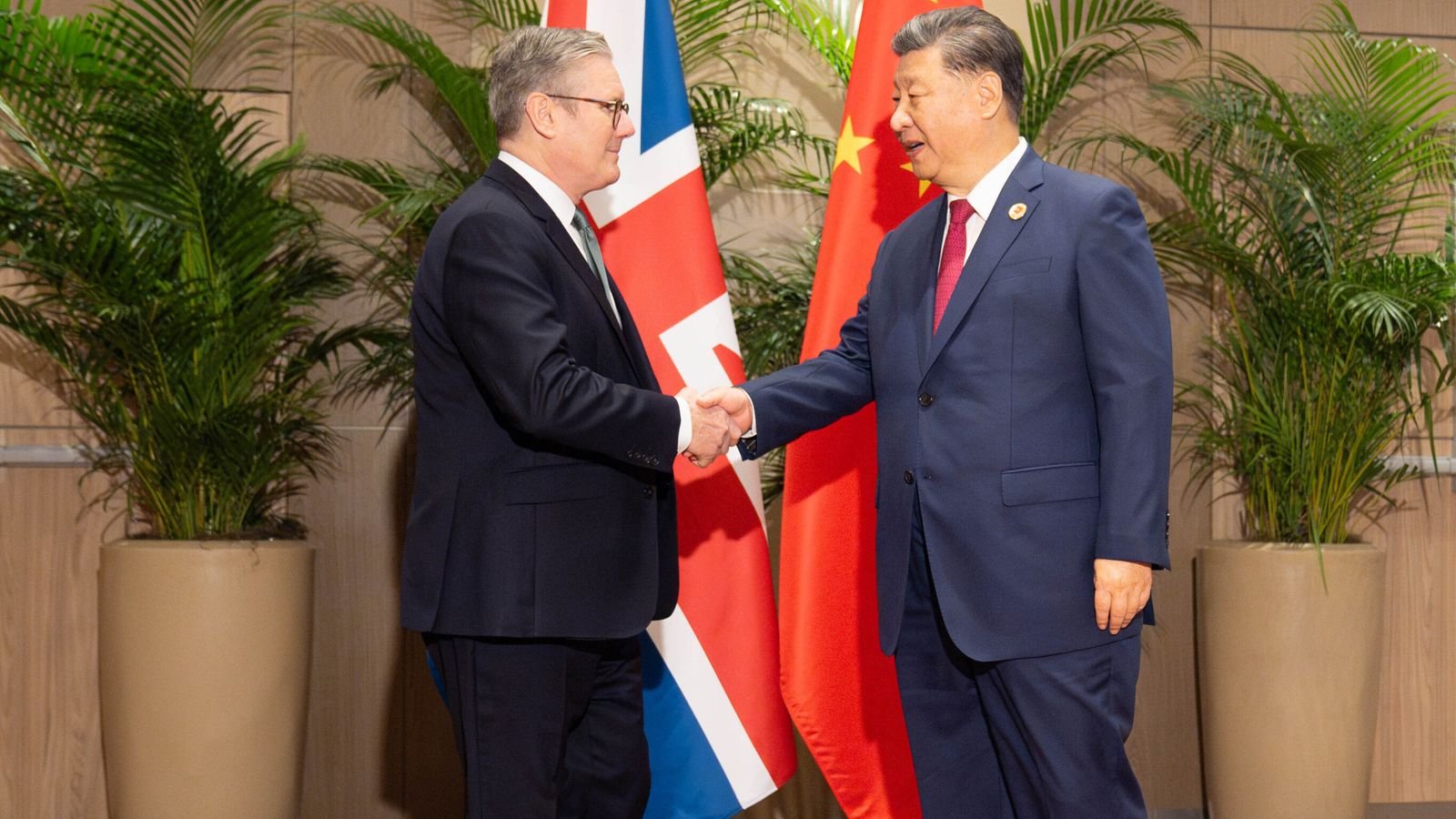
As Prime Minister Sir Keir Starmer prepares for a pivotal visit to China, the backdrop is marked by a significant shift in UK-China relations over the past decade. Once lauded as a “golden era,” ties between the two nations have strained considerably since David Cameron’s infamous trip to a Buckinghamshire pub with President Xi Jinping in 2015.
Changing Dynamics
Over the last ten years, China has transformed into a more self-sufficient and assertive player on the global stage, while the UK has stumbled through a series of inconsistent policies regarding China. The last visit by a British prime minister to Beijing occurred under Theresa May eight years ago, leaving the UK in a reactive position as it grapples with how to engage effectively with the world’s second-largest economy.
Starmer’s Approach
Starmer has signalled an intention to cautiously re-establish relations with China, arguing that disengaging from such a significant market is not an option. His challenge will be to balance the potential economic benefits with public sentiment that is increasingly wary of China due to human rights issues, military assertiveness, and the impact of the COVID-19 pandemic.
Trade and Investment
A primary focus of the upcoming discussions will be on strengthening trade ties. Starmer is accompanied by a noteworthy delegation from the UK business sector, aiming to explore mutual economic interests. The UK primarily exports services like legal, financial, and educational support to China, while importing a range of manufactured goods.
While the likelihood of initiating a comprehensive trade agreement is low due to the political complexities involved, smaller agreements aimed at boosting market access and reducing barriers in crucial areas such as renewable energy are expected.
National Security Concerns
One of the most pressing points of contention will revolve around national security and espionage, which have become significant concerns for the UK government. Recent accusations of Chinese state involvement in UK affairs have made this subject particularly sensitive, with Starmer needing to tread carefully to protect the UK’s interests.
Issues surrounding the establishment of a new Chinese “mega embassy” in London have further intensified these discussions, as critics argue it poses risks for UK’s national security.
Contentious Issues on the Agenda
During his visit, Starmer may face numerous challenging topics. The ongoing conflict in Ukraine, for instance, could prompt calls for Xi to leverage his influence over Russia to halt hostilities. Additionally, the matter of Jimmy Lai, a British citizen imprisoned in Hong Kong on politically motivated charges, is likely to arise, with Starmer potentially seeking to advocate for his release.
How Does China View the UK?
In the broader context of international relations, China perceives the UK as a lesser player due to its close alignment with the United States and inadequate engagement compared to other European nations. Nonetheless, this visit represents a valuable opportunity for China to strengthen its influence, particularly in the wake of tensions between Europe and the United States.
Despite the underlying scepticism, China is expected to make overtures, such as proposals for visa-free travel for British citizens, as part of its strategy to convey a cooperative image amid evolving geopolitical dynamics.
Background
The past decade has fundamentally altered the landscape of UK-China relations, transitioning from optimistic collaboration to a more cautious and critical engagement. As both nations grapple with security concerns and global economic challenges, the successful navigation of this complex relationship will be crucial for the future of UK trade and international standing.
Source: Original Article