






















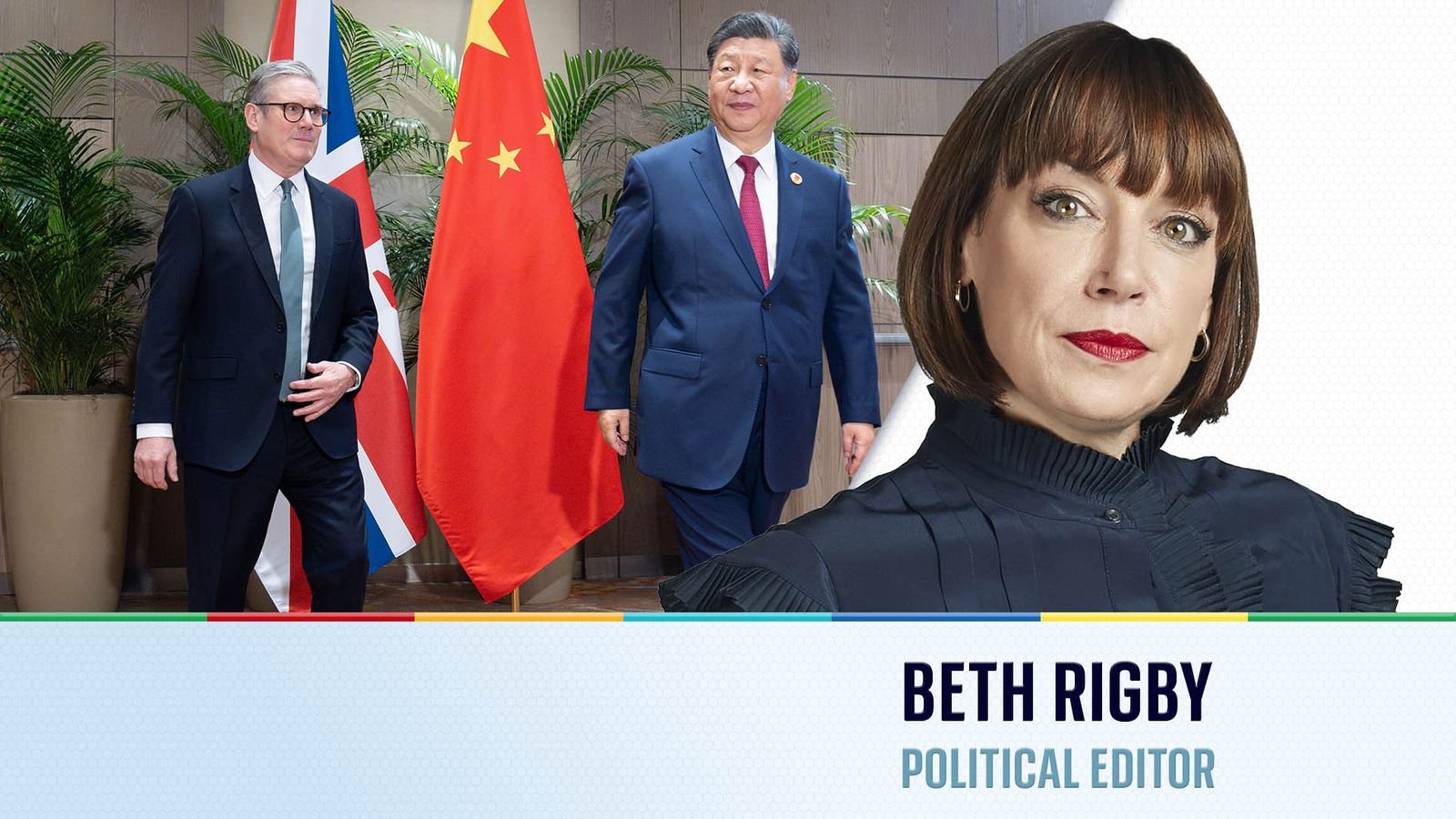
Starmer’s Critical China Visit Amid Political Turmoil
Keir Starmer is embarking on a pivotal visit to China this week amid turbulent political circumstances at home. This marks the first trip by a UK prime minister to China since Theresa May in 2018, and its timing aligns with significant domestic challenges, including rising tensions within the Labour Party and a faltering cost-of-living agenda.
Political Landscape and Domestic Challenges
The beginning of January has proven particularly difficult for Starmer, characterized by a crisis involving Greenland and rising tensions with former US President Donald Trump. Additionally, internal party disputes have been exacerbated by Andy Burnham’s recent comments regarding an unexpected by-election.
As Starmer prepares to depart, he must navigate these domestic pressures while facing criticism over his approach to China. The geopolitical landscape has shifted, with growing skepticism towards Beijing fueled by concerns over national security and human rights abuses.
Aims for the Visit
Starmer’s trip to China aims to strengthen trade relationships with the world’s second-largest economy. He anticipates that enhanced economic ties will bolster the UK economy while addressing urgent cost-of-living issues, which he has prioritized since taking office. During his visit, Starmer will be accompanied by a delegation of 60 business and cultural leaders, emphasising a concerted approach to generating economic opportunities.
International Relations and the US Factor
Starmer’s visit comes at a time of strained relations between the UK and China, which have soured significantly since David Cameron’s declaration of a “golden era” in UK-China relations over a decade ago. This period has seen increasing apprehension in London over Chinese activities, including concerns about espionage and human rights violations affecting the Uyghur population and Hong Kong’s democracy.
The visit carries risks, particularly given the unpredictable nature of US-UK relations under President Trump’s erratic leadership. Recently, Trump threatened tariffs against Canada if the UK solidified trade ties with China, heightening the stakes for Starmer as he attempts to balance these complex dynamics.
Economic Implications and Opportunities
Starmer’s administration recognizes the need to engage economically with China, especially as it serves as the UK’s third-largest trading partner, supporting approximately 370,000 jobs. His outlook is not without controversy, as some voices within the UK Parliament express significant discomfort regarding the implications of a Chinese mega-embassy being permitted in London.
In an interview preceding his trip, Starmer articulated his desire for a consistent and stable British approach towards China, aiming to avoid drastic swings from “Golden Age to Ice Age” in bilateral relations. He maintains that the UK can pursue vibrant trade relations while safeguarding national security.
Background
The increase in geopolitical complexities surrounding the UK has prompted leaders in Europe to engage with China, underscoring the UK’s necessity to realign its diplomatic strategies. Starmer aims to foster a climate that facilitates trade while curbing growing domestic scrutiny regarding China’s influence within the UK.
Despite the potential benefits outlined by Starmer, his domestic popularity remains precarious, particularly among party members upset by his decisions regarding party leadership dynamics. The prime minister’s choice to prioritize international engagements may raise questions about his commitment to addressing pressing domestic issues.
As Starmer ventures into these multifaceted discussions in China, he hopes to strike a balance that could ultimately strengthen both Britain’s economy and his position within the UK’s political landscape.
Source: Original Article






