The Situation in Iran: A Brutal Crackdown on Protests
Following a violent wave of civil unrest, Iran’s government has re-established a pervasive atmosphere of fear throughout the nation. Despite their efforts to maintain authoritative control, revelations about the regime’s actions indicate a systematic concealment of the events unfolding in the country.
Internet Blackout and Limited Communication
Since the government-imposed communications blackout that began on January 8, 2023, intermittent access to the internet has resumed. However, reaching out to individuals within Iran remains challenging, as citizens face immense risks in attempting to communicate their experiences.
Eyewitness Accounts from Medical Professionals
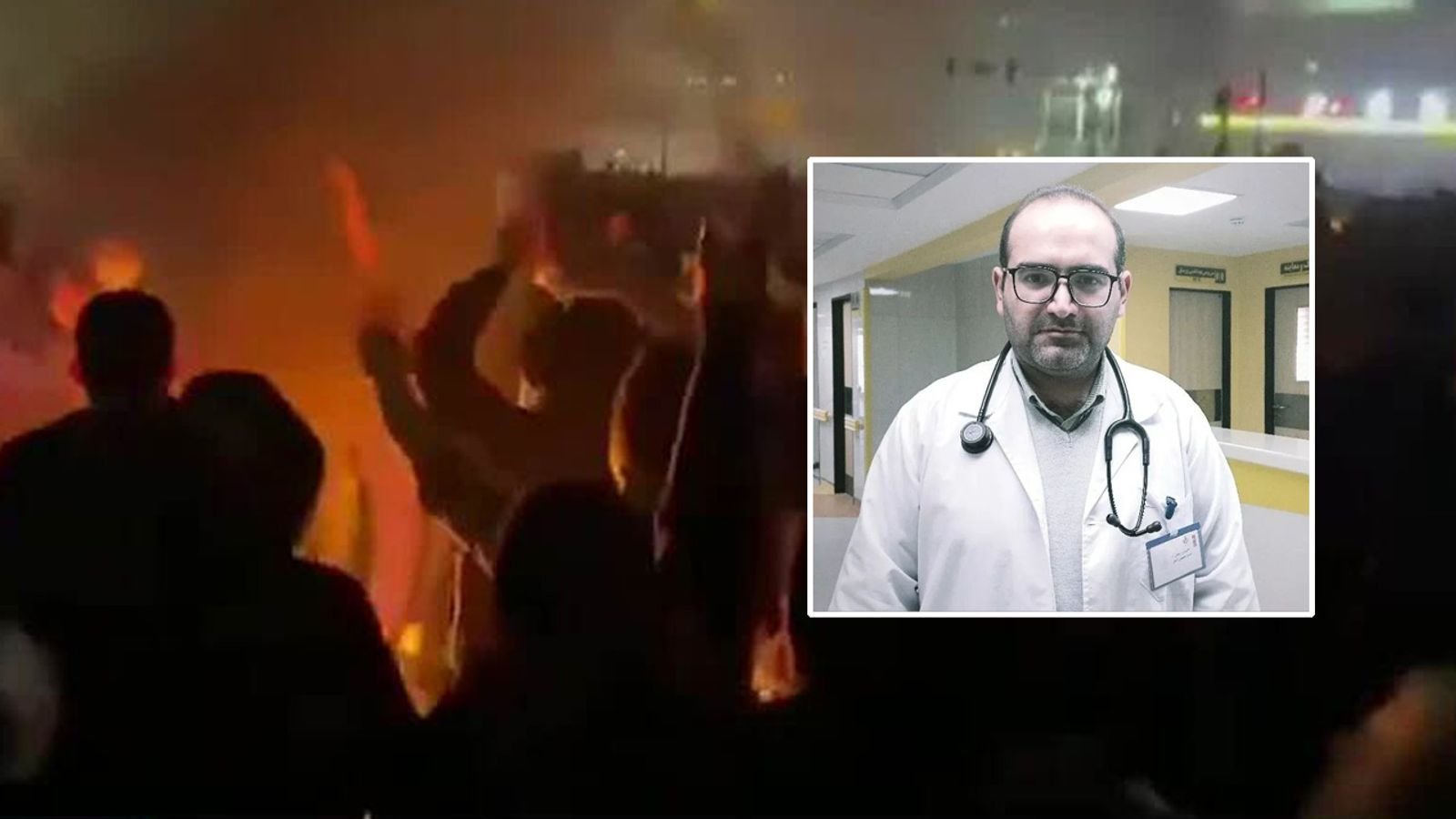
Dr. Yaser Rahmani-Rad, an internal medicine specialist in Tehran, has spoken out about the regime’s oppressive actions during the crackdown. He described pressure within hospitals to discharge patients to make way for security personnel receiving treatment for injuries sustained during the protests. “Any patient present was instructed to leave, regardless of their medical conditions,” he explained.
Reports have surfaced of security forces entering medical facilities, with disturbing images depicting their encroachments at clinics like Imam Khomeini Hospital. Such incursions illustrate an alarming trend where patients have reportedly been removed from critical care, with some being denied necessary medical attention as part of an explicit directive to let them die due to their opposition to the government.
The Targeting of Healthcare Workers
The intimidation extends to medical professionals who treat injured demonstrators. Six cases of healthcare workers facing arrest for providing medical assistance to protesters have been confirmed by human rights organizations. One such doctor, Alireza Golchini, who publicly pledged to help injured individuals, was reportedly beaten and detained by authorities.
The Human Cost of Crackdown
The Iranian government claims that 3,117 individuals have died in the recent unrest, primarily among security forces and civilians, while human rights activists assert the actual toll could be significantly higher. Data gathered by various organizations indicates a staggering estimate of over 23,000 deaths, with reports still pending for numerous cases.
Dr. Amir-Mobarez Parasta, a Germany-based eye surgeon and advocate for Iranian reform, has indicated that at least 25,654 deaths have been documented within medical facilities since protests escalated, with a notable concentration in Tehran.
Seeking Medical Attention Abroad
In light of the dangers associated with seeking care in Iranian hospitals, some injured protesters are turning to international healthcare professionals for assistance. Dr. Panteha Rezaeian, based in California, has received desperate calls from affected individuals unable to pursue treatment locally for fear of arrest.
Dr. Rezaeian expressed concern over the deteriorating conditions of those refusing hospital care, noting, “Many are at risk of life-threatening complications due to untreated injuries.”
Background
Iran has been the stage for civil protests against the ruling regime, a situation intensified by socio-economic grievances and civil liberties violations. The government’s heavy-handed response, marked by violence and repression, has drawn condemnation from international human rights organizations, prompting concerns over the state of human rights in Iran and its implications for global security.
The increasing involvement of the international community, particularly as accusations of governmental tyranny mount, underscores a fragile situation that continues to evolve and requires global attention.
Source: Original Article