























Nipah Virus Outbreak Fuels Precautionary Measures in Asia
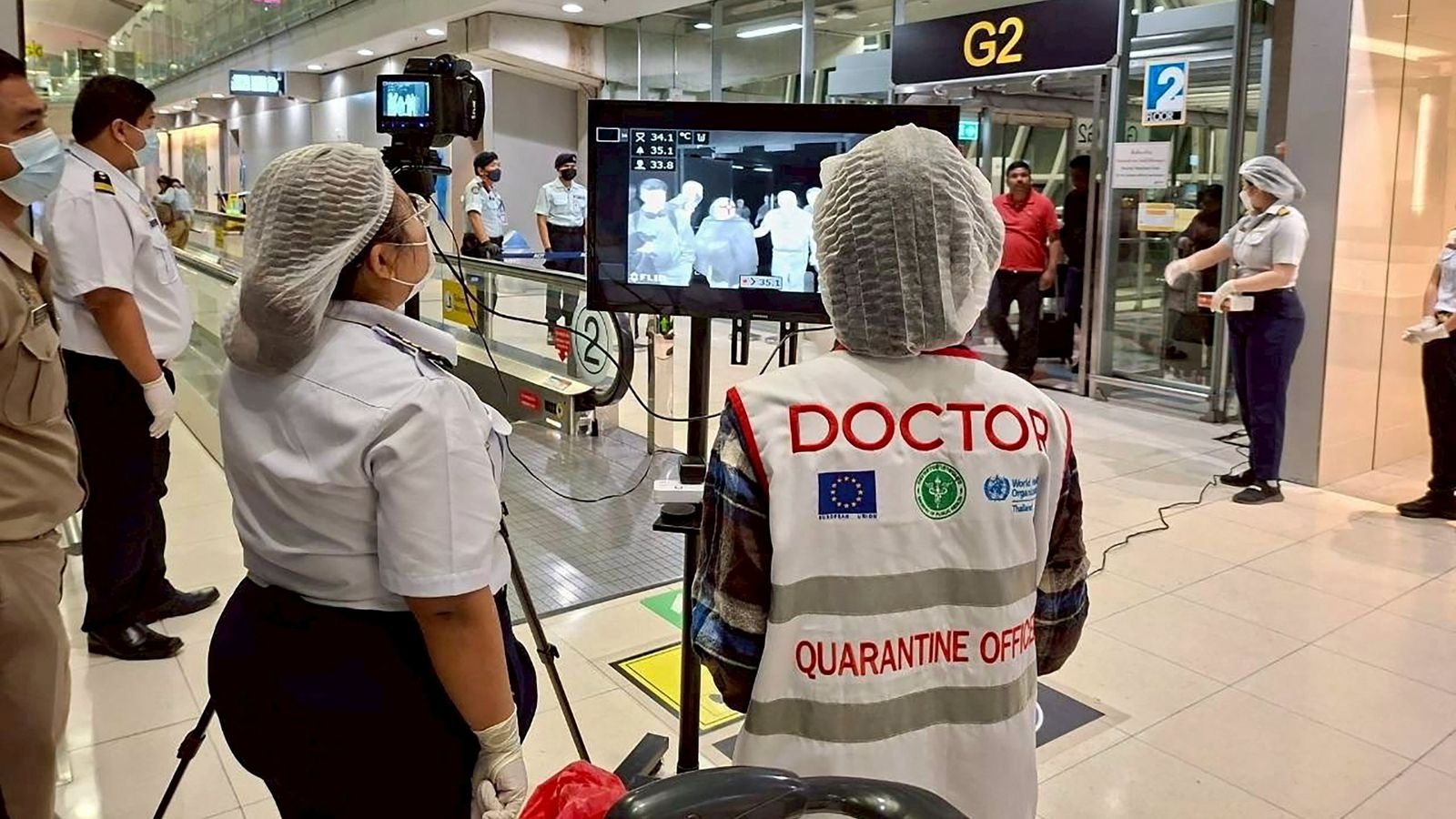
A surge of concern has emerged following two confirmed cases of the Nipah virus in India, prompting airports across Asia to enact immediate health monitoring measures. Temperature screenings have been introduced in Singapore, Thailand, and Malaysia to curb the virus’s potential spread.
Current Situation in India
According to a statement from the Indian health ministry on 27 January, the reported cases in West Bengal are under control. However, measures to prevent further transmission remain active in neighbouring countries, including Nepal and Hong Kong.
Although the UK has not recorded any cases of Nipah virus, the UK Health Security Agency (UKHSA) has provided guidance for British nationals who plan to travel to regions where the virus is known to circulate.
Understanding Nipah Virus
Nipah virus is classified as a zoonotic infection, meaning it can transfer between animals and humans. The World Health Organization (WHO) highlights its ability to spread rapidly through close contact and the consumption of contaminated food.
The virus is primarily associated with fruit bats, specifically the large flying fox. Pigs and other animals can also act as hosts.
Symptoms of Infection
Infected individuals can experience a spectrum of symptoms, ranging from none at all to severe conditions like encephalitis, which involves inflammation of the brain. Common symptoms include:
- Fever
- Headaches
- Muscle aches
- Vomiting
- Sore throat
More severe symptoms may follow, such as dizziness, drowsiness, and neurological disturbances indicative of acute encephalitis. While many recover fully from the virus, there have been instances of relapse, and the estimated fatality rate ranges from 40% to 75%, varying by outbreak.
Treatment Options
At present, there is no established treatment specifically for Nipah virus. Research is ongoing into vaccine development, although these are still in testing stages. Management of infected patients typically requires intensive hospital care to address critical respiratory or neurological complications.
Global Response to the Outbreak
In response to the recent cases, Singapore’s Communicable Diseases Agency announced on 28 January that passengers arriving from affected Indian regions would undergo temperature checks at airports. Additionally, health authorities in Thailand are mandating health declarations for travellers from regions experiencing Nipah infections.
China’s disease control authorities have acknowledged potential risks from imported cases, while Nepal has put enhanced screening protocols in place.
Travel Advisory for UK Residents
The UKHSA advises Britons to exercise caution when visiting areas affected by the Nipah virus. Key recommendations include avoiding direct contact with bats and sick animals, thoroughly washing fruit before consumption, and wearing protective clothing when dealing with ill animals or patients.
Maintaining good hygiene practices, especially after contact with sick individuals, is also important in limiting exposure.
Background
The Nipah virus was first identified during an outbreak among pig farmers in Malaysia in 1999, with Singapore also affected. India is recognised as a high-risk area for possible Nipah outbreaks, with human infections frequently reported in Bangladesh since its emergence in 2001. The recent cases in West Bengal mark the first incidence in the region in nearly twenty years, following a deadly outbreak in 2007.
The global health community is closely monitoring the situation given the swift movements of the virus and its considerable health implications.
Source: Original Article






