






















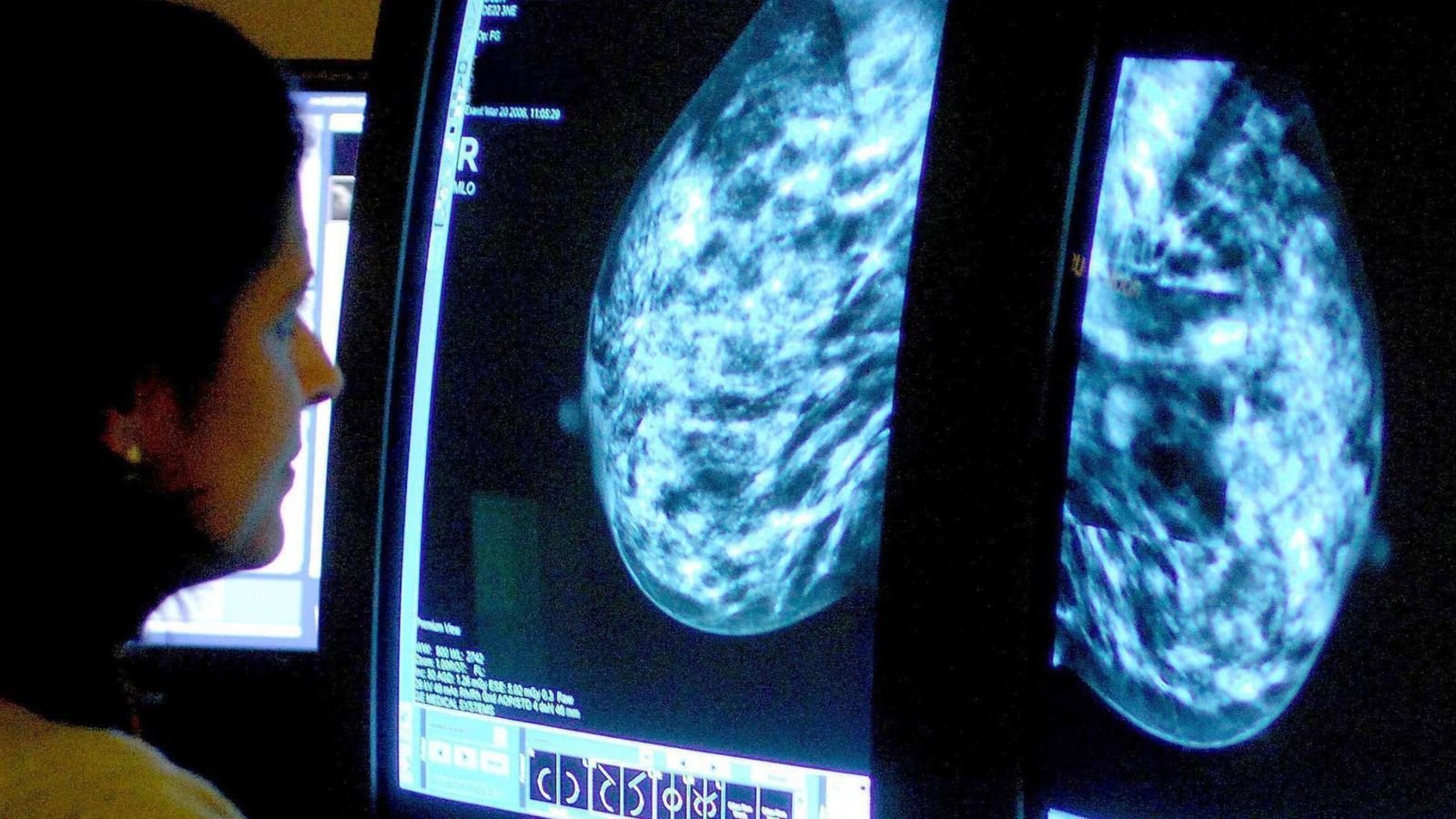
AI Technology Demonstrates Promise in Breast Cancer Screening
A recent study highlights the effectiveness of AI-supported mammography in reducing the incidence of aggressive and advanced breast cancers. Conducted with over 100,000 women in Sweden, the trial suggests that integrating this technology into existing screening programmes could enhance cancer detection rates.
Study Findings
The trial revealed that diagnoses of breast cancer following AI-assisted mammography were 12% lower than traditional methods. Notably, women using this advanced screening were less likely to face diagnoses of aggressive or late-stage cancers in subsequent years. This marks a significant improvement in early detection, which is crucial for effective treatment.
When comparing the rates of interval cancers—those diagnosed between routine screenings—the research indicated a reduction from 1.76 cases per 1,000 women in the control group to 1.55 in the AI group, constituting a 12% decline. Additionally, 81% of cancer cases were identified during AI-supported screenings, compared to 74% in traditional screenings. Importantly, the rate of false positives remained consistent across both methodologies, highlighting the reliability of AI in this context.
Background of the Study
The Swedish randomised control trial involved a diverse group of participants and systematically assigned them to either AI Assistance or standard mammographic readings by radiologists. The AI algorithm was trained using over 200,000 breast exams sourced from numerous countries, ensuring comprehensive data analysis and robustness.
European protocols recommend dual radiologist assessments for mammograms, yet a considerable percentage of cancers can still go undetected. Estimates suggest that interval cancers, which are identified after a negative screening, could range from 20-30% of cases that should have been identified during initial evaluations. This underscores the pressing need for improved detection methods in mammography.
The Path Forward
Lead researcher Dr Kristina Lang from Lund University emphasised that this groundbreaking study is the largest yet examining AI’s role in cancer screening. She noted the potential for AI technology to improve early detection rates and reduce the frequency of advanced cancer diagnoses.
Dr Lang cautioned that while AI offers significant benefits, its implementation must be carefully monitored to ensure data integrity across various screening programmes. PhD student Jessie Gommers, also involved in the study, underscored that although AI can assist in the screening process, the presence of at least one human radiologist remains essential. The integration of AI technology could relieve a considerable burden on healthcare professionals, potentially decreasing patient waiting times.
Conclusion
The findings from this study not only reinforce the potential of AI to transform breast cancer screening but also highlight the need for ongoing vigilance in its implementation. As researchers strive for improvements in cancer detection, the blending of technology and human expertise presents a promising frontier in medical diagnostics.
Source: Original Article






