Severe Flooding Devastates Southern Mozambique
In southern Mozambique’s Gaza province, the aftermath of catastrophic flooding has left many communities isolated and in dire need of assistance. With agricultural areas submerged and transport routes cut off, local populations are grappling with a severe shortage of food and medical supplies.
Impact of the Flooding
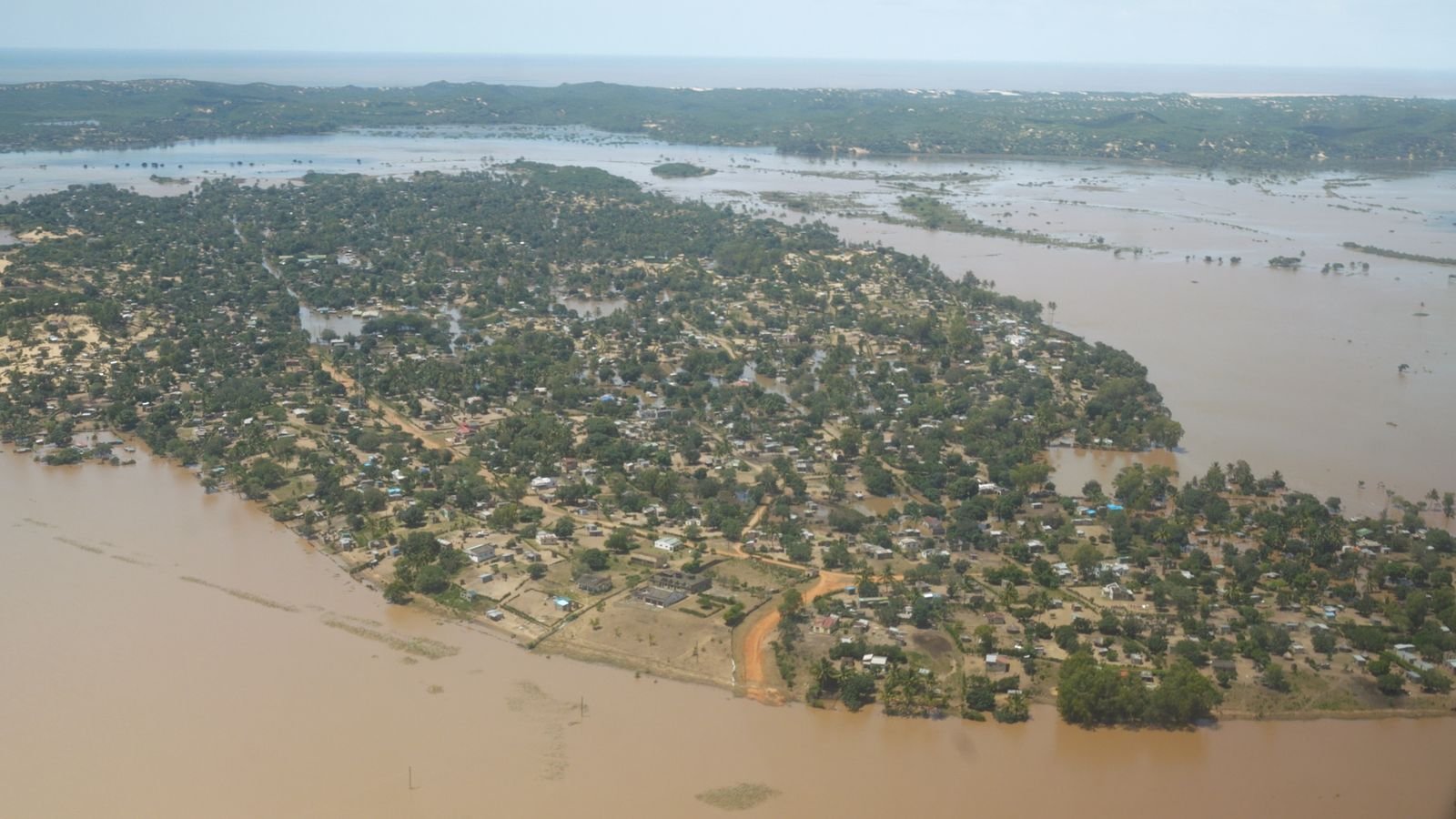
The Limpopo River’s banks have broken, creating vast expanses of brown water that extend indefinitely. From a Mercy Air helicopter delivering emergency supplies, aid workers witness the extent of the devastation. Pilot Samuel Lips highlighted the challenging situation, noting that the makeshift island of Mexinguine is too large to evacuate, yet its rice fields are now underwater.
The roads connecting local communities have been rendered impassable, isolating residents on higher ground. Essential facilities, including hospitals and clinics, have been partially submerged, complicating efforts to deliver aid. “That is a soccer field. Right next to it, completely submerged, is the hospital,” Lips remarked as the helicopter approached a landing zone near a surviving clinic.
Urgent Need for Aid
The sight of helicopters landing is a welcome disturbance for the desperate inhabitants. “We need food, we need water, we need shelter,” pleaded nurse Luis Mauricio, who has been attending to patients suffering from various ailments exacerbated by flooding. He described an alarming rise in cases of diarrhoea, vomiting, and malaria amongst vulnerable groups, including children and nursing mothers.
Many locals are facing extreme hardships with no access to untainted drinking water, further endangering their health. Raqualina Tamele, a patient at the clinic, expressed her distress, stating, “We are alive, but the floods are troubling us.”
Challenges for Humanitarian Efforts
The scale of the disaster has overwhelmed aid organisations. Complicating their efforts, at least 400,000 individuals in Gaza province alone have been impacted, with an area comparable to Cyprus now underwater. Climate change has exacerbated these flooding incidents, making southern Mozambique particularly vulnerable to extreme weather conditions.
According to Gaspar Sitefane, the Water Aid country director, the situation has been worsened by interconnected water systems with surrounding nations like South Africa and Zimbabwe. With the continuing rains, Mozambique’s land and livelihoods have been at the mercy of severe floods.
Displacement and Recovery
Many families have lost their homes as floodwaters engulfed streets and infrastructure. Schools have been transformed into temporary shelters for thousands who have been displaced. This has prompted the Mozambican government to delay the commencement of the school year, affecting approximately 420,000 students.
Evacuation efforts by local authorities, including Marracuene’s Mayor Shafi Sadat, have seen thousands rescued from the floodwaters, but the challenges of feeding and housing these individuals remain significant. “There is a lot of damage – in agriculture we’ve lost everything,” he reported, stressing the reliance on farming in these communities.
Background
Flooding in Mozambique is not a new occurrence, but the severity has intensified, often attributed to climatic shifts, making regions like Gaza province particularly vulnerable. Past extreme weather events have shown the need for robust disaster preparedness and international support for affected communities.
This situation underscores the interconnectedness of climatic events across borders, demonstrating how environmental changes can ripple through entire regions, affecting millions and calling for urgent collective action.
Source: Original Article