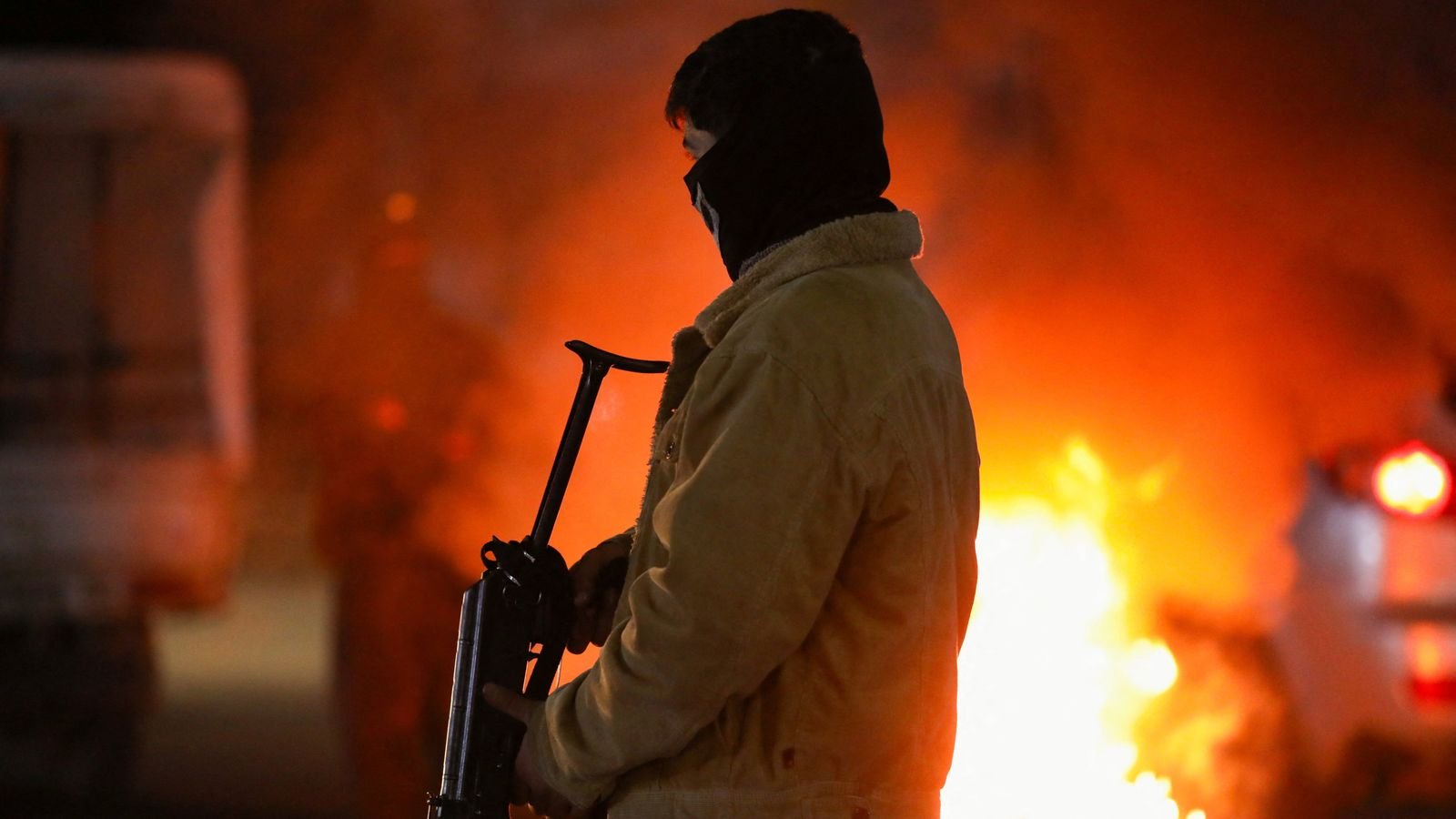
Northeast Syria Faces Escalating Tensions Amid Government Advances
The northeastern region of Syria is witnessing a significant shift in control, causing concern over the already fragile balance of power. Kurdish leaders, who have governed this area with considerable autonomy for over a decade, are increasingly alarmed by recent military advances from Syrian government forces, jeopardising their political future and way of life.
Changing Landscape: Kurdish Forces on High Alert
Kurdish fighters have reported that they are ready to defend their territory against the advancing Syrian government troops. Tensions have heightened as the forces allied with interim President Ahmad al Sharaa have pushed into Kurdish-held areas, leading to skirmishes that threaten regional stability. Many locals feel abandoned by the United States, accusing it of realigning its support towards the government in Damascus.
The Kurdish-led Syrian Democratic Forces (SDF), who previously collaborated with the US and its allies to combat the Islamic State, are now facing an erosion of control over territory. Once a stronghold for Kurdish leadership, the city of Hasakah is now on edge as government forces continue their offensive.
An Eroding Autonomy
Major cities like Raqqa, once taken from ISIS by Kurdish forces, have now reverted back under government control. This shift raises concerns about the fate of al Hawl camp, which houses families associated with the Islamic State. Following recent incursions, chaos erupted, highlighting the precarious situation for thousands of detainees.
- Conditions in Camps: The atmosphere in al Roj camp, where Kurdish forces still maintain control, has markedly soured. Residents there endure overcrowded and dire living conditions, with many expressing a longing for an escape from their bleak reality.
One of the residents, a young woman named Zeelan, has been trapped in the camp for nearly a decade, ever since her parents joined ISIS. Now 20, she articulates a collective despair, stating, “We want to go out, get an education, and live our lives.” She fears not only her present but also the possibility of dying within the confines of the camp.
Perception of Threats from the Government
With advances from the government, the camp’s head, Hikmya Ibrahim, noted a chilling change in sentiment among the women, with many feeling empowered yet fearful of a resurgence of extremist ideologies. This potential return to a past dominated by the Islamic State has left residents anxious about their safety and future.
The precarious status of the Kurdish semi-autonomous region is compounded by the potential loss of control over vital oil and gas reserves, positioning the Kurds in a strategic albeit dangerous situation as the new government asserts its authority.
Background
Syria has been embroiled in a protracted civil war since 2011, resulting in significant territorial disputes. The Kurdish-led administration had carved out an autonomous region in the north and east of the country that now faces increasing pressure from a reorganised Syrian government intent on reclaiming its territorial integrity.
Rising Civilian Concerns
Civilians caught in the crossfire have already begun to flee to safer areas, seeking refuge in places like mosques amid the escalating conflict. Residents like Shireen Abdul Fattah have shared harrowing accounts of violence and oppression, expressing a palpable fear of airstrikes and government reprisals aimed at Kurdish communities.
As the situation unfolds, the Kurdish leadership has conveyed that they will only consider disarmament under strict security conditions and a guarantee of some level of political autonomy. With rising military tensions and the prospect of further conflict, the international community watches closely, recognising the broader implications for stability in both the region and global security.
Source: Original Article